

In today's rapidly evolving technological landscape, software development has become a crucial part of numerous industries. To stay competitive and ensure high-quality results, developers need to equip themselves with the right tools. This blog post explores essential tools for modern software development, focusing on project-based learning and the emerging pay-after-placement program.
Integrated Development Environments (IDEs):
IDEs are indispensable tools for software developers. They provide a comprehensive development environment that combines code editing, debugging, and testing functionalities in one place. Examples of popular IDEs include JetBrains' IntelliJ IDEA, Microsoft's Visual Studio, and Eclipse. These tools offer intelligent code completion, version control integration, and support for multiple programming languages, making development more efficient and productive.
Collaboration and Version Control Systems:
Effective collaboration is essential in software development projects. Tools like Git, a distributed version control system, enable developers to track changes, merge code from multiple contributors, and revert to previous versions if needed. Platforms like GitHub and GitLab provide hosting services for Git repositories, offering features such as issue tracking, code review, and continuous integration.
Testing and Debugging Tools:
Testing and debugging are crucial steps in software development to ensure software quality. Tools like JUnit (for Java) and PyTest (for Python) facilitate unit testing, allowing developers to write test cases and verify the correctness of their code. For debugging, integrated debuggers like Xcode (for iOS development) and Visual Studio Code (for various programming languages) provide breakpoints, variable inspection, and step-by-step execution to identify and fix issues efficiently.
Containerization and Virtualization Tools:
Containerization tools like Docker and container orchestration platforms like Kubernetes have revolutionized software development and deployment. Containers enable developers to package applications and their dependencies into portable, isolated environments, ensuring consistent execution across different systems. Virtualization tools like VirtualBox and VMware allow developers to create virtual machines, enabling them to test their software in various operating system environments.
Project Management and Collaboration Tools:
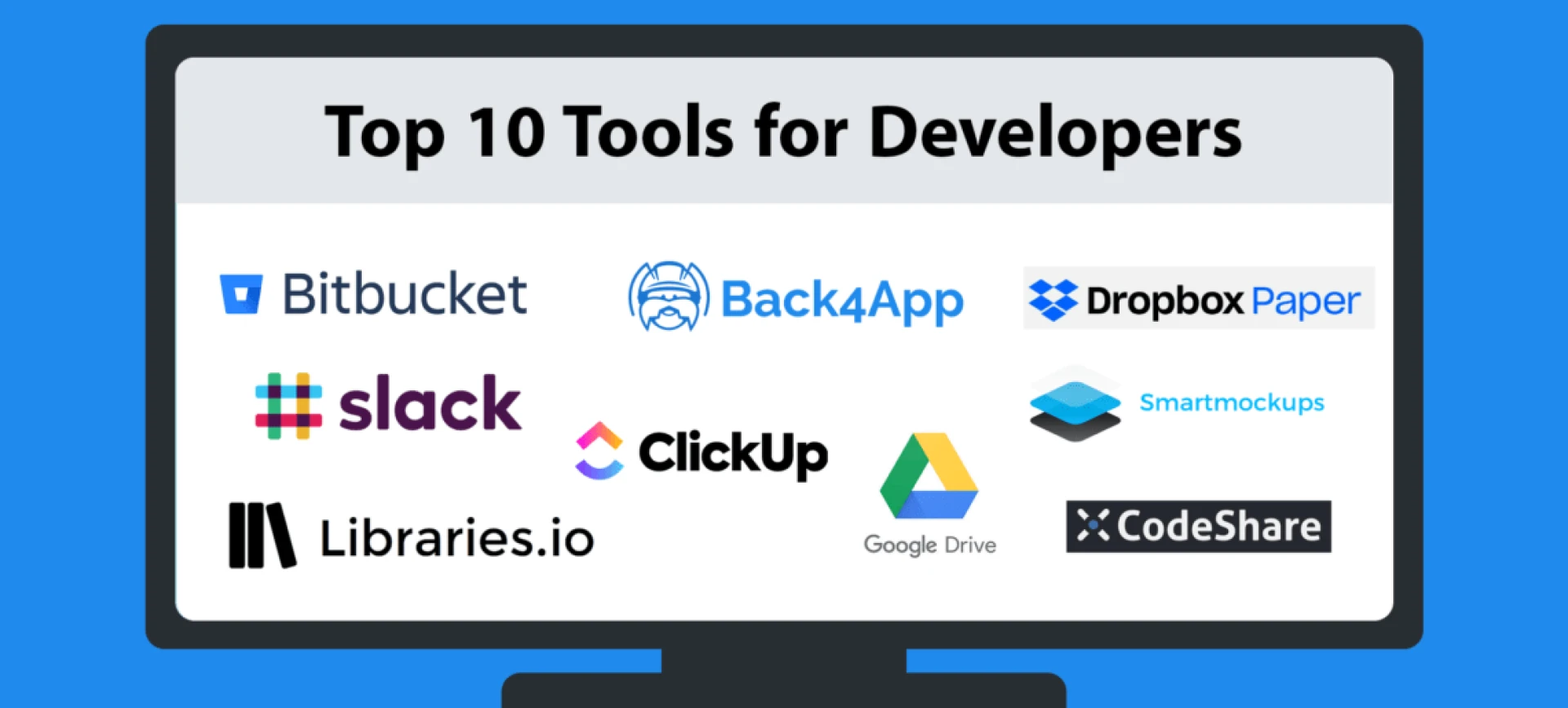
To effectively manage software projects, developers can utilize project management and collaboration tools. Platforms like Jira, Trello, and Asana offer features such as task tracking, issue management, and team communication, streamlining project workflows. These tools enable teams to collaborate, prioritize tasks, and monitor progress, ensuring projects are delivered on time.
Conclusion:
As software development continues to evolve, staying updated with essential tools is crucial for success. Project-based learning allows developers to apply their knowledge to real-world scenarios, fostering practical skills and problem-solving abilities. Additionally, the emerging pay-after-placement program provides an alternative path for aspiring developers to learn, gain experience, and secure employment. By leveraging these tools and programs, modern software developers can enhance their productivity, collaborate effectively, and deliver high-quality software solutions.








Sign in to leave a comment.