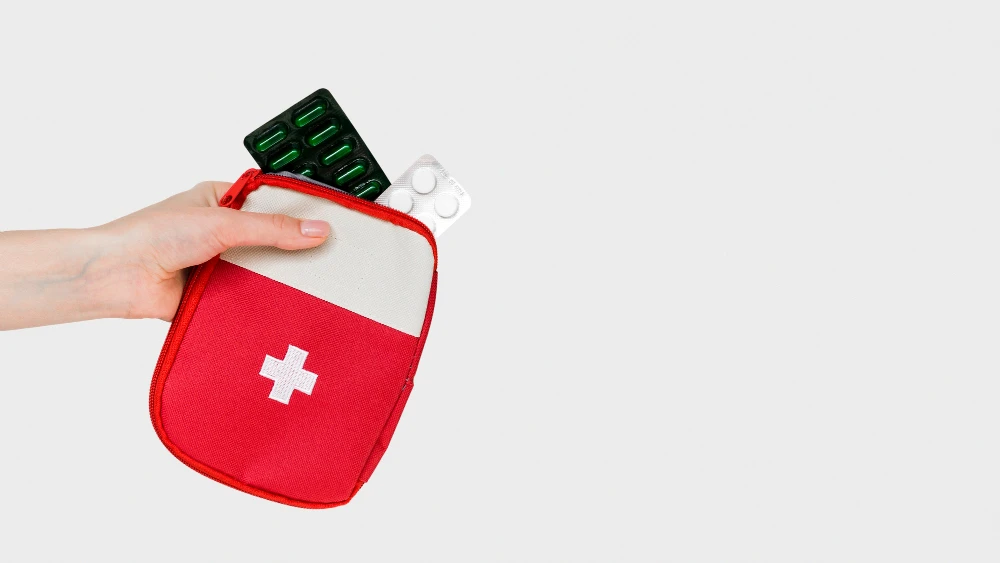

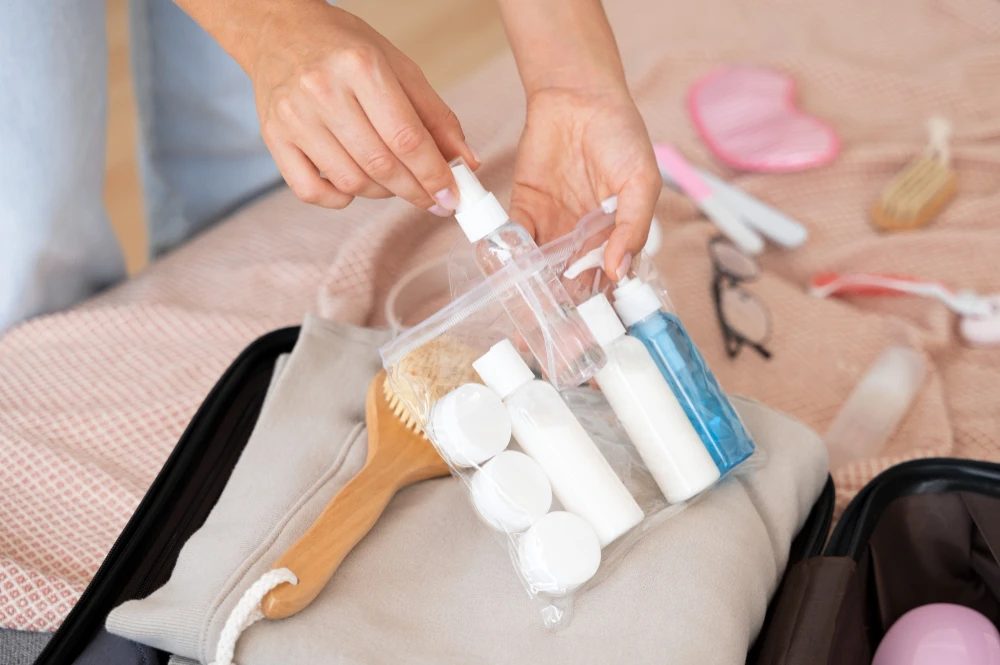
Traveling is one of life’s greatest pleasures, but it can come with unexpected discomforts and minor medical issues. Whether you're soaring through the skies on a long-haul flight or navigating scenic highways on a road trip, being prepared with a well-stocked travel medicine kit is essential. Minor illnesses, sudden aches, or even injuries can disrupt your plans if you're not equipped to handle them on the go. A thoughtfully packed kit ensures that you're ready to manage minor health concerns without scrambling to find a pharmacy in unfamiliar territory.
Core Medications for Every Travel Medicine Kit
Building the foundation of your travel medicine kit starts with including over-the-counter medications that address common ailments. These medications can make the difference between a tolerable journey and a miserable one, especially when access to healthcare is limited during transit.
Pain and Fever Relief
Long flights, cramped seating, and jet lag often result in headaches, body aches, or even mild fevers. It’s important to include pain relievers such as acetaminophen or ibuprofen. These are effective not just for managing pain but also for reducing inflammation or bringing down a fever. While these are generally considered safe, remember to pack them in clearly labeled containers and check dosages for all travelers, especially for children.
Digestive System Support
Changes in food, time zones, and routines can easily upset your stomach during travel. Antacids are useful for managing acid reflux or indigestion, especially when trying unfamiliar cuisines. Diarrhea can be common in areas where water quality or food hygiene is different from what you're used to, so carrying medications like loperamide is crucial. It’s also a good idea to include a mild laxative, as travel-induced constipation is more common than many realize. Managing digestive discomfort early on ensures it doesn't derail your plans.
Allergy and Reaction Management
Whether it’s airborne allergens in a new city or an unexpected food allergy, antihistamines are a must. Fast-acting options like cetirizine or loratadine can provide relief from sneezing, runny nose, and itchy eyes. In some cases, a mild allergic reaction from an insect bite or unfamiliar food might arise, and having oral antihistamines ready can prevent the situation from escalating. Topical relief in the form of hydrocortisone creams or calamine lotion also comes in handy for managing localized skin irritation.
First Aid Essentials to Handle Minor Injuries
Travel exposes you to new environments and physical activities, increasing the chances of minor cuts, burns, and abrasions. That’s why your travel medicine kit should also function as a basic first aid station.
Bandages and Wound Dressings
When it comes to handling small injuries, bandages of various sizes are invaluable. From small adhesive band-aids for finger cuts to larger gauze pads for scrapes or burns, having the right materials to clean, cover, and protect wounds is critical. Medical tape helps secure dressings in place, especially during long days of walking or activity. These basic items often go unused at home but become essentials once you’re away from civilization or access to medical help.
Antiseptic Supplies and Wound Care
Cleanliness is essential when treating cuts or abrasions. Antiseptic wipes are easy to use and effective at quickly disinfecting wounds. Liquid antiseptics such as iodine or hydrogen peroxide can further clean deeper cuts, although they should be used with care. After cleaning, applying an antibiotic ointment helps prevent infection, especially in humid or dusty conditions where wounds can easily get irritated.
Small Utility Tools
Tweezers are useful for removing splinters, ticks, or glass, and a small pair of travel scissors can be used to trim gauze, tape, or clothing around a wound. These tools might seem minor, but they can be vital in managing injuries more precisely. If flying, ensure that these tools comply with airline safety regulations and are packed appropriately in checked luggage when necessary.
Comfort and Preventative Care on the Go
Comfort during travel is more than a luxury it contributes to your physical well-being and emotional state. A good travel medicine kit should also prepare you to prevent issues before they arise.
Managing Motion Sickness
For many travelers, especially on long winding roads or turbulent flights, motion sickness is a recurring issue. Medications like Dramamine or meclizine are reliable options for nausea prevention. For those seeking non-pharmaceutical solutions, ginger tablets are a natural alternative and have shown effectiveness in reducing nausea symptoms. Acupressure wristbands are also a popular option, especially for children and travelers who prefer drug-free methods.
Staying Hydrated and Energized
Hydration is often overlooked during travel, yet dehydration can lead to fatigue, headaches, and even fainting. Long flights in dry cabins or extended road trips without adequate water breaks can contribute to this issue. Including oral rehydration salts or electrolyte powders in your kit helps restore the body's salt balance, especially after vomiting, diarrhea, or heavy sweating. A reusable water bottle with a built-in filter can also be a game-changer, ensuring you have access to clean drinking water at all times.
Skin and Eye Protection
Environmental changes can cause dry eyes and irritated skin, especially when moving between climates. Carrying artificial tears helps with dry or red eyes, especially during flights where air circulation is poor. Lip balm with SPF prevents chapped lips, while moisturizing cream or aloe gel can soothe sunburns or dry skin after a day outdoors. Even small items like these greatly enhance your overall comfort during a trip.
Special Considerations: Pediatric Kit and Personal Prescriptions
Traveling with children or individuals with chronic medical conditions requires additional preparation. A standard kit may not suffice, and tailoring your kit to individual needs is vital.
Pediatric Kit for Child-Specific Needs
A Pediatric Kit goes beyond scaled-down versions of adult medications. It should include liquid forms of pain relievers, fever reducers, and antihistamines appropriate for your child’s age. Thermometers are essential, and a digital one is ideal for quick and accurate readings. Items such as oral rehydration salts made for children and teething gels (when applicable) can prevent discomfort and panic. Familiar items like cartoon-themed band-aids can also help ease fear during minor injuries.
Prescription Medications and Schedules
If you or your companions require daily medications, it's crucial to plan for the entire duration of the trip plus extra days in case of delays. All prescription medications should be packed in their original containers with clear labeling. If you are traveling across time zones, consult your doctor about adjusting dosing schedules. Always carry prescriptions and doctor’s notes, especially for medications like insulin or epinephrine that may require explanation at security checkpoints.
Emergency Documentation and Contact Information
In a medical emergency, having quick access to health records and insurance details is important. Keep a folder with printed and digital copies of medical history, allergy information, and travel insurance. If traveling internationally, include contact details for local embassies and medical facilities in your destination country. These documents can help healthcare providers offer better, faster care in urgent situations.
Conclusion
No matter how well you plan your trip, the unexpected can always occur. Equipping yourself with a comprehensive travel medicine kit allows you to manage minor issues independently and prevents unnecessary disruptions. From handling motion sickness to treating scraped knees or calming a child’s fever, your kit can be the unsung hero of your journey.
Particularly when traveling with children, a dedicated Pediatric Kit is a game-changer. It ensures that you’re ready to handle your child's specific health needs with ease and confidence, reducing anxiety for both the parent and the child.
When you're preparing for your next adventure, don’t leave your health to chance. Companies like ReadyMed Healthcare offer pre-assembled travel kits that take the guesswork out of packing and allow you to travel smart. Because when it comes to your well-being, being proactive is the best travel plan you can make.


























Sign in to leave a comment.