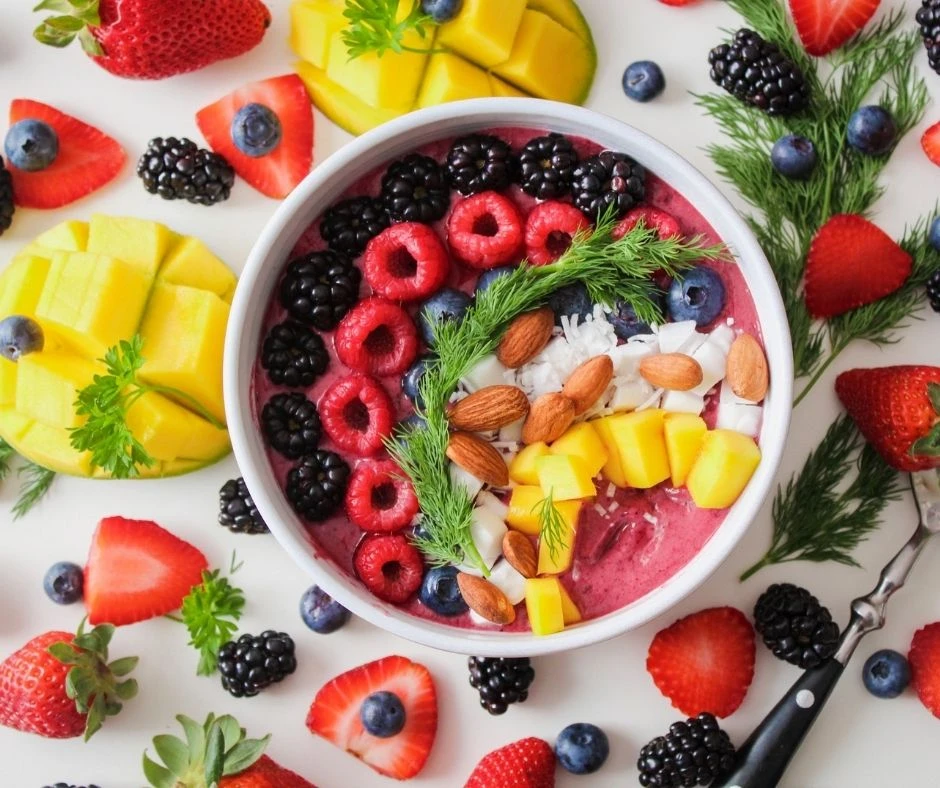

When it comes to setting people's expectations about the expected taste and flavor of food and drink, color is the single most important product-intrinsic sensory signal. A substantial amount of laboratory research has shown that changing the hue or intensity/saturation of the color of food and beverage items can have a frequently dramatic effect on consumer expectations, and as such on subsequent experiences. However, if the color does not match the flavor, the outcome could be a negative valanced expectation perception. Food colors can have a wide range of connotations and, as a result, varied expectations in different age groups, not to mention different cultures.
Psychological effects of food color: setting sensory expectations
Taste/flavor intensity
It would seem natural to infer that meals with more vibrant colors are likely to have more intense flavors, regardless of where one is in the world. Consumers are also likely to have picked up on this statistical regularity in the environment and will therefore expect more intensely colored foods and beverages to have a more strong taste/flavor. If such expectations aren't satisfied, a disconfirmation of expectation response with a negative valence is likely to occur. A vast body of laboratory study over the last 50 years or so has shown that adding more color to a food, or more frequently, to a beverage, causes participants in laboratory studies to assess the taste and/or flavor as more intense.
Flavor identityThe effect of food coloring on people's ability to identify the flavor of food or, more typically, drink is perhaps the most well-documented. Food coloring tainted participants' perceptions of the identity of a cherry-flavored fluid, according to previous study. For example, when the cherry-flavored fluid was colored orange, approximately 20% of the participants in this study indicated that the drink tasted like orange, although no such responses were noted when the same drink was colored red, green, or remained colorless. However, turning the identical drink green elicited 26% lime-flavored reactions, compared to none when the drink was cultured red or orange.
Psychological effects of food color on behavior
It's vital to remember that food coloring's psychological effects aren't limited to the sensory-discriminative domain. Food coloring has long been thought to have the ability to influence our eating habits. Getting the color just right can definitely help with meal acceptability. Color can have a significant impact on a customer's emotive expectations.
Artificial/natural
Despite being regarded as safe and tasteless, there have been persistent concerns stated over the years regarding the detrimental health and well-being repercussions that are reportedly related with the intake of certain artificial food colorants. As a result, some consumers have begun to seek out foods that are color-free. However, such items usually do not have a pleasant flavor.
Marketing color
Food coloring or changing the color of a food or beverage has long been employed as a marketing strategy. In fact, according to an informal store, food color was employed to communicate flavor in 97 percent of all food brands shown. Food color is utilized in marketing for a variety of purposes, including improving shelf appeal and blurring the lines between different goods.
Bottom-up or top-down influences of color
Whether color has a more ‘bottom-up' or a more ‘top-down' psychological impact on flavor perception. On the one hand, it is self-evident that even when people are aware that the color they are seeing is unsuitable and should be avoided, it has an instinctual impact on their perception. These findings point to a bottom-up explanation for at least some of color's cross-modal influence on taste and flavor perception. Of course, the existence of such bottom-up impacts should not be interpreted as a negation of the importance of top-down influences.
Conclusion
Given the practical constraints of delivering flavors while a subject is in a brain scanner, it's maybe not surprising that there hasn't been much neuroimaging study on the effect of color on flavor perception. Whether or not more neuroimaging is required, it is evident that more study is required to build a better understanding of the psychological mechanisms underpinning the varied effects of color on our perception of and behavior toward food.









Sign in to leave a comment.