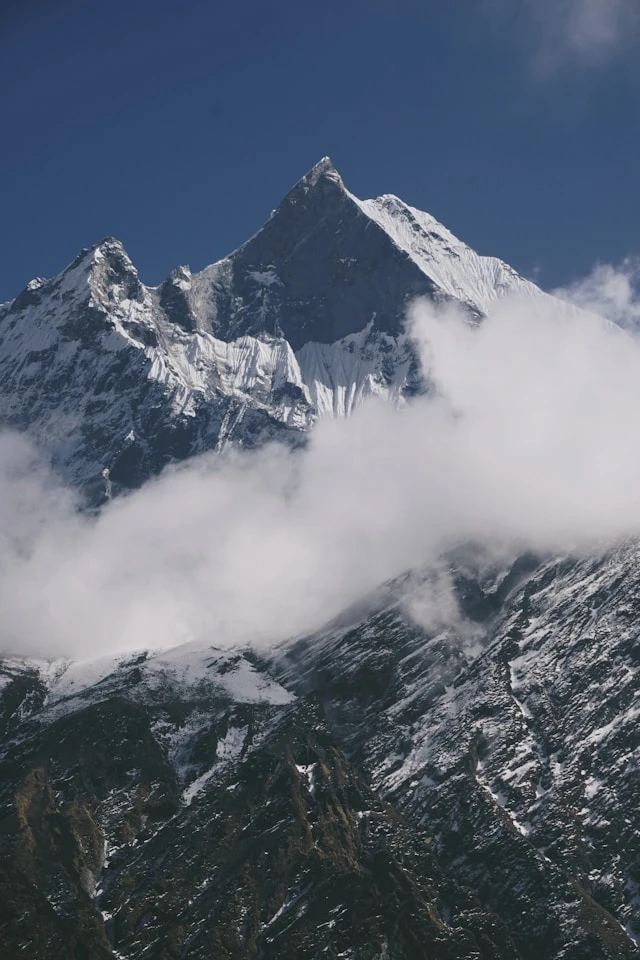

One of Nepal's most thrilling treks, the Everest High Pass Trek (sometimes called the Everest Three Passes Trek) provides an unmatched trip through the heart of the Khumbu region. This trek challenges you to ascend Kongma La, Cho La, and Renjo La, three high-altitude passes, in addition to the famous Everest Base Camp. This thorough guide to this incredible route has been updated for prospective hikers in 2025.
Overview of the Trek
The Everest High Pass Trek is considered one of the toughest trekking routes in the Everest region due to its high passes, each over 5,000 meters. It's a circular trek that combines the highlights of the Everest Base Camp with the less-traveled, more demanding routes, providing a richer, more comprehensive experience of the area's landscape, culture, and biodiversity. This trek typically takes around 17 to 21 days, depending on the pace and acclimatization needs.
The Path:
Day 1: Get to Kathmandu, get your gear together, obtain your permits, and get ready for the hike.
Day 2: Fly to Lukla, Trek to Phakding: Begin your journey by taking a plane to Lukla, then making your way downhill to Phakding.
Day 3: Phakding to Namche Bazaar: Enter Sagarmatha National Park by crossing the Dudh Koshi River several times, then ascend to Namche Bazaar.
Day 4: Acclimatization at Namche Bazaar: Take in the first panoramic glimpse of Everest while hiking to the Everest glimpse Hotel, exploring the Sherpa capital and visiting the museum.
Day 5: Namche to Thame: Take a less-traveled road instead of the traditional EBC route to Thame.
Day 6: Thame to Lungden: Start climbing in the direction of the first pass, getting used to the slower paths.
Day 7: Cross Renjo La Pass to Gokyo: Travel 5,360 meters across Renjo La to arrive in the stunning Gokyo Valley.
Day 8: Explore Gokyo and hike Gokyo Ri: This day serves as an acclimatization day and includes a hike to Gokyo Ri, which offers breathtaking views of Everest and Cho Oyu.
Day 9: Gokyo to Thangnak: Trek alongside the Ngozumpa Glacier to get ready for the next pass.
Day 10: Travel to Dzongla via Cho La Pass: Crossing Cho La Pass (5,420m) was a difficult day, but the rewards were breathtaking views.
Day 11: Dzongla to Lobuche: Return to the old EBC route and follow the Khumbu Glacier to Lobuche.
Day 12: Gorakshep by Lobuche and See Everest Base Camp: Trek to Gorakshep, then to Everest Base Camp, and finally spend the night back in Gorakshep.
Day 13: Travel from Gorakshep to Kala Patthar to Lobuche: Climb Kala Patthar to see Everest at sunrise, then descend to Lobuche.
Day 14: Cross Kongma La Pass to Chhukung: The less-traveled Chhukung Valley is reached by crossing Kongma La (5,535m), the last pass.
Day 15–17: Chhukung to Namche to Lukla: Make your way back to Lukla gradually through Namche Bazaar and Dingboche.
Day 18: Return to Kathmandu by plane.
Highlights of Culture and Nature
Sherpa Culture: By traveling through communities like Thame, Gokyo, and Dingboche, the journey offers a deep dive into Sherpa culture, religion, and daily life.
Magnificent Views: Every pass offers a different perspective of the highest peaks in the world, such as Makalu, Lhotse, and Everest. The calm, azure waters of the Gokyo Lakes enhance the natural beauty.
Wildlife: You may see the uncommon Snow Leopard, musk deer, or the elusive Himalayan tahr at Sagarmatha National Park.
Current Updates for 2025:
Permits: A TIMS card and an entry permit to Sagarmatha National Park are needed for the trek. The permit fees have not changed, but be sure to check for any last-minute changes.
Accommodations: The lodges along this route are simple, though Gokyo and Namche have some better options. But the hike includes camping at high elevations without teahouses.
Safety and Environmental Considerations: Sustainability and safety are becoming more and more important. The "leave no trace" philosophy is promoted for hikers, and guides have received improved emergency response training.
Weather and Climate: Planning must be flexible because weather patterns may become less predictable due to climate change.
The Ideal Time to Go Trekking
For clear skies and comfortable temperatures, spring (March–May) and fall (September–November) are the best seasons. With rhododendrons in flower in the spring and the best mountain views in the fall, both seasons provide unique experiences.
Tips & Preparation:
Fitness: This hike requires a high level of physical fitness. Strength training, aerobics, and trekking on a regular basis are recommended.
Equipment: Bring warm clothes, sturdy trekking boots, a suitable sleeping bag, and climbing equipment (ice axe, crampons) for the passes.
Acclimatization: Because of the high heights involved, proper acclimatization is essential. Acclimatization days are included in the schedule, but pay attention to your body.
Guide: It is advised to hire an experienced guide due to the difficulties of the walk.
In conclusion
In addition to being an endurance test and a voyage through some of the most breathtaking scenery on earth, the Everest High Pass Trek gives hikers a close bond with the Himalayas. This trek is a monument to the human spirit and the breathtaking majesty of Nepal, combining adventure, culture, and natural beauty. The Three Passes Trek delivers lifelong memories, regardless of whether you're an experienced hiker or looking for your next big adventure.






















Sign in to leave a comment.