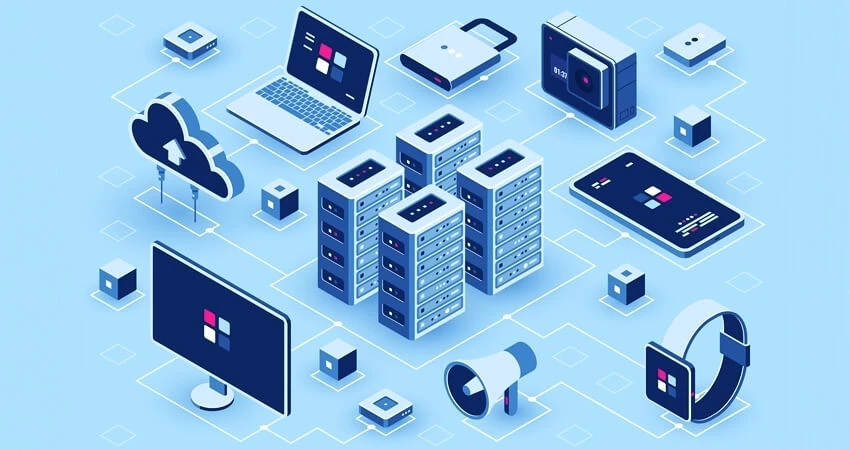

Efficient commercial conduct is impossible without ample amounts of data being analyzed by a pair of competent hands. Big data is a collection of all kinds of data from various genres and with diverse dimensionality. Big data architecture refers to the collection of technologies, paradigms, and frameworks that enable the storage, processing, and analysis of large and complex datasets. A functional architecture enables an analyst to perform the necessary assignments with absolute ease. Having access to all kinds of necessary resources on tap!
In this article, we will discuss the importance of big data in 2023, the technologies that form an architecture, and the role of a business analyst in leveraging this enormous system.
The Importance of Big Data in 2023:
Big data has become a game-changer in the business world, and its importance is set to grow in the coming years. In 2023, big data will be critical in enabling businesses to gain valuable insights into their operations, customers, and competitors. With the help of big data, companies can streamline their operations, optimize their supply chains, and improve customer experience.
One of the most significant advantages of big data is its ability to identify patterns and trends that are not visible through traditional data analysis techniques. By analyzing vast amounts of data from multiple sources, big data can uncover hidden patterns and insights that can help businesses make informed decisions.
In addition to this, big data can help businesses to gain a competitive advantage by enabling them to respond quickly to market changes. By analyzing real-time data, businesses can make timely decisions and adapt their strategies to changing market conditions.
Technologies that Form Big Data Architecture:
Handling big data requires a complex system that includes multiple technologies and frameworks.
Data Sources: Data sources are the foundation of big data processing architecture. They include both structured and unstructured data from various sources such as social media, customer feedback, sensors, and more. Data Ingestion: Data ingestion refers to the process of collecting and storing data from various sources. Technologies such as Apache Kafka, Apache Flume, and AWS Kinesis are used for data ingestion. Data Storage: Big data requires large-scale storage capabilities. Hadoop Distributed File System (HDFS), Amazon S3, and Apache Cassandra are some of the technologies used for data storage. Data Processing: Data processing is a process that includes analyzing and transforming large amounts of data. Technologies such as Apache Spark, Apache Flink, and Apache Beam are deployed for data processing. Data Analytics: Data analytics involves the process of analyzing and extracting insights from data. For extensive analysis, technologies such as Apache Hadoop, Apache Hive, and Apache Pig are used. Data Visualization: Data visualization is presenting data in a visually appealing way, and in a lucid form, comprehensible by anyone involved. Technologies such as Tableau, QlikView, and Power BI are used for data visualization.The relevance
As businesses increasingly rely on big data to make critical decisions, it is essential to be aware of big data architecture. Understanding the different technologies and frameworks that can help businesses to make informed decisions about which tools and technologies to use for their specific needs.
Being able to wield the capability to handle big data, and maintaining the same in a functional state can be a blessing. With a functional big data ecosystem up and running. Businesses can secure, process, and harness their data at will. So, the decisions can be precise and blessed with an aptitude for data-driven decision-making.
The Role of a Business Analyst
A business analyst plays a crucial role in leveraging this architecture. They are responsible for identifying business requirements, analyzing data, and providing insights to support decision-making processes.
A business analyst must have a solid understanding of big data architecture and the different technologies and frameworks that form it. They must also possess strong analytical and problem-solving skills to analyze large amounts of data. So that essential insights can be presented to the involved parties with maximum clarity. And they can work or invest as per the employer's expectations.





























Sign in to leave a comment.