

For foreign nationals selling property in the United States, FIRPTA can come as an unexpected complication. The Foreign Investment in Real Property Tax Act (FIRPTA) mandates that buyers withhold a portion of the sale proceeds when purchasing from a foreign seller. While this law aims to ensure tax compliance, many sellers are unaware that they may be eligible for a FIRPTA withholding refund—often involving a large sum of money.
Understanding how the FIRPTA withholding process works and what steps are required to recover the withheld funds can make a significant difference for foreign investors. Here's a comprehensive breakdown to help sellers reclaim what’s rightfully theirs.
What is FIRPTA and Why is it Important?
FIRPTA is a U.S. tax law enacted to ensure that foreign sellers pay capital gains taxes on U.S. real estate sales. Since the IRS cannot easily pursue non-U.S. residents after a property transaction, FIRPTA shifts the tax collection responsibility to the buyer. This results in a withholding requirement at the time of sale.
Typically, the buyer must withhold 15% of the gross sale price, not just the gain. This withheld amount is then submitted to the IRS as a prepayment of potential taxes owed by the foreign seller.
For example, if a property is sold for $500,000, the buyer is required to withhold and submit $75,000 to the IRS, even if the actual gain is far less or there is no gain at all. This can create a massive cash flow issue for sellers, especially when funds are needed for reinvestment or other purposes.
What is a FIRPTA Withholding Refund?
A FIRPTA withholding refund is the return of the excess funds withheld by the IRS after the actual tax liability is calculated. The withholding is not a final tax—it’s an estimated amount. In many cases, especially when the seller makes little to no profit or qualifies for deductions, the tax owed is less than 15% of the gross sales price. When that happens, the seller can claim a refund from the IRS for the overpaid amount.
Refunds can also result if the property was sold at a loss or the seller qualifies for treaty benefits that reduce the U.S. tax liability. The key to getting that money back lies in filing a proper U.S. tax return or applying for a withholding certificate.
How to Claim a FIRPTA Refund?
There are two primary ways a foreign seller can attempt to recover overpaid withholding:
Filing a U.S. Tax Return
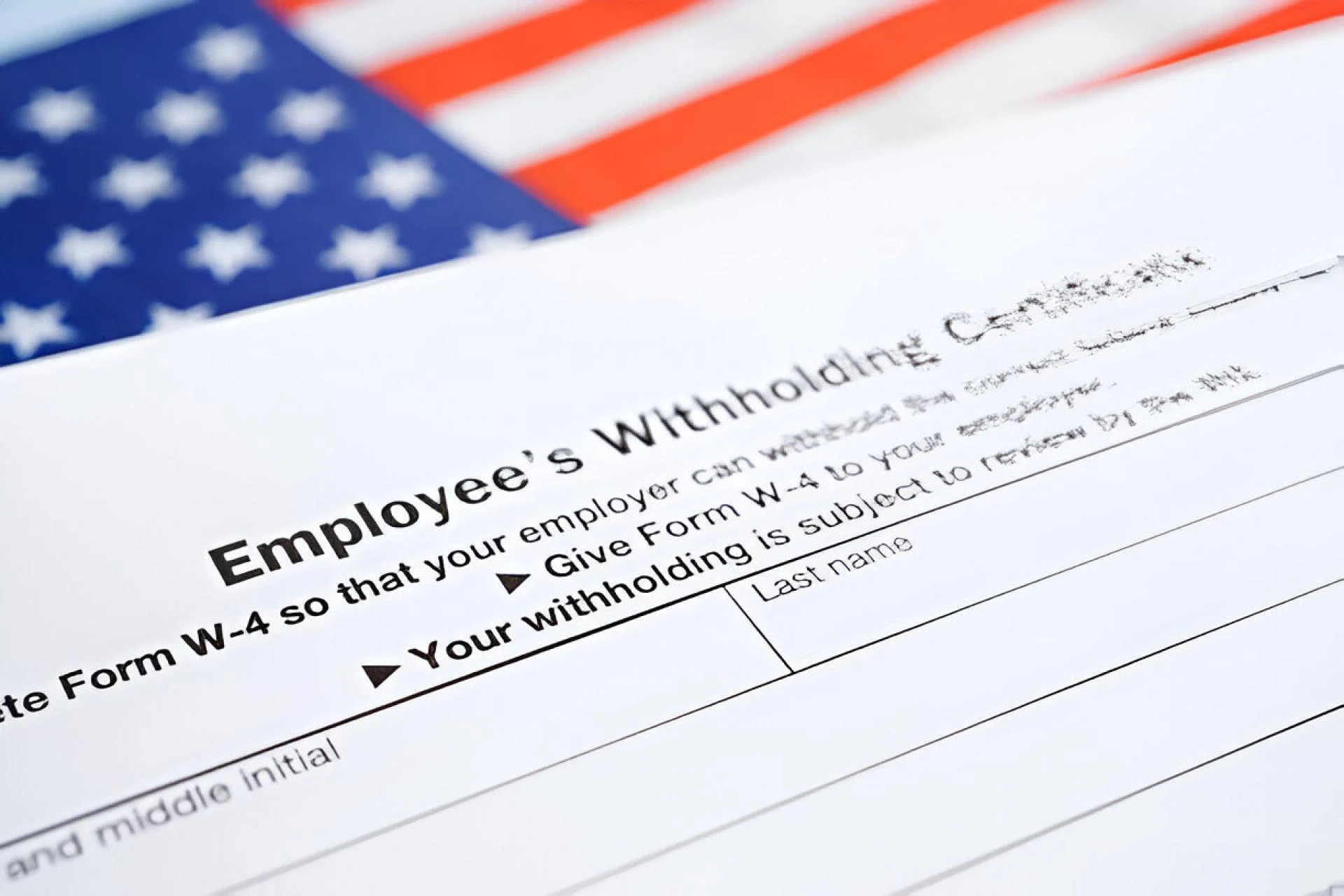
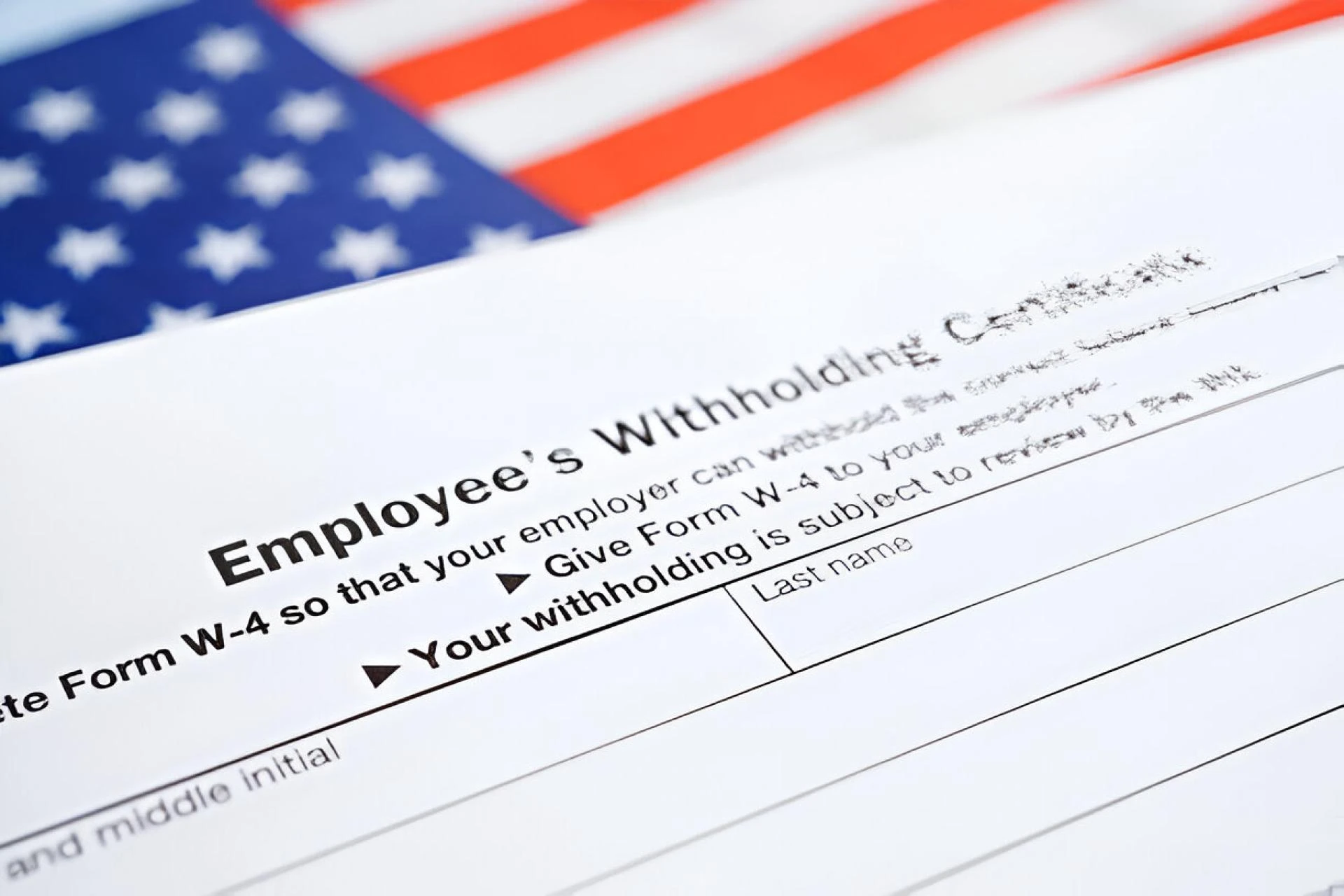
After the sale, the foreign seller must file a U.S. tax return (Form 1040-NR for individuals or 1120-F for entities) to report the transaction and calculate the actual tax owed. This process includes:
● Applying for or using an existing Individual Taxpayer Identification Number (ITIN)
● Submitting IRS Form 8288-A (provided by the buyer)
● Reporting the capital gain or loss from the sale
● Calculating the true tax liability and requesting a refund of the excess withheld
This is the most common method and is typically used when the full withholding amount has already been remitted to the IRS.
Applying for a Withholding Certificate (Before Sale Closes)
In certain scenarios, a seller may apply for a reduced withholding amount before the sale closes. If granted, this certificate instructs the buyer to withhold less than 15%, which means the seller receives more proceeds upfront. This approach can be helpful in preventing cash flow disruptions.
However, this process must be initiated early and supported with solid documentation. Approval may take up to 90 days, so timing is crucial.
Required Documentation
To pursue a refund or apply for a withholding certificate, the seller will typically need:
● Valid ITIN
● Copy of the closing statement (HUD-1 or Settlement Statement)
● Form 8288-A (proof of withholding)
● Completed U.S. tax return
● Supporting documents for deductions or treaty claims, if applicable
Even one missing form or incorrect figure can delay the refund process for months, which is why many sellers opt to work with specialized tax professionals.
Timeline for Refund
Once the IRS receives a complete and accurate tax return, processing and issuing the refund can take anywhere between 90 to 180 days, depending on the IRS workload and any potential issues. For withholding certificates, decisions can take up to 90 days, but it’s important to note that the buyer may still need to escrow funds until approval is received.
Delays can happen due to missing ITINs, incorrect filing, or unverified withholding amounts—another reason why expert help is recommended.
Why Work With FIRPTA Experts?
Recovering your FIRPTA withholding refund isn’t as simple as filing a basic tax return. There are strict timelines, complex forms, and ever-changing IRS policies. A small mistake can result in lost money or delayed refunds.
That’s where professional firms like Firpta Tax Returns come in. Their dedicated team has extensive experience in handling FIRPTA cases, from ITIN applications to withholding certificate requests and post-sale refund filings. They understand the nuances of FIRPTA and know exactly how to prepare accurate, IRS-compliant documentation.
Working with specialists doesn’t just save time—it can also prevent the loss of thousands of dollars in withheld funds. So, looking for help with your refund or future transaction? Trust the professionals to handle your firpta withholding and refund process with accuracy, speed, and peace of mind.























Sign in to leave a comment.