

Starting orthodontic treatment is an important step toward achieving a healthier and more attractive smile. Many individuals have questions about the process, benefits, and expectations before committing to treatment. Understanding how braces work and what patients can expect throughout their orthodontic journey can help reduce uncertainty and build confidence. Braces have been used successfully for decades to correct alignment concerns, improve bite function, and support better oral health. Learning the basics before treatment begins allows patients to prepare for a positive and successful orthodontic experience.
Understanding the Purpose of Braces
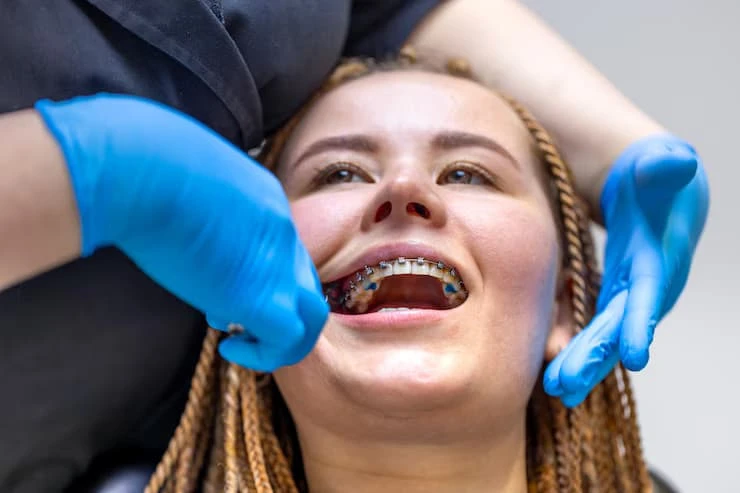
Braces are orthodontic appliances designed to gradually move teeth into their ideal positions. They are commonly used to correct crowded teeth, gaps, bite problems, and other alignment issues that may affect both appearance and function. Properly aligned teeth contribute to better oral health and can improve overall comfort during daily activities such as chewing and speaking.
Improving Smile Appearance
One of the most common reasons patients choose orthodontic treatment is to achieve a straighter smile. Teeth that are properly aligned often create a more balanced and attractive appearance. Many patients find that improving their smile helps increase self confidence and encourages them to feel more comfortable in social and professional situations.
Supporting Better Oral Health
Beyond cosmetic benefits, orthodontic treatment can contribute significantly to oral health. Misaligned teeth may be more difficult to clean effectively, increasing the risk of plaque buildup and gum concerns. By improving alignment, braces help create conditions that support healthier teeth and gums over the long term.
How Braces Work
Braces use controlled pressure to gradually move teeth into better positions over time. The treatment process is carefully planned and monitored to ensure safe and effective results. Understanding how this process works helps patients appreciate the importance of consistency and patience throughout treatment.
Gentle and Gradual Tooth Movement
Orthodontic treatment does not produce immediate changes. Instead, braces apply steady pressure that encourages teeth to shift gradually. This slow movement allows the surrounding bone and tissues to adapt naturally while minimizing discomfort. The gradual nature of treatment is one of the key factors that contributes to long lasting results.
Regular Adjustments and Monitoring
Throughout treatment, patients attend periodic appointments to evaluate progress and make necessary adjustments. These visits help ensure that teeth continue moving according to the treatment plan. Regular monitoring allows orthodontic professionals to address any concerns and maintain steady progress toward the desired outcome.
The Importance of an Initial Consultation
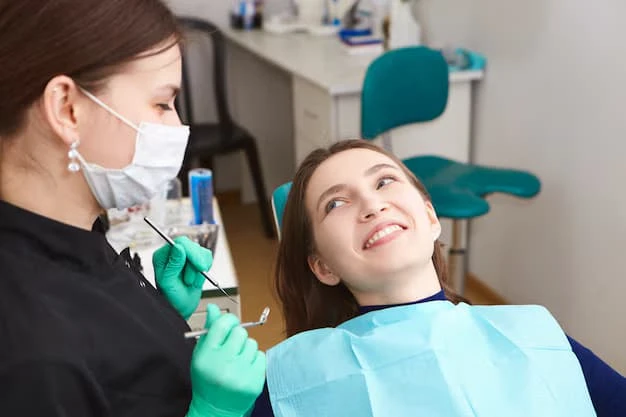
Before braces are placed, patients typically undergo a comprehensive orthodontic evaluation. This consultation helps determine the most appropriate treatment approach based on individual needs and goals.
Comprehensive Examination Process
During the initial evaluation, orthodontic professionals examine the teeth, bite, and jaw structure. Digital images, photographs, and other diagnostic tools may be used to gather detailed information about the patient's oral condition. This assessment provides the foundation for a personalized treatment plan.
Establishing Treatment Goals
Every patient has unique reasons for seeking orthodontic care. Some want to improve appearance, while others seek solutions for functional concerns. The consultation provides an opportunity to discuss these goals and develop a treatment strategy that aligns with the patient's expectations and needs.
Common Orthodontic Issues Braces Can Correct
Braces are highly versatile and capable of addressing a wide variety of orthodontic concerns. Their effectiveness makes them one of the most widely recommended treatment options available today.
Crowded and Crooked Teeth
Crowding occurs when there is insufficient space for teeth to align properly. Crooked teeth may affect appearance and make oral hygiene more difficult. Braces help reposition teeth to create a more organized and balanced smile while supporting healthier oral care habits.
Bite Alignment Problems
Bite issues occur when the upper and lower teeth do not fit together correctly. Conditions such as overbites, underbites, and crossbites can affect chewing efficiency and overall comfort. Braces gradually correct these concerns, helping improve both function and appearance.
What to Expect During Treatment
Patients often feel more comfortable when they know what to expect before treatment begins. Understanding daily responsibilities and routine care requirements can help create a smoother orthodontic experience.
Adapting to Orthodontic Appliances
It is normal for patients to experience a brief adjustment period after braces are placed. Teeth may feel slightly sensitive as they begin to move, but this sensation typically improves over time. Most individuals adapt quickly and continue their normal activities with minimal disruption.
Maintaining Good Oral Hygiene
Proper oral hygiene is especially important during orthodontic treatment. Patients should brush and floss carefully to remove plaque and food particles around the braces. Consistent oral care helps keep teeth and gums healthy while supporting successful treatment outcomes.
Benefits Beyond a Straighter Smile
Orthodontic treatment provides advantages that extend beyond cosmetic improvements. Many patients experience lasting health and functional benefits that continue long after treatment has been completed.
Improved Chewing and Speaking
Proper tooth alignment can enhance the way the teeth function during everyday activities. Improved bite relationships often support more efficient chewing and may contribute to clearer speech. These functional benefits can positively affect daily comfort and quality of life.
Increased Confidence and Self Esteem
A well aligned smile often helps individuals feel more confident about their appearance. Many patients report feeling more comfortable smiling, speaking, and interacting with others after treatment. This increased confidence can have a meaningful impact on both personal and professional experiences.
The Importance of Following Treatment Recommendations
Successful orthodontic treatment requires active participation from the patient. Following professional instructions helps ensure that treatment remains on track and produces the desired results.
Attending Scheduled Appointments
Routine visits are an important part of the orthodontic process. These appointments allow orthodontic professionals to monitor progress and make adjustments as needed. Consistent attendance helps maintain treatment efficiency and supports successful outcomes.
Protecting Long Term Results
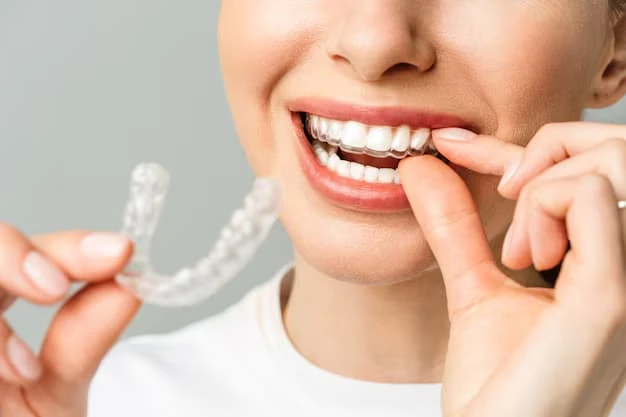
After braces are removed, retainers are often recommended to help maintain the new alignment. Wearing retainers as instructed helps prevent unwanted tooth movement and preserves the results achieved during treatment. Long term commitment to retention supports lasting smile improvements.
Final Thoughts
Understanding the basics of orthodontic treatment before getting braces can help patients feel more prepared and confident about the journey ahead. From improving alignment and oral health to enhancing confidence and bite function, braces offer numerous benefits that can positively impact daily life. Individuals interested in achieving a healthier and more attractive smile may consider consulting Textbook Orthodontics for professional guidance and comprehensive orthodontic care.



























Sign in to leave a comment.