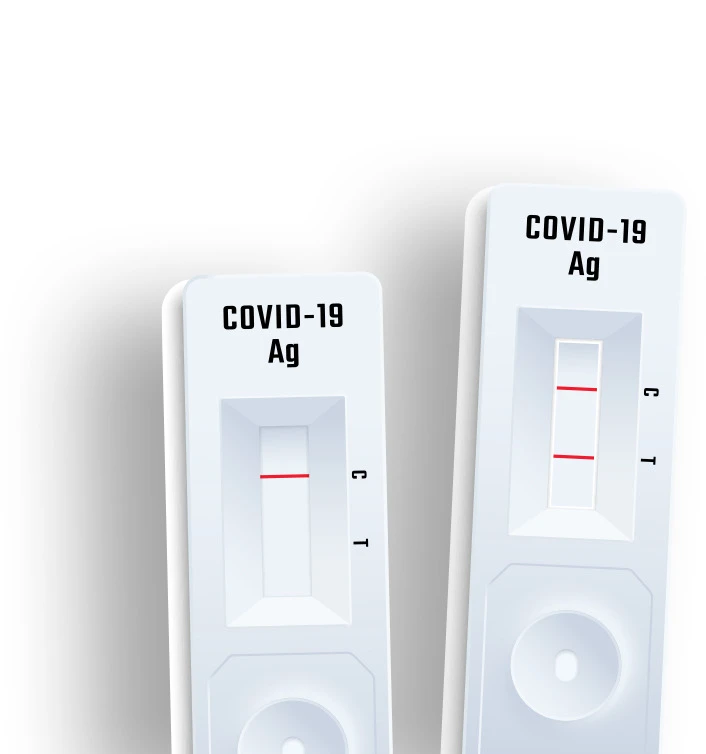

Are you a business looking to understand the basics of PCR tests or Polymerase Chain Reaction testing? Have employees had questions about how these tests work and why they're so important? If managing through an uncertain COVID-19 crisis has left you searching for answers regarding PCR tests, then this blog post is for you! In this comprehensive guide, we'll explain what PCR testing is all about – including how it's performed, the types of tools used for PCR tests in Chicago and worldwide, and also what PCR kits are available on the market today – and detail its use cases across various industries. Thus, this walkthrough will ensure that your business knows everything there is to know about PCR tests.
I. What Is PCR Testing?
PCR, or Polymerase Chain Reaction testing, is a laboratory test to detect the presence or absence of nucleic acid molecules (DNA or RNA) from viruses, bacteria, fungi, and other organisms. It's one of the most accurate tests for detecting viruses such as SARS-CoV-2, which causes COVID-19. PCR tests are usually performed in a laboratory setting, & the results are typically available within 24 to 48 hours.
II. How Does PCR Testing Work?
Here's a step-by-step process about how PCR tests work:
A sample is taken from the patient, usually a nose or throat swab. The sample is placed in a special solution containing enzymes and molecular probes called primers. The primers bind to specific regions of the virus's genetic material, amplifying them by the polymerase enzyme in the solution. The amplified material is then analyzed using various techniques, such as PCR sequencing or gel electrophoresis. Finally, the results are evaluated by trained technicians to determine if the virus is present in the sample or not.III. Types of Tools Used for PCR Tests
A variety of tools and instruments are used to perform PCR tests. These include:
- Thermal cyclers, which are special machines that heat and cool samples to facilitate the amplification process.
- Enzymes, which help to catalyze (or speed up) the reactions during PCR testing.
- Nucleic acid probes are used to detect the presence of target DNA or RNA molecules.
- Primers are short pieces of genetic material that bind to the target molecules and help facilitate their amplification.
Automated systems are becoming increasingly popular because they make it easier for laboratories to process large numbers of samples quickly.
IV. Available Kits on the Market Today
Various companies offer PCR test kits for both laboratory and point-of-care settings. These include:
- qPCR kits, which use a fluorescent dye to detect amplified DNA or RNA molecules
- RT-PCR kits, which detect viral RNA molecules
- Third-generation kits, which are more sensitive and thus able to detect very low levels of viral material
- Microfluidic chips use miniaturized PCR machines to perform tests faster and with fewer steps.
V. Use Cases Across Various Industries
PCR tests are also used in industries such as:
- Healthcare: PCR testing helps to diagnose and treat infectious diseases.
- Agriculture: PCR testing can identify harmful pathogens in food or crops.
- Forensic science: PCR tests identify genetic material from a crime scene.
- Environmental monitoring: PCR testing can detect pollutants in water or air samples.
VI. Advantages of PCR Tests
One of the main advantages of PCR testing is that it is highly accurate and sensitive, meaning it can detect even trace amounts of a virus. Here's a list of advantages of the PCR tests:
-Highly accurate and sensitive
-Relatively fast turnaround time compared to other tests
-Can detect different organisms (viruses, bacteria, fungi, etc.)
-Less expensive than other types of testing
-One can perform the test in a lab or on-site with the help of a kit
VII. Tips for Optimizing Your PCR Test Results
Here are some tips to ensure that your PCR tests in Chicago and other places results are accurate and reliable:
- Follow all instructions carefully when setting up the test, as even small mistakes can affect the accuracy of the results.
- Make sure to use certified reagents and enzymes. Many companies offer these products with certification documents detailing their quality standards.
- Use a high-quality thermal cycler to perform the reactions properly.
- Use optimized primers specifically designed for the target organism being tested.
- Store samples at the correct temperature and in a dark environment to preserve their integrity.
VIII. Conclusion: Understanding the Basics of PCR Tests
PCR tests have become increasingly important during the pandemic and are now used in various industries. Therefore, by understanding how these tests work and which kits are available today, businesses can ensure that their testing is accurate and reliable. Also, following the tips above will help optimize PCR test results for maximum accuracy. With this comprehensive guide to PCR tests, you should have everything you need to get started.














Sign in to leave a comment.