

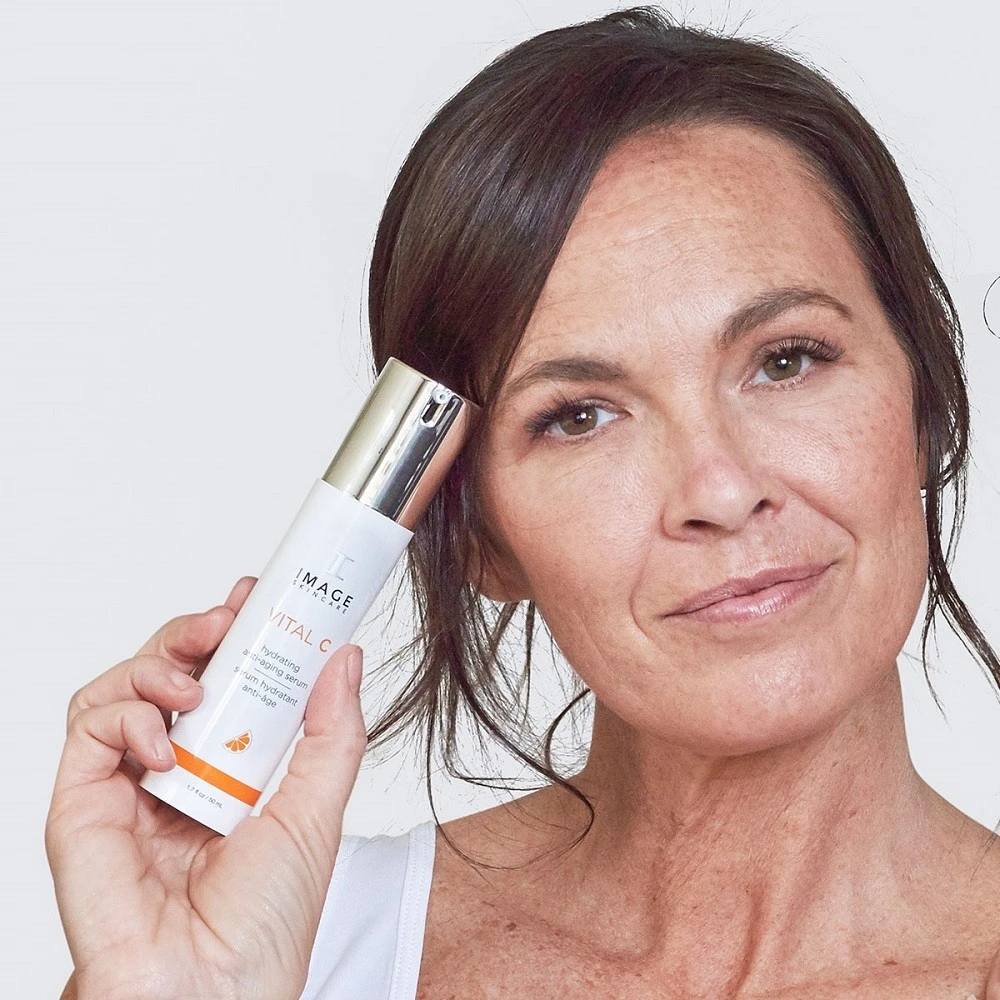
The delicate skin of the face and neck becomes more vulnerable to pigmentation problems as we age. As a result of sun exposure (UV rays), hormonal changes, pregnancy, and aging of the skin, dark spots and discoloration may appear. Brown spots and uneven patches gradually replace your smooth and even skin tone.
Pigmentation is commonly referred to as skin discoloration. All of us wish to maintain a youthful complexion and skin-perfect complexion, however, due to these spots we are unable to do so easily.
What’s pigmentation?
The term pigmentation refers to skin that appears darker rather than describing a condition. It can be :
Small patches Cover a wide areaThe entire body is affectedThe presence of increased pigmentation is usually not harmful, but it can also be a sign of another medical condition. The types of pigmentation, the causes, and the treatment are discussed in this article.
Types of pigmentation
Melasma, sunspots, and post-inflammatory pigmentation are some of the more common types of pigmentation.
Melasma. The development of melasma may be influenced by hormonal changes during pregnancy. Pigmentation can appear anywhere on the body, but it is most common on the stomach and face.Sunspots. Sunspots are also referred to as liver spots or solar lentigines. The condition is caused by excessive sun exposure over a long period of time. As a general rule, they appear as spots on areas that are exposed to the sun, such as the hands and face.Post-inflammatory pigmentation. Inflammation or injury to the skin causes this condition. Acne is a common cause of this condition.What are the symptoms and risk factors?
Pigmentation is characterized by darkened areas on the skin. It is possible for patches to appear anywhere on the body, and they can vary in size.
Sun exposure and inflammation are the two leading risk factors for pigmentation in general. In general, the more sun exposure you receive, the greater your risk of skin pigmentation.
There are a number of other risk factors for pigmented patches depending on the type of disorder:
The use of oral contraceptives or pregnancy can cause melasmaPigmentation changes are more likely to occur on darker skin typesIncreased sensitivity to sunlight caused by certain drugsAn injury to the skin, such as a wound or superficial burnHow does pigmentation occur?
It is common for pigmentation to be caused by an excess production of melanin. Skin color is determined by the pigment melanin. A melanocyte is a cell that produces melanin. There are several conditions and factors that can affect the production of melanin in the body.
There are certain medications that can cause pigmentation. It is also possible for some chemotherapy drugs to cause pigmentation as a side effect.
Women may experience different effects of pregnancy on their hormone levels and melanin production. Below are some of the causes of pigmentation.
Pigmentation after acne
Redness and swelling can be exacerbated by squeezing pimples. As a result, the skin and the tissues beneath are damaged. Skin care products that are not suitable for your skin can cause irritation. When these products are used excessively, they could be harsh on the skin and cause acne.
Age – Spots
Melanin is consistently produced by the skin when it ages and is exposed to environmental damages. Thus, age spots are very common among adults over the age of 50. Dark spots often appear on the skin of an individual who has been exposed to UV rays for an extended period of time.
Freckles
A freckle is a genetic condition that usually occurs at a young age. It may even begin to appear before one reaches the age of two. Age may cause its appearance to become more prominent.
Birth Control Pills
Yes, of course! This medication alters the hormones and disrupts the hormonal balance, resulting in melasma.
Not keen to go diet
You may experience skin discoloration if you do not consume certain nutrients in your diet. Hyperpigmentation can be caused by a lack of folic acid. The best sources of folic acid are leafy green vegetables, legumes, and fruits.
How do you know which skin care ingredients are worth your time and money? There is no need to feel alone. Discover which products are worth using or skipping.
Also read: 5 Benefits Of Hyaluronic Acid Serum For Your Skin & How To Use It
How is pigmentation diagnosed and treated?
The cause of your pigmentation can be determined by a dermatologist. You will be asked to provide your medical history and undergo a physical examination in order to determine the cause of your symptoms. A skin biopsy may be helpful in narrowing down the cause of the condition.
There are some cases of pigmentation that can be treated with topical prescription medication. As part of this medication, hydroquinone is usually present, which lightens the skin.
However, prolonged use of topical hydroquinone (without a break in use) may result in ochronosis, a darkening of the skin. Consequently, topical hydroquinone should only be used under the guidance of a dermatologist so that they can properly guide you on how to use it without creating any adverse reactions.
In addition to lightening dark spots on the skin, topical retinoids can also be used.
The lightening of darkened areas can take a few months with both of these medications.
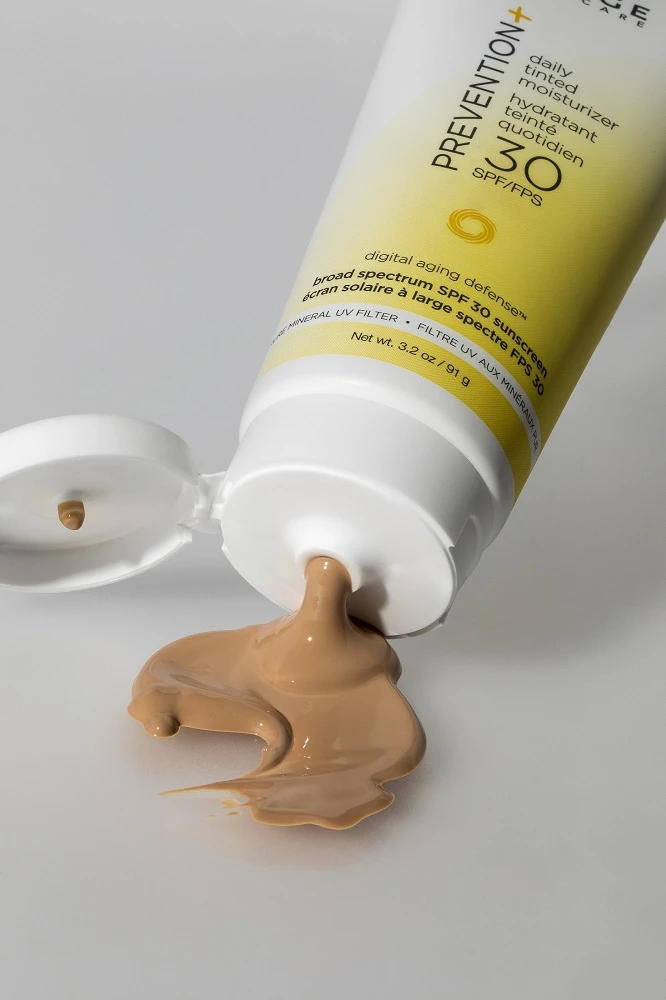
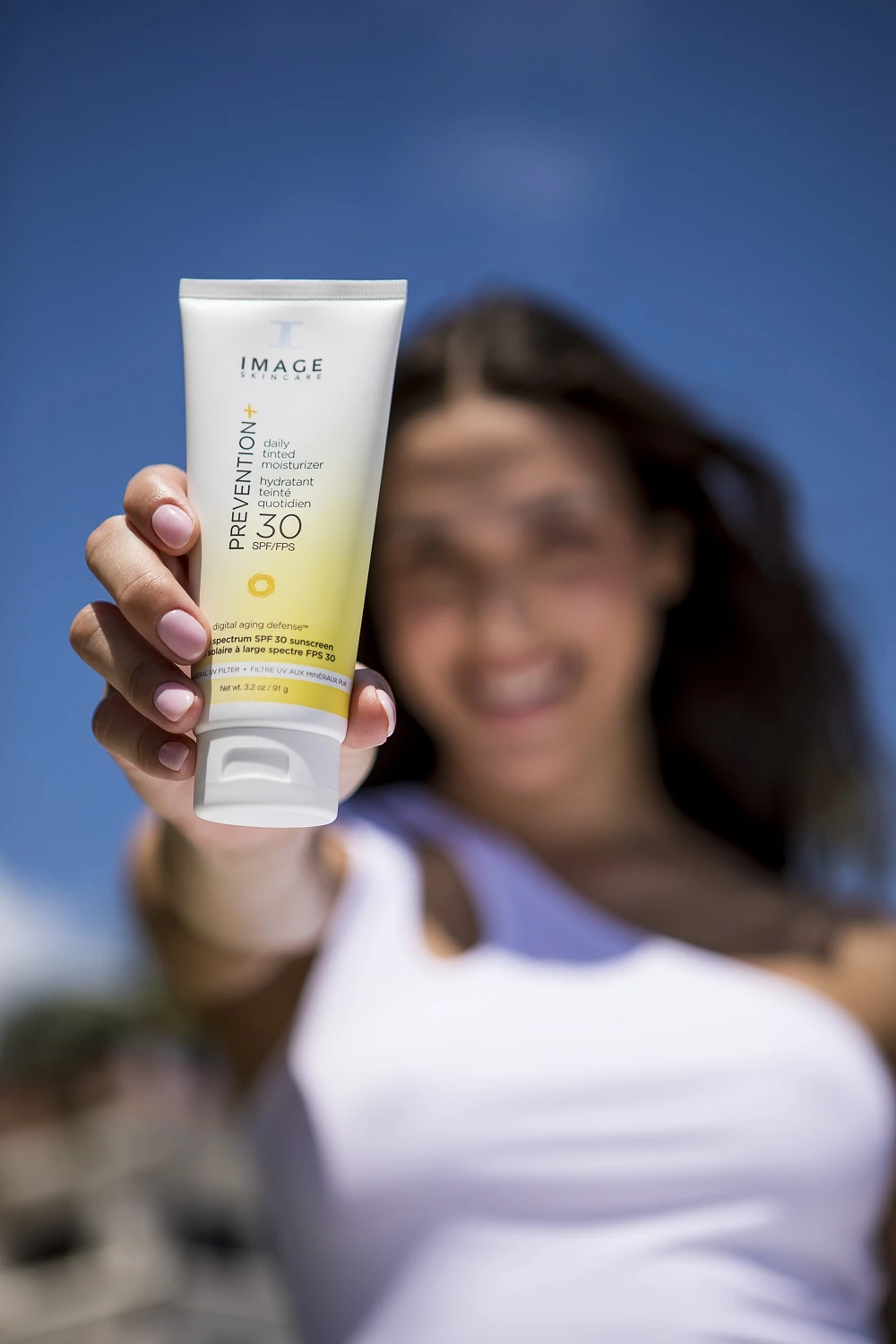
Sunscreen is also an important part of home care. There is no doubt that sunscreen is one of the most important factors in improving most pigmentation conditions. Take a look at:
An effective physical blocking serum for pigmentation, preferably containing zinc oxide as the main active ingredientAn SPF of at least 30 to 50 is recommendedBroad coverage of the spectrum
It is recommended that you use sunscreen every day. If you are out in the sun for more than two hours - or if you are sweating or swimming - you should reapply it every two hours.
In some skin disorders, such as melasma, visible light may contribute to the perpetuation of pigmentation.
If this is the case, look for a mineral sunscreen that contains iron oxide as well, which can block some visible light. Daily use is recommended. You should wear clothing that contains SPF in order to protect yourself from the sun.
Depending on the cause of your pigmentation, your doctor might also recommend laser therapy or chemical peels to reduce pigmentation.
How is pigmentation prevented?
Pigmentation cannot always be prevented. In order to protect yourself, you may take the following steps:
Applying anti pigmentation serum with at least a 30 SPFWearing hats or clothing that blocks the sun's raysStay out of the sun during the strongest part of the day, which is generally from 10 a.m. until 4 p.m.Pigmentation may also be prevented by avoiding certain medications.
Also read: Beauty tips that will give you a flawless glowing skin
Conclusion
Pigmentation is not generally harmful and is not usually a sign of serious medical problems.
It is possible that dark areas can fade on their own if they are protected from the sun. The treatment may need to be more aggressive in other cases. Despite treatment, it is not guaranteed that the dark spots will disappear completely.



















Sign in to leave a comment.