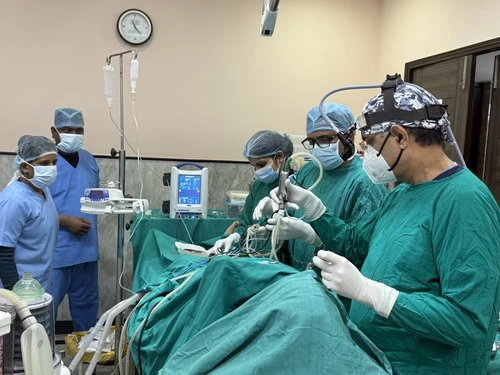

Tonsillectomy surgery is a common procedure that many people undergo to treat chronic throat infections, sleep apnea, or other tonsil-related issues. At MedFirst, we aim to provide clear, reliable information to help you understand what this surgery involves, how recovery works, and what risks you should be aware of.
What is Tonsillectomy Surgery?
A tonsillectomy surgery is the surgical removal of the tonsils, two small glands located at the back of the throat. The tonsils play a role in fighting infections, but sometimes they become problematic, causing recurrent infections, difficulty breathing, or sleep disturbances. When these issues persist, your doctor may recommend a tonsillectomy to improve your overall health and quality of life.
Why is Tonsillectomy Surgery Performed?
Tonsillectomy surgery is typically recommended for individuals experiencing:
- Chronic or recurrent tonsillitis – frequent throat infections that don’t respond to medication.
- Obstructive sleep apnea – enlarged tonsils can block the airway during sleep.
- Difficulty swallowing or breathing – particularly in children with enlarged tonsils.
- Tonsil-related complications – such as abscesses or infections resistant to treatment.
How is Tonsillectomy Surgery Performed?
Tonsillectomy surgery is usually done under general anesthesia. There are several techniques that surgeons may use, including:
- Traditional scalpel surgery – removing the tonsils using a scalpel.
- Electrocautery – using heat to remove tonsil tissue and control bleeding.
- Coblation or laser techniques – newer methods that use radiofrequency or laser energy for less tissue damage.
The procedure typically takes 30 to 60 minutes, and most patients are discharged on the same day, although children may sometimes stay overnight for observation.
Recovery After Tonsillectomy Surgery
Recovery from tonsillectomy surgery varies depending on age and individual health. Here’s what you can generally expect:
- First few days – Sore throat, mild ear pain, and difficulty swallowing are common. Pain management is important.
- First week – Soft foods and plenty of fluids are recommended. Avoid strenuous activity.
- Two weeks – Most patients begin to feel significantly better, but full healing may take 2–3 weeks.
Tips for faster recovery:
- Stay hydrated
- Eat soft, cool foods like yogurt and ice cream
- Avoid smoking or irritants
- Follow prescribed pain medications carefully
Risks and Complications
While tonsillectomy surgery is generally safe, there are some risks to consider:
- Bleeding – Usually minor but can sometimes require medical attention.
- Infection – Rare, but possible after surgery
- Reaction to anesthesia – All surgeries carry this small risk.
- Changes in voice or swallowing – Usually temporary, but should be monitored.
It’s essential to discuss these risks with your doctor before deciding on surgery.
Why Choose MedFirst for Your Tonsillectomy Surgery?
At MedFirst, we prioritize patient safety, comfort, and comprehensive care. Our experienced surgical team ensures that your tonsillectomy surgery is performed with precision, and our dedicated staff supports you throughout your recovery. From initial consultation to post-operative care, MedFirst is committed to helping you achieve the best possible outcome.
Conclusion
If you or your child suffers from frequent throat infections, sleep issues, or tonsil-related complications, tonsillectomy surgery may be the solution. Understanding the procedure, recovery process, and risks can help you make an informed decision and feel confident about your care. Trust MedFirst to provide expert guidance and compassionate support every step of the way.































Sign in to leave a comment.