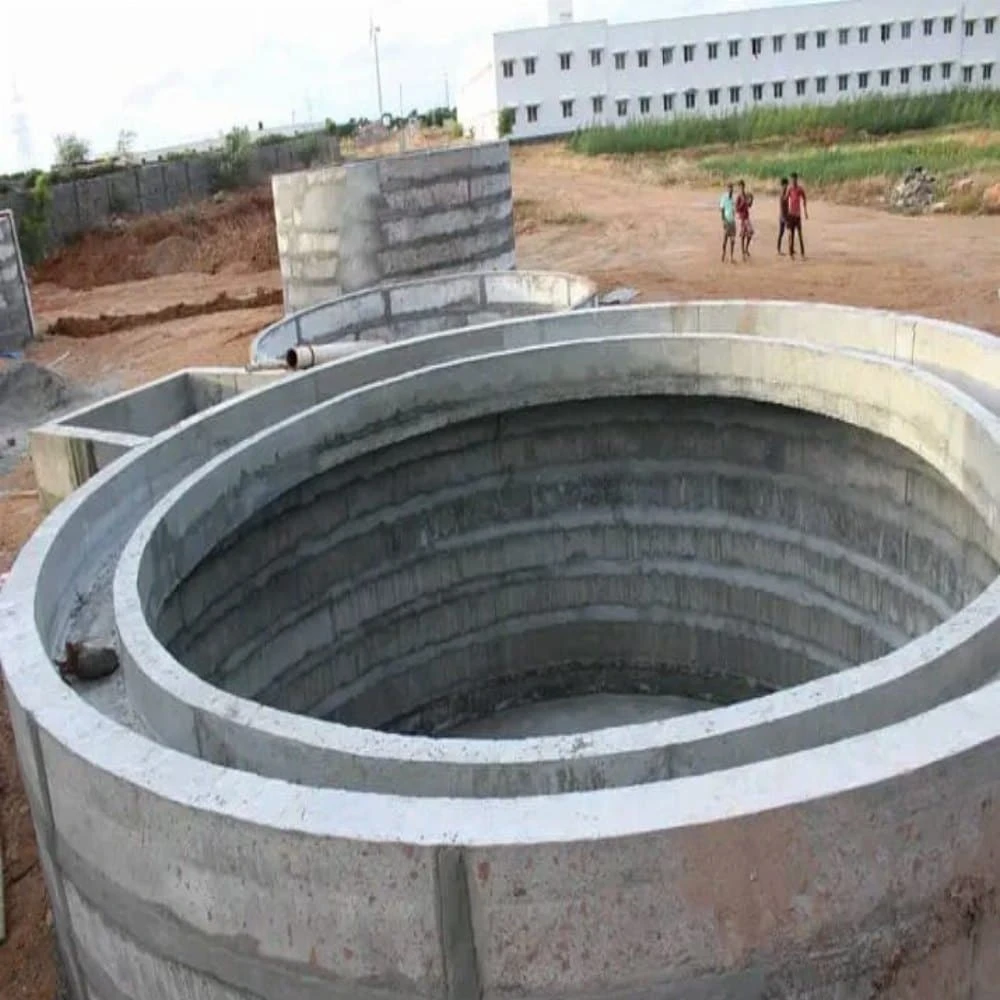

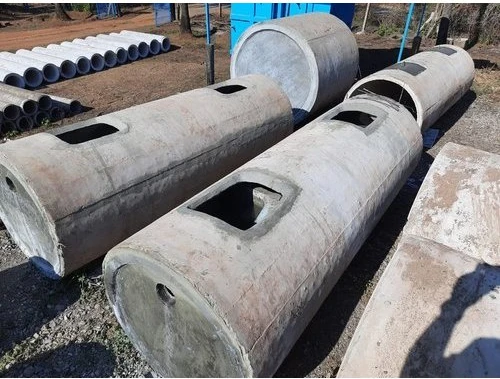
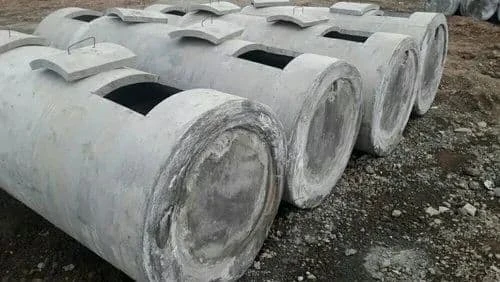
Underground concrete water tank have gained significant popularity in recent years, especially among businesses and households looking for efficient water storage solutions. These tanks are designed to be placed below the surface, making them an excellent option for those who have limited space or want to maintain the aesthetics of their property. This article delves into the myriad benefits, applications, installation processes, and maintenance tips associated with underground concrete water tanks.
Benefits of Underground Concrete Water Tanks
One of the most compelling advantages of underground concrete water tanks is their durability. Constructed from high-quality concrete, these tanks are designed to withstand various environmental factors, including soil pressure, groundwater, and temperature fluctuations. This durability ensures that they can last for many years, providing reliable water storage without the risk of leaks or structural failures.
Moreover, underground concrete water tanks offer significant space-saving benefits. Unlike above-ground tanks that occupy valuable surface area, these tanks are hidden from view, allowing homeowners and businesses to utilize their land for other purposes. This is particularly advantageous in urban settings where space is at a premium. In addition to conserving space, these tanks also help prevent contamination of stored water, as they are less exposed to environmental pollutants like debris, insects, and direct sunlight.
Another notable feature of underground concrete water tanks is their ability to maintain a stable water temperature. Being buried underground helps insulate the water, reducing the likelihood of freezing in colder months and maintaining a cooler temperature during hot weather. This temperature stability is crucial for various applications, including agricultural irrigation and fire protection systems, where consistent water quality is essential.
Applications of Underground Concrete Water Tanks
The versatility of underground concrete water tanks makes them suitable for a multitude of applications. For residential use, they can serve as a reliable source of potable water, rainwater harvesting, or irrigation for gardens and landscaping. Homeowners can collect and store rainwater, which can then be used for non-potable purposes such as watering plants, flushing toilets, or washing vehicles. This not only conserves municipal water supplies but also reduces water bills, making it an economically viable option.
In commercial settings, these water tanks can be utilized for various purposes, including fire protection systems, irrigation for large landscapes, and even cooling systems for industrial applications. Businesses that require large volumes of water for production processes or fire safety can rely on the ample storage capacity that underground concrete water tanks provide. Furthermore, by implementing such systems, businesses can portray a commitment to sustainable practices, reducing their overall environmental impact.
Moreover, underground concrete water tanks can play a crucial role in stormwater management. By capturing and storing excess rainwater, these tanks can help mitigate flooding and reduce the risk of erosion on properties. In areas prone to heavy rainfall, having a reliable stormwater management system in place is essential for protecting both the property and the surrounding environment.
Installation Process of Underground Concrete Water Tanks
Installing an underground concrete water tank involves several critical steps to ensure proper functioning and longevity. The first step is to conduct a thorough site assessment, which involves evaluating soil conditions, groundwater levels, and local regulations. This assessment is crucial for determining the appropriate tank size and location, as well as ensuring compliance with any relevant guidelines.
Once the site has been assessed, excavation begins. The depth and width of the excavation will depend on the size of the tank being installed. It is vital to ensure that the excavation is stable and free from loose debris to prevent any potential issues during the installation process. After the excavation is complete, a base of crushed stone or gravel is often laid down to provide proper drainage and support for the tank.
The next step involves placing the tank into the excavation. Given the weight of concrete tanks, this process typically requires heavy machinery to safely lower the tank into position. Once the tank is in place, it must be backfilled with soil or gravel to provide additional support and stability. Care must be taken to compact the backfill material adequately, preventing any future settling or shifting that could compromise the tank's integrity.
Finally, it is essential to connect the necessary plumbing and filtration systems to ensure efficient water storage and retrieval. Regular inspections and maintenance should follow the installation to ensure that the tank remains in optimal condition.
Maintenance of Underground Concrete Water Tanks
Proper maintenance of underground concrete water tanks is crucial for ensuring their longevity and effectiveness. Regular inspections should be conducted to check for any signs of wear, damage, or leakage. It is also essential to monitor the water quality periodically, especially if the tank is used for potable water. Testing for contaminants and ensuring that the filtration system is functioning properly will help maintain safe and clean water storage.
In addition to inspections, routine cleaning is necessary to prevent the buildup of sediment and debris within the tank. Depending on the amount of water stored and the frequency of use, cleaning may need to take place annually or biannually. A thorough cleaning process typically involves draining the tank, removing any accumulated sludge, and sanitizing the interior surfaces to ensure a hygienic environment for water storage.
Lastly, it is crucial to ensure that any plumbing connections are secure and that the tank is properly sealed to prevent any external contaminants from entering. By adhering to a regular maintenance schedule, property owners can prolong the lifespan of their underground concrete water tanks and ensure they continue to function effectively for years to come.
Conclusion
In summary, underground concrete water tanks provide a durable, space-saving, and efficient solution for water storage needs in both residential and commercial settings. Their versatility in applications, combined with the proper installation and maintenance practices, makes them an excellent investment for anyone looking to manage water resources effectively. For those interested in exploring high-quality underground concrete water tanks, Ri-Industries stands out as a leading option, offering expert solutions tailored to meet diverse needs. With the right tank in place, property owners can enjoy the peace of mind that comes from having a reliable water storage system.










Sign in to leave a comment.