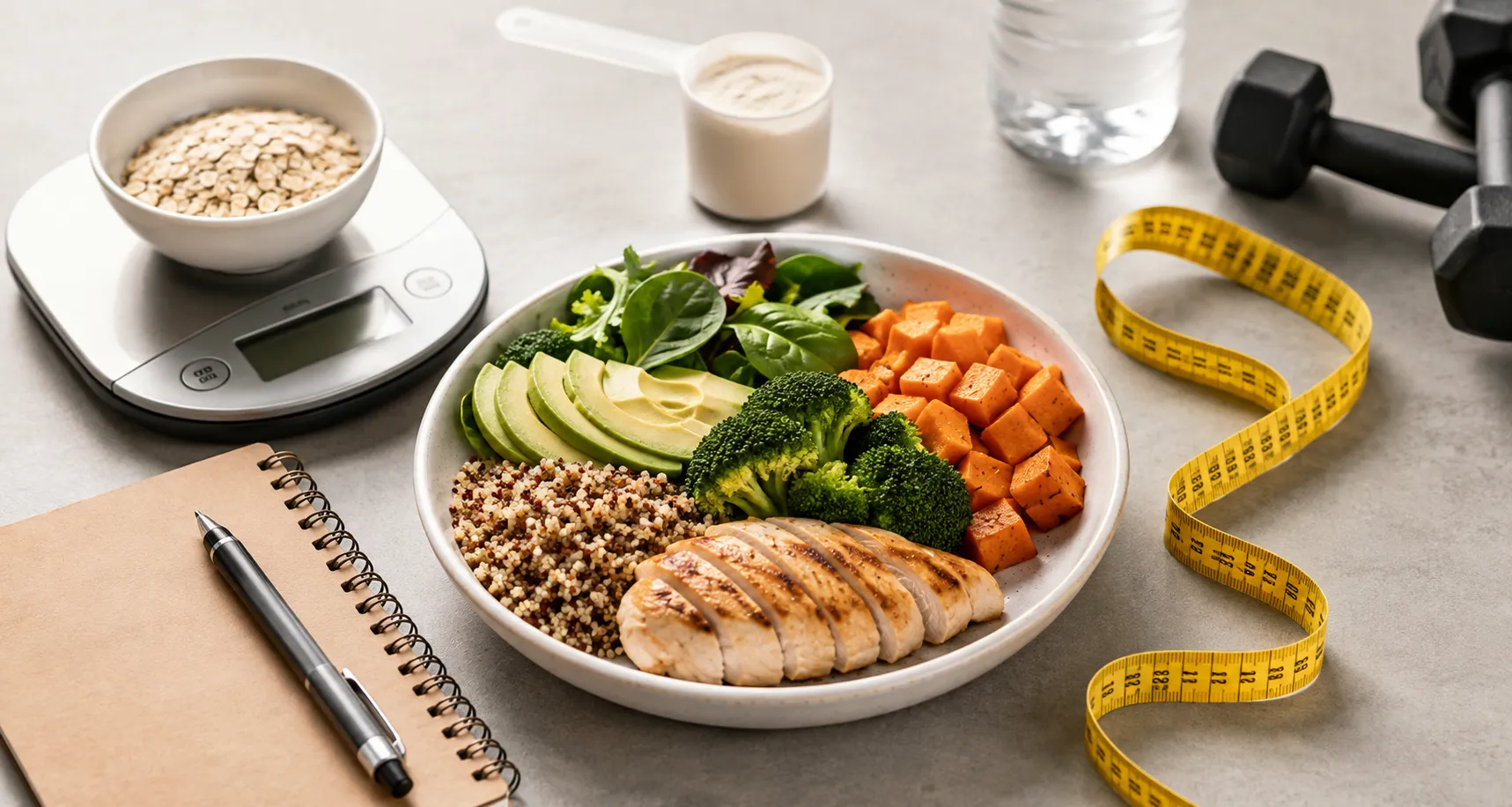

With so many diet trends coming and going, it can be hard to know which ones are actually worth your time. A keto diet plan has stuck around for years now, and unlike many short lived trends, it continues to help people lose weight, manage cravings, and feel more in control of their eating habits. If you are thinking about giving it a try, understanding how it works before you dive in will make the transition much smoother.
This article covers the essentials, from how the diet functions to what a realistic day of eating looks like.
The Basics Behind a Keto Diet Plan
A keto diet plan works by significantly limiting carbohydrate intake while increasing the amount of fat you consume. This combination pushes the body into ketosis, a state where fat is broken down into ketones and used as the primary source of energy instead of glucose from carbs. Once your body becomes fat adapted, many people notice fewer cravings and more consistent energy throughout the day.
A typical keto diet plan generally follows these guidelines:
- Daily carbohydrate intake kept low, usually somewhere between 20 and 50 grams
- Protein consumption set at a moderate level to protect lean muscle tissue
- The majority of daily calories coming from healthy fat sources
- Cutting out sugary beverages, refined grains, and most starchy foods
Everyone responds a little differently, so it often takes a week or two of consistent effort before the body fully adjusts to burning fat for fuel.
Why This Approach Continues to Work for So Many People
There is no single reason a keto diet plan has remained popular, but a few common themes come up again and again:
- It tends to produce visible results faster than many traditional diets
- It naturally reduces appetite, making it easier to avoid overeating
- It can lead to improved mental clarity once the initial adjustment phase passes
- It helps stabilize energy levels by avoiding the blood sugar spikes and crashes caused by refined carbs
- It encourages a shift toward whole, nutrient dense foods instead of heavily processed options
These benefits, combined with the flexibility to customize meals to personal taste, are a big part of why so many people stick with this approach long term.
Sample Meals to Get You Started
If you are unsure where to begin, here is an example of what a full day on a keto diet plan might look like:
Breakfast A spinach and mushroom omelet cooked in butter, served alongside two strips of bacon.
Lunch A hearty cobb salad with grilled chicken, hard boiled eggs, bacon bits, blue cheese, and a ranch dressing made without added sugar.
Snack A small serving of pork rinds or a handful of pecans for a quick, satisfying option.
Dinner Baked cod with a lemon butter sauce, served with roasted Brussels sprouts and a side of zucchini noodles.
Light Dessert A few squares of sugar free dark chocolate paired with a small handful of strawberries.
These meals can easily be swapped or adjusted based on what proteins, vegetables, and fats you enjoy most.
Things to Keep in Mind Before You Start
Before jumping into a keto diet plan, it helps to be aware of a few important considerations:
- The first week can bring temporary symptoms like fatigue or headaches, often called the keto flu
- Sodium, potassium, and magnesium levels may need extra attention since low carb diets can deplete electrolytes faster
- Eating out can be more challenging at first, so learning to navigate menus is a useful skill to build early
- Weight loss may slow down after the initial rapid drop, which is completely normal and expected
- Consulting a healthcare provider beforehand is especially important if you have any existing medical conditions
Being prepared for these realities ahead of time can help you stay motivated instead of getting discouraged during the adjustment period.
Frequently Asked Questions
Can I drink alcohol on a keto diet plan? Certain low carb options like dry wine or spirits without sugary mixers can fit into a keto diet plan, though alcohol should still be consumed in moderation.
Do I need to exercise while following a keto diet plan? Exercise is not mandatory but can enhance results, support muscle retention, and improve overall energy levels while following the diet.
Will my cholesterol go up on a keto diet plan? Cholesterol changes vary by individual. Some people see improvements, while others may need to monitor levels more closely with a healthcare provider.
How long should I stay on a keto diet plan? Some people follow it short term to reach a weight goal, while others adopt it as a long term lifestyle. The right duration depends on personal goals and how your body responds.
Is it normal to have digestive changes when starting keto? Yes, some people experience temporary digestive adjustments due to the change in fiber and food sources. Increasing water intake and eating enough low carb vegetables can help ease this transition.
Final Thoughts
A well planned keto diet plan can be an effective way to support weight loss and build healthier long term eating habits, especially when approached with realistic expectations and proper preparation. If you want a plan tailored specifically to your goals and lifestyle, explore these carefully designed keto diet meal plans created to guide you every step of the way.
































Sign in to leave a comment.