
When it comes to dental health, dental implants have emerged as a revolutionary solution for those seeking to replace missing teeth. This innovative procedure not only restores functionality but also enhances aesthetic appeal, allowing individuals to regain confidence in their smiles.
In this article, we will explore the intricacies of dental implants, including their benefits, the procedure involved, and essential aftercare tips to ensure long-lasting results.
Understanding Dental Implants: What Are They?
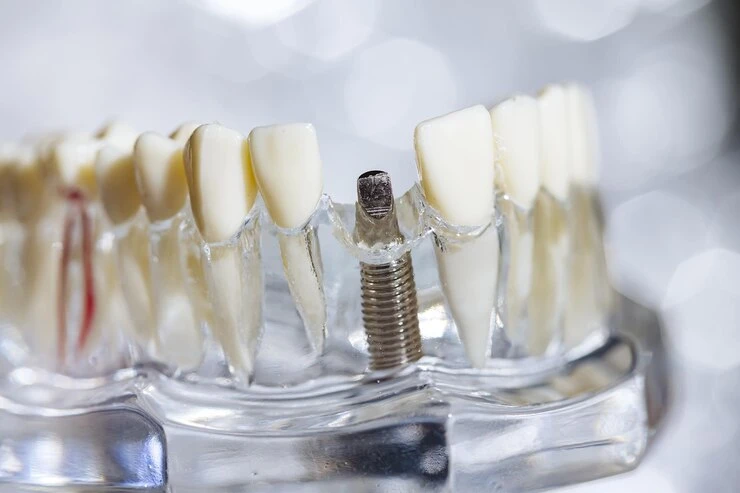
Dental implants are artificial tooth roots made from biocompatible materials, typically titanium, which are surgically inserted into the jawbone. This process creates a sturdy foundation for replacement teeth, which can be crowns, bridges, or dentures. Unlike traditional dentures, which can slip and slide, dental implants offer a permanent solution that integrates seamlessly with the bone. This integration is known as osseointegration, a crucial factor that contributes to the stability and longevity of the implants.
The design of dental implants mimics that of natural tooth roots, providing the necessary support for prosthetic teeth. They are suitable for individuals who have lost teeth due to injury, periodontal disease, or other dental issues. Notably, the success rate of dental implants is impressively high, often exceeding 95%, making them a reliable option for tooth replacement.
The Procedure: What to Expect
The journey to obtaining dental implants typically involves several stages, each meticulously planned to ensure the best outcomes. Initially, a comprehensive assessment is conducted, which may include X-rays and 3D imaging, to evaluate the bone's density and structure. This step is vital, as it determines whether a patient is a suitable candidate for implants. If the bone is insufficient, bone grafting may be recommended to build up the area before proceeding.
Once deemed eligible, the first phase of the procedure involves the surgical placement of the implant into the jawbone. This is usually done under local anaesthesia, ensuring that the patient experiences minimal discomfort. The implant is then left to heal for several months, during which time it fuses with the bone through osseointegration. This healing phase is crucial, as it establishes a strong foundation for the replacement teeth.
After the healing process, a small connector known as an abutment is attached to the implant. This abutment serves as the anchor for the final prosthetic tooth or teeth. Impressions of the mouth are taken to create custom-made crowns that match the colour and shape of the surrounding teeth. Once the crowns are ready, they are securely fixed onto the abutments, completing the process. The result is a set of natural-looking teeth that function just like real ones.
Benefits of Dental Implants
The advantages of opting for dental implants are numerous and compelling. Firstly, they provide unparalleled stability and comfort compared to traditional dentures. Since they are anchored into the jawbone, there is no risk of them shifting or causing discomfort while eating or speaking. This stability allows individuals to enjoy their favourite foods without restriction, significantly enhancing their quality of life.
Moreover, dental implants contribute positively to oral health. Unlike bridges, which require the alteration of adjacent teeth, implants preserve the integrity of surrounding natural teeth. Additionally, they stimulate the jawbone, preventing bone loss that often occurs after tooth loss. This stimulation is essential for maintaining the facial structure and preventing the sunken appearance that can result from missing teeth.
From an aesthetic standpoint, dental implants are designed to look and feel like natural teeth. They blend seamlessly with the existing dentition, leading to enhanced self-esteem and confidence. Individuals who have undergone the procedure often express feeling revitalised, as they no longer have to hide their smiles or feel self-conscious about missing teeth.
Aftercare: Ensuring Longevity
Caring for dental implants is crucial for their longevity and effectiveness. The aftercare process is relatively straightforward and mirrors that of maintaining natural teeth. Regular brushing and flossing should be a daily routine, and patients are encouraged to use non-abrasive toothpaste to prevent damage to the implant surface. Furthermore, routine dental check-ups are essential for monitoring the health of the implants and surrounding gums.
Diet also plays a pivotal role in the success of dental implants. While there are no specific dietary restrictions post-surgery, it is advisable to avoid hard or sticky foods that could dislodge the implants during the initial healing phase. Once healed, individuals can enjoy a varied diet, but maintaining a balanced intake of vitamins and minerals is essential for overall oral health.
It is also important to be aware of potential complications, such as infections or implant failure. Although rare, these issues can arise, particularly in individuals with pre-existing health conditions such as diabetes or those who smoke. Therefore, it is imperative to discuss any health concerns with the dental professional before the procedure, ensuring that all factors are taken into consideration for optimal outcomes.
The Future of Dental Implants
As technology continues to advance, the future of dental implants looks promising. Recent developments in materials and techniques are pushing the boundaries of what is possible, leading to even more effective and efficient treatments. Innovations such as computer-guided implant placement and 3D printing are enhancing precision, reducing recovery times, and improving overall success rates.
Moreover, ongoing research is exploring the potential for implants to be used in conjunction with regenerative medicine, which could further revolutionise the field. The prospect of using stem cells to promote healing and regeneration in dental procedures holds immense potential for the future of dental care.
In summary, dental implants represent a significant advancement in restorative dentistry, offering durable, aesthetically pleasing solutions for those with missing teeth. With their high success rates and numerous benefits, they have become a go-to option for individuals looking to reclaim their smiles and improve their dental health. As we move forward, it is essential to stay informed about the latest developments in this ever-evolving field, ensuring that patients have access to the best possible care and outcomes.





















Sign in to leave a comment.