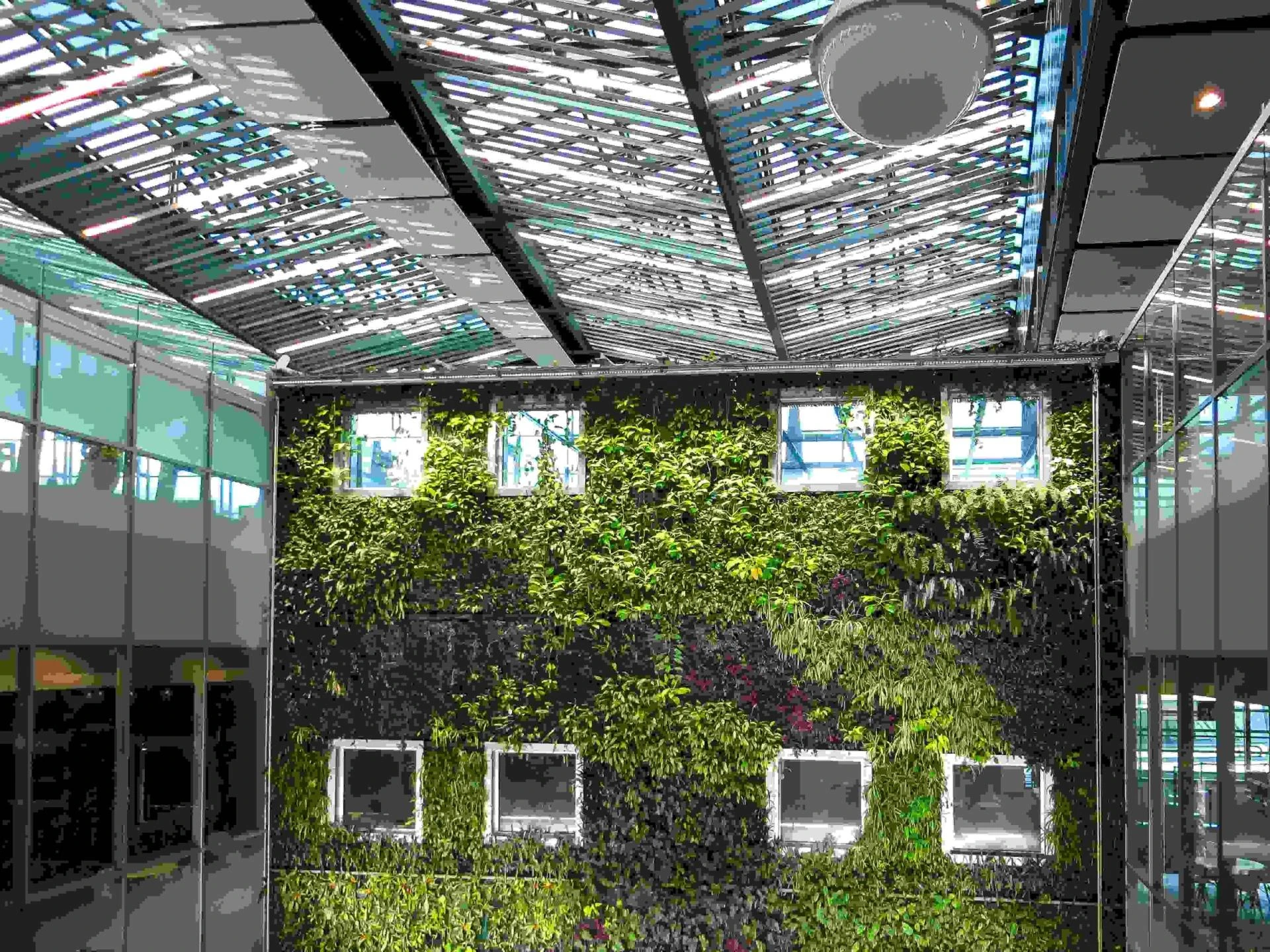

Sustainable structures and construction are now heavily practised around the world. From materials and equipment used to strategies and building techniques–all are aimed at lessening the environmental impacts of construction.
This has become such a great and impactful way to promote green practices! So if you’re thinking about going green on your upcoming project, may it be your home, shop, office and so on, check out what we have in store below!
Below is everything you need to know about green building practices! This is something essential to know, simply to make sure if sustainable construction and structure is for you or not!
1 - It’s an energy-efficient option
Reducing energy use to improve sustainability and reduce environmental effects is one of the main goals of green building. This can be accomplished in several ways, such as by installing highly efficient HVAC systems, putting in place well-insulated building envelopes, choosing energy-efficient lighting options, and incorporating renewable energy sources like solar panels into the construction and operation of buildings.
2 - Usage of sustainable materials during construction
The use of ecologically friendly and sustainable materials is emphasised in green buildings. Examples of these materials include recycled steel, recovered wood from sustainably managed forests, fast renewable materials like bamboo flooring, and paints and finishes with low volatile organic compounds (VOCs).
By using these materials, building projects not only lessen their negative effects on the environment but also encourage responsible resource management and improve tenants\' indoor air quality.
3 - Incorporation of water conservation
Low-flow fixtures, rainwater harvesting systems that collect and store rainwater for non-potable applications, and greywater recycling systems that treat wastewater from sinks and showers for use in toilet flushing and irrigation are examples of water-saving technologies that are frequently found in green buildings.
Green buildings may contribute to sustainable water management techniques, alleviate the burden on nearby water supplies, and drastically cut water use by putting these strategies into effect.
4 - Indoor air quality
Indoor air quality is given priority in green buildings through the use of non-toxic construction materials including formaldehyde-free insulation, paints and finishes with low emissions, and flooring composed of sustainable materials.
They also use ventilation systems that reduce exposure to allergens and dangerous pollutants by providing sufficient fresh air circulation and filtration. These actions promote sustainability and responsible construction practices while improving the comfort and well-being of residents by creating healthier interior environments.
5 - Practice of waste reduction
Green building techniques recycle and reuse resources as much as possible to reduce construction waste. This might involve employing prefabricated components to reduce waste on site, rescuing materials from demolition projects, and putting waste management strategies into action to divert items from landfills.
To further minimise waste creation throughout the building\'s lifespan, green builders also place a high priority on the use of durable materials and design choices that decrease the need for frequent replacements.
6 - Site selection and design
To reduce its negative effects on the environment, green construction takes into account the site\'s natural characteristics and surroundings.
This all-encompassing strategy minimises site disturbance to safeguard soil integrity, conserves biodiversity by keeping existing plants intact, and designs buildings to optimise natural light and ventilation.
This is done to minimise the need for artificial lighting and mechanical cooling. Additionally, to reduce stormwater runoff and improve water penetration, green builders may use rainwater management techniques like permeable pavement and green roofs.
7 - Certification and standards
Green building techniques are governed by several certification programmes and standards, including ENERGY STAR and LEED (Leadership in Energy and Environmental Design).
These initiatives support ensuring that buildings fulfil certain sustainability standards and can offer independent verification of their environmental efficacy.
8 - Resillience and adaptation
Resilience and adaptation strategies are being included in green construction methods more and more to meet the problems posed by climate change, such as harsh weather and rising temperatures.
This might involve using passive design techniques to lessen dependency on mechanical systems and creating structures that can resist storms and floods.
9 - Lifecycle analysis
Green building takes into account a building\'s environmental impact at every stage of its lifetime, from design and operation to upkeep and eventual removal or deconstruction.
Designers and builders may reduce environmental harm by making more informed decisions by assessing the lifetime environmental implications.
Take away
Now you know 9 facts about green building, we hope it’s something you’d want to consider for your upcoming structure!
This practice of construction doesn’t only benefit the environment but also the local economy, you and your family and also your bank account in the long run.
But the downside to green construction is that you might have a hard time finding the right builders. So you might want to consider luxury home builders since they have integrated this practice when building structures.






Sign in to leave a comment.