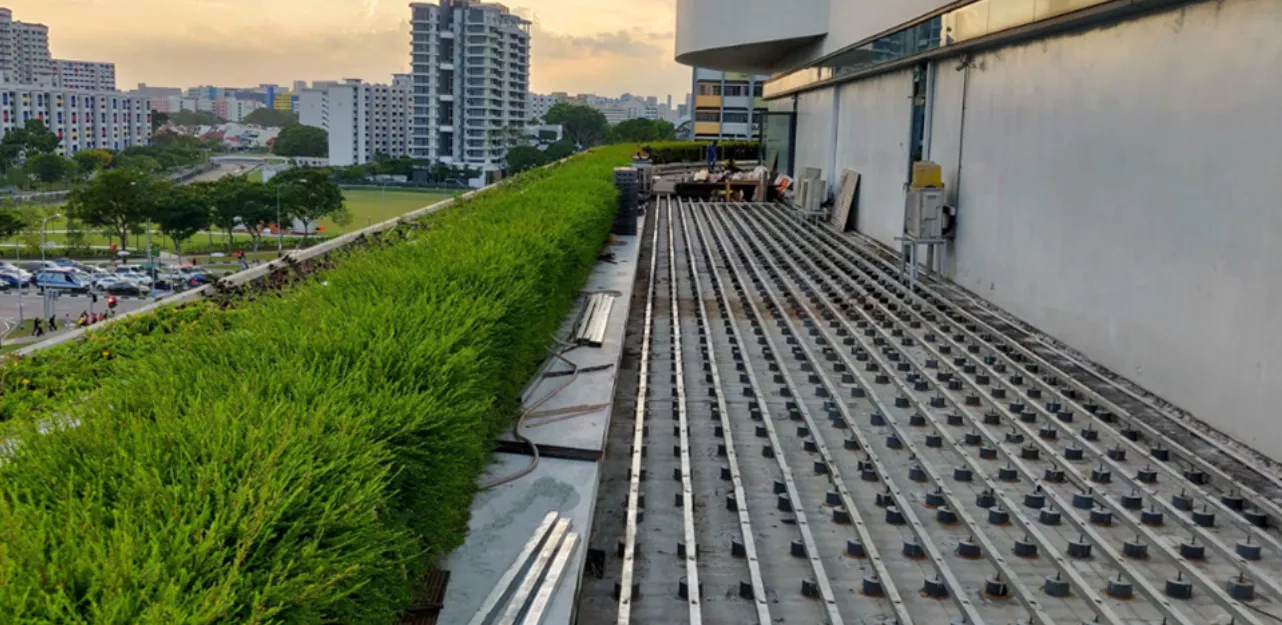

Timber decking in Singapore requires careful planning to ensure the finished deck performs well in the country's tropical climate. Beyond selecting attractive timber, homeowners and property managers should understand how site conditions, installation methods, material selection, and maintenance practices influence the deck's long-term durability.
Whether the decking is intended for a residential garden, balcony, rooftop terrace, poolside, or commercial outdoor space, every project should begin with a clear understanding of the installation process. This guide explains the key considerations before installing timber decking, from planning and timber selection to maintenance and common installation mistakes.
Why Is Planning Important Before Installing Timber Decking?
Planning establishes the foundation of a successful decking project. Before selecting deck boards or arranging installation, property owners should evaluate how the space will be used and the conditions that may affect the decking throughout its lifespan.
Timber naturally responds to moisture, temperature, and humidity. Understanding these environmental factors allows the decking system to be designed appropriately for Singapore's weather conditions.
A well-planned project considers:
- Intended use of the deck
- Available installation space
- Existing site conditions
- Drainage requirements
- Structural support
- Ventilation
- Future maintenance
Planning also helps identify site-specific challenges before construction begins, reducing the likelihood of costly modifications later.
Understanding Timber Decking
Timber decking is a flooring system made from natural wood boards installed on a structural framework. It creates a durable outdoor surface suitable for residential and commercial applications while providing a natural appearance that complements landscaping and architecture.
Timber deck systems are commonly installed in:
- Gardens
- Patios
- Balconies
- Rooftop terraces
- Swimming pool surrounds
- Boardwalks
- Outdoor dining areas
- Hospitality developments
The performance of the decking depends not only on the timber itself but also on the quality of installation and ongoing maintenance.
Choosing the Right Timber
Selecting appropriate timber is one of the most important decisions before installation. Different hardwood species offer varying levels of durability, stability, and resistance to outdoor conditions.
Rather than selecting timber solely for its appearance, property owners should evaluate technical characteristics that influence long-term performance.
| Timber Characteristic | Why It Matters |
| Durability | Determines long-term resistance to weather exposure |
| Density | Supports structural strength |
| Weather resistance | Improves performance in outdoor environments |
| Dimensional stability | Reduces excessive expansion and contraction |
| Maintenance requirements | Influences long-term upkeep |
| Appearance | Complements the property's design |
Choosing timber that matches the intended application contributes to a longer-lasting deck.
Understanding Singapore's Climate
Singapore experiences high humidity, frequent rainfall, and strong ultraviolet exposure throughout the year. These environmental conditions directly affect outdoor timber.
Common climate-related considerations include:
Moisture
Timber absorbs and releases moisture naturally. Proper installation allows timber to expand and contract without compromising structural stability.
Sunlight
Continuous UV exposure gradually changes the appearance of timber surfaces. Routine maintenance helps preserve the timber while allowing it to weather naturally.
Rainfall
Frequent rain highlights the importance of drainage and ventilation. Properly designed decking systems allow water to drain efficiently while promoting airflow beneath the deck.
Understanding these environmental conditions helps property owners choose suitable installation methods and maintenance schedules.
The Timber Deck Installation Process
Professional installation follows a structured process that supports long-term performance.
Although each project differs, the installation generally includes several stages.
1. Site Assessment
Every project begins with evaluating the installation area.
The assessment considers:
- Ground condition
- Existing structures
- Drainage
- Accessibility
- Intended deck layout
The information collected guides the overall construction approach.
2. Structural Framework
The supporting framework carries the weight of the decking boards and distributes structural loads evenly.
A properly constructed framework improves:
- Stability
- Load distribution
- Ventilation
- Drainage
- Long-term durability
The framework is one of the most critical components of the entire decking system.
3. Deck Board Installation
After completing the supporting structure, timber boards are installed according to the selected layout.
Professional installation ensures:
- Consistent spacing
- Secure fastening
- Proper alignment
- Adequate expansion allowance
These details help the timber respond naturally to environmental changes.
4. Final Inspection
Before project completion, the finished deck should be inspected to verify:
- Structural stability
- Surface alignment
- Drainage performance
- Fastener security
- Overall workmanship
A thorough inspection ensures the decking performs as intended before regular use begins.
Common Installation Mistakes
Many long-term decking issues originate from avoidable installation errors.
Some of the most common mistakes include:
Poor Drainage
Water trapped beneath the deck increases moisture exposure and may affect both the decking boards and supporting framework.
Inadequate Ventilation
Limited airflow beneath the decking slows drying after rainfall, increasing the risk of prolonged moisture retention.
Incorrect Board Spacing
Timber expands and contracts as humidity changes. Boards installed without adequate spacing may experience unnecessary movement or distortion.
Weak Structural Support
The supporting framework must be designed to accommodate the expected load while maintaining long-term stability.
Unsuitable Timber Selection
Using timber that is not appropriate for outdoor conditions may reduce the deck's lifespan despite good workmanship.
How to Maintain Timber Decking
Routine maintenance helps preserve both the appearance and structural integrity of timber decking.
Property owners should establish a maintenance schedule that includes:
- Sweeping away leaves and debris.
- Cleaning surface dirt.
- Inspecting fasteners.
- Checking drainage pathways.
- Examining structural components.
- Applying suitable timber treatments when necessary.
Maintenance requirements vary depending on timber species, exposure to weather, and usage.
Regular inspections allow small issues to be identified before they develop into more significant repairs.
Signs That Timber Decking Needs Attention
Routine inspections help identify maintenance requirements before structural problems develop.
Common signs include:
| Observation | Possible Cause |
| Standing water | Drainage issues |
| Loose deck boards | Fastener movement |
| Uneven surface | Structural support concerns |
| Surface wear | Environmental exposure |
| Excessive movement | Framework inspection required |
| Moisture retention | Ventilation improvements needed |
Early intervention often reduces the need for extensive repairs.
Factors That Influence Deck Lifespan
Several factors contribute to how long a timber deck remains in good condition.
These include:
- Timber quality
- Installation workmanship
- Structural design
- Drainage
- Ventilation
- Routine maintenance
- Environmental exposure
No single factor determines durability. Instead, the combined performance of these elements influences the overall lifespan of the decking system.
Frequently Asked Questions (FAQs)
Is timber decking suitable for Singapore's weather?
Yes. Many hardwood timber species are suitable for Singapore's tropical climate when properly installed with adequate drainage, ventilation, and regular maintenance.
How long does timber decking last?
The lifespan depends on timber species, installation quality, environmental exposure, and ongoing maintenance. Properly maintained hardwood decking can provide many years of reliable service.
Does timber decking require maintenance?
Yes. Regular cleaning, inspections, and timber care help preserve both appearance and structural performance while reducing the likelihood of major repairs.
Why is ventilation important beneath timber decking?
Ventilation promotes airflow beneath the deck, allowing moisture to evaporate more efficiently after rainfall. Good airflow contributes to healthier timber performance over time.
Should homeowners install timber decking themselves?
Simple projects may appear straightforward, but professional installation helps ensure proper structural support, drainage, board spacing, and long-term durability.
Planning for a Durable Timber Deck
Installing timber decking involves much more than selecting attractive timber boards. Careful planning, appropriate material selection, proper structural design, and routine maintenance all contribute to a decking system that performs reliably in Singapore's climate. Understanding these considerations before installation helps property owners create outdoor spaces that remain functional, safe, and visually appealing for years to come.
Get Guidance Before Installing Timber Decking
If you would like to learn more about timber decking in Singapore, timber selection, or professional deck installation, you can contact Nam Soon Decking Pte Ltd for further information and guidance tailored to your residential or commercial project.



























Sign in to leave a comment.