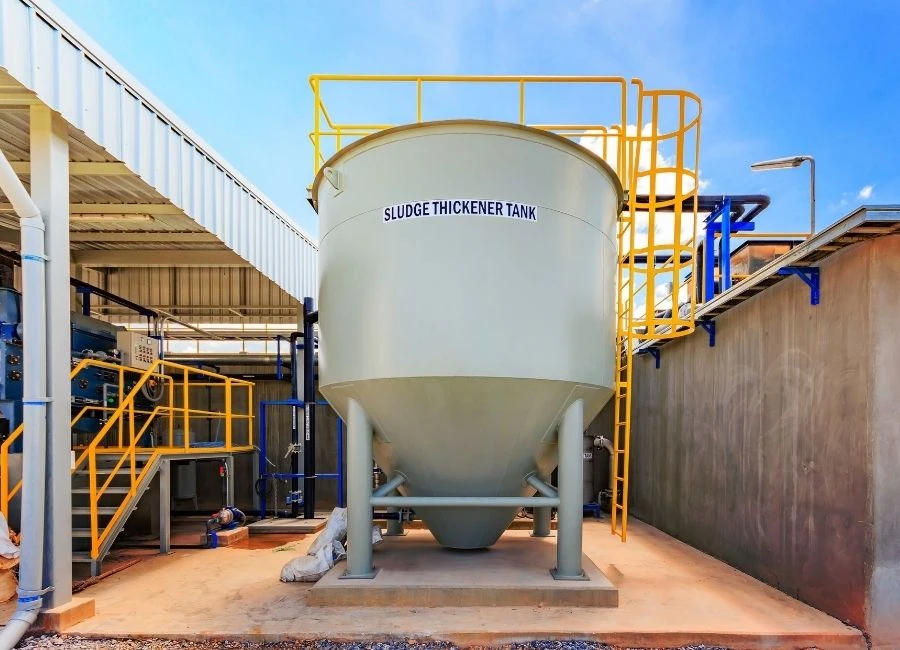

The global demand for flexible, efficient, and rapidly deployable wastewater treatment systems has increased significantly over the past decade. As both industrial and municipal operations extend into more remote regions, the limitations of traditional, permanently installed facilities have become increasingly evident. This shift in operational needs has accelerated the development and adoption of innovative portable treatment solutions. Among these, the modern Mobile Wastewater Treatment Unit has emerged as one of the most adaptive technologies available, offering robust treatment capacity coupled with the mobility required for dynamic field conditions. This blend of flexibility and performance has reshaped expectations, demonstrating that high-quality treatment no longer requires a large, permanently constructed facility.
One of the most important advantages of mobile wastewater systems is the ability to respond rapidly to unexpected situations. Natural disasters, emergency infrastructure failures, and sudden population increases can create urgent wastewater challenges that traditional plants cannot immediately address. Mobile units provide a ready-to-use alternative that can be deployed quickly, bringing immediate relief and preventing environmental contamination. Their self-contained design allows them to function independently, often requiring only basic utility connections to begin treatment operations. This makes them ideal not only for emergency scenarios but also for temporary industrial activities such as mining exploration, construction projects, and seasonal operations. By reducing the time required to establish treatment capability, mobile units play a central role in modern environmental protection strategies.
As portable wastewater technologies matured, the demand for systems that balance mobility with structural stability led to the increased popularity of the Containerized Wastewater Unit. These systems combine the compact footprint of mobile units with the protective advantages of standardized container housings. By integrating all major treatment components into an ISO-format container, manufacturers can ensure ease of transportation, predictable installation requirements, and reliable protection from weather or external damage. This container architecture also allows operators to relocate units multiple times without compromising mechanical integrity. Industries working in harsh environments, such as remote energy exploration sites or desert construction zones, often rely on containerized systems because they maintain stable operation under demanding conditions while still being simple to ship, set up, and maintain.
Containerized systems also offer important logistical advantages. Because the interior layout is engineered before shipment, installation becomes a straightforward process, significantly reducing the time and labor traditionally required to build a wastewater plant from scratch. Electrical wiring, piping, monitoring equipment, and safety systems arrive pre-configured, enabling operators to begin treatment operations shortly after placement. This streamlined installation process is particularly valuable for temporary settlements, military bases, and humanitarian operations where both speed and reliability are crucial. Furthermore, the compact rectangular shape of containerized units allows them to be transported efficiently via truck, ship, or rail, ensuring compatibility with global logistics systems.
As industries and communities continue to evolve, scalability has become a defining requirement in wastewater management. In many cases, treatment demand fluctuates over time, either growing with population increases or decreasing when industrial activity slows. Constructing a large fixed facility to anticipate future growth can be costly and inefficient. In contrast, the Modular Wastewater Treatment Unit offers a practical solution by enabling treatment capacity to expand or contract through the simple addition or removal of modules. Each module typically performs a specific function such as biological treatment, clarification, filtration, or disinfection. This building-block style architecture allows operators to upgrade performance without redesigning the entire system.
The modular design also simplifies maintenance by isolating treatment processes in separate units. If one module requires servicing, it can often be bypassed or replaced without shutting down the entire system. This minimizes operational interruptions and provides significant long-term cost benefits. Additionally, modular units are commonly engineered with standard connection interfaces, allowing them to integrate smoothly with existing structures or additional modules. This makes them attractive to growing municipalities, industrial facilities undergoing expansion, or organizations seeking cost-effective modernization of outdated infrastructure. By offering adaptability and long-term upgrade potential, modular design supports both present needs and future scalability.






























Sign in to leave a comment.