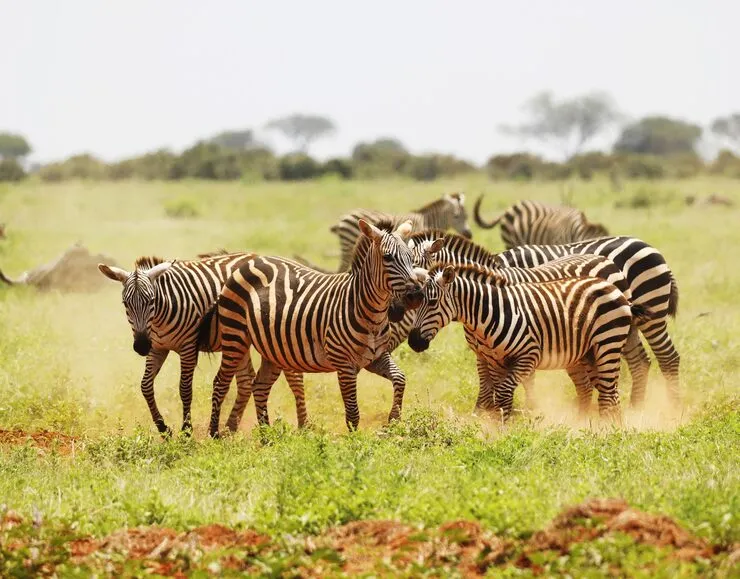

The vast plains of East Africa hold a magnetic pull for those seeking a connection with nature that transcends the ordinary. When travelers seek exclusive Tanzania safaris, they pursue more than a simple vacation; they look for a curated encounter with the wild that prioritizes privacy, comfort, and profound insight. This pursuit of excellence defines the modern high-end safari experience, where the raw beauty of the Savannah meets the sophisticated amenities of world-class hospitality.
The Essence of Privacy in the Bush
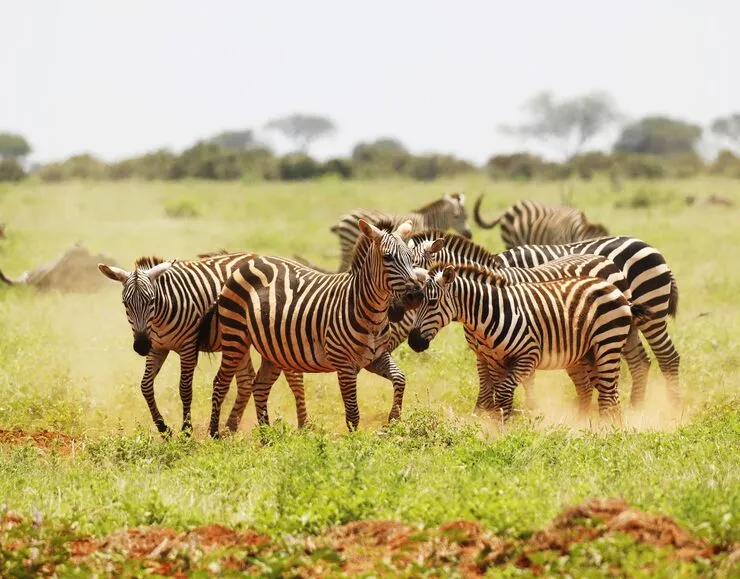
Privacy stands as the cornerstone of exclusive Tanzania safaris. Unlike standard tours where groups share vehicles and schedules, a private journey ensures that every moment aligns with the specific interests of the traveler. This customization allows for a deeper immersion into the landscape. Whether a guest wishes to spend four hours watching a single pride of lions or prefers to rise before dawn to catch the first light hitting the acacia trees, the itinerary remains flexible.
In the northern circuit, the Serengeti National Park serves as the primary stage for these elite experiences. The park spans nearly 15,000 square kilometers, yet the most refined excursions focus on private concessions. These restricted areas limit the number of vehicles, ensuring that a sighting of a leopard or a cheetah remains a quiet, intimate affair rather than a crowded spectacle.
Selecting the Perfect Season
Timing dictates the rhythm of the wilderness. To maximize the impact of exclusive Tanzania safaris, one must align their visit with the natural cycles of the environment.
- The Dry Season (June to October): This period offers the most consistent wildlife viewing. As water sources diminish, animals congregate around remaining riverbeds and waterholes. The thinning vegetation makes tracking elusive predators much easier.
- The Calving Season (January to February): In the southern Serengeti, hundreds of thousands of wildebeest give birth simultaneously. This attracts a high concentration of predators, creating a dynamic and intense environment for photography.
- The Emerald Season (November to May): While occasional rains occur, the landscape transforms into a lush, green paradise. Migratory birds arrive in spectacular numbers, and the air becomes crisp and clear, providing excellent conditions for long-range vistas.
Luxury Accommodation: Beyond Five Stars
The concept of luxury in the African bush has evolved. It no longer refers merely to silk sheets or fine china; it encompasses the "luxury of space" and the "luxury of silence." Top-tier lodges and mobile camps now offer architectural marvels that blend seamlessly into the terrain.
Many exclusive Tanzania safaris utilize permanent luxury lodges built on high ridges, offering panoramic views of the plains. These structures often feature private plunge pools, expansive decks, and floor-to-ceiling glass walls that bring the outdoors inside. Conversely, luxury mobile camps follow the Great Migration. These camps provide a more authentic "under canvas" feel without sacrificing amenities like en-suite bathrooms, hot showers, and gourmet dining.
The Great Migration: A Private Perspective
The Great Migration remains one of the most significant natural events on the planet. Over two million wildebeest, zebras, and gazelles move in a continuous loop across the Serengeti-Mara ecosystem. Witnessing a river crossing at the Mara River or the Grumeti River represents a pinnacle moment for many.
To experience this through exclusive Tanzania safaris, travelers often utilize light aircraft to move between different sectors of the park. This saves time and provides a stunning aerial view of the massive herds below. Once on the ground, expert trackers use their deep knowledge of animal behavior to position vehicles in prime spots, away from the dust and noise of larger tour groups.
The Ngorongoro Crater: A Natural Wonder
No discussion of exclusive Tanzania safaris is complete without mentioning the Ngorongoro Crater. This collapsed caldera creates a self-contained ecosystem where wildlife thrives in high densities. Because the crater floor can become busy, the exclusive approach involves staying at lodges situated directly on the crater rim.
These properties offer private access roads and allow guests to enter the crater at the earliest possible moment. Having a private picnic breakfast on the crater floor while the mist rises off Lake Magadi provides a sense of serenity that few other places can match. The crater is one of the best locations to see the endangered black rhino, a highlight for any conservation-minded traveler.
Southern and Western Circuits: The Untamed Frontier
While the north draws the most attention, the southern and western regions of the country offer a different flavor of exclusive Tanzania safaris. These areas cater to those who have visited the Serengeti before or those who crave absolute solitude.
- Nyerere National Park (formerly Selous): This park is characterized by the Great Ruaha River and a complex system of lakes and channels. It offers boat safaris, which provide a unique perspective on hippos, crocodiles, and water birds.
- Ruaha National Park: Known for its rugged beauty and massive elephant herds, Ruaha feels incredibly remote. The baobab-studded landscape creates a dramatic backdrop for viewing lions and wild dogs.
- Katavi National Park: This is for the true adventurer. During the dry season, the floodplains retreat, leaving thousands of hippos and crocodiles packed into limited water pools.
- Mahale Mountains: Located on the shores of Lake Tanganyika, this park is famous for chimpanzee trekking. The combination of forested mountains and crystal-clear lake waters creates a breathtaking contrast to the savannah.
Culinary Excellence in the Wilderness
Dining during exclusive Tanzania safaris is an event in itself. Chefs at high-end camps specialize in "bush gourmet" cuisine, utilizing fresh, locally sourced ingredients to create multi-course meals.
- Bush Breakfasts: After a morning game drive, guests might find a full kitchen set up under a lonely acacia tree, complete with freshly baked bread and made-to-order omelets.
- Sundowners: This long-standing tradition involves stopping at a scenic viewpoint as the sun sets. Guests enjoy premium beverages and appetizers while watching the sky turn shades of orange and purple.
- Boma Dinners: Many lodges feature a "boma," a traditional circular enclosure where dinner is served around a roaring fire under the stars.
Conservation and Community Impact
A vital component of exclusive Tanzania safaris involves the commitment to preserving the land and supporting local people. Many high-end operators partner with local communities to ensure that tourism revenue directly benefits education and healthcare. By choosing exclusive operators, travelers often contribute to anti-poaching initiatives and habitat restoration projects. This ethical dimension adds depth to the travel experience, knowing that your presence helps protect these fragile ecosystems for the future.
The Role of the Expert Naturalist
The quality of a safari often rests on the shoulders of the guide. In the realm of exclusive Tanzania safaris, guides are more than drivers; they are highly trained naturalists, historians, and storytellers. They possess an uncanny ability to read the tracks in the sand or the warning calls of birds to locate elusive wildlife.
Private guides tailor their commentary to the guests' level of knowledge. Whether discussing the intricate social structures of a baboon troop or the medicinal properties of a local plant, the interaction remains engaging and educational. This personalized attention ensures that every question receives a detailed answer, fostering a much deeper appreciation for the African environment.
Planning the Logistics
Organizing exclusive Tanzania safaris requires meticulous attention to detail. The logistics often involve multiple bush flights, private transfers, and specialized equipment.
- Private Charters: Utilizing private planes allows for direct travel between remote airstrips, bypassing busy commercial hubs.
- Custom Vehicles: Exclusive safaris use modified 4x4 vehicles with specialized suspension, comfortable seating, and charging stations for cameras. These vehicles are typically open-sided to provide unobstructed views.
- Specialized Interests: For those with specific hobbies, such as professional photography or birdwatching, operators can provide specialized equipment like beanbags, camera mounts, or high-end binoculars.
Walking Safaris: A Different Perspective
For a truly intimate encounter, many exclusive Tanzania safaris incorporate walking tours. Accompanied by an armed ranger and an expert tracker, guests move through the bush on foot. This allows for a focus on the smaller details that are often missed from a vehicle: the intricate design of a spider's web, the scent of wild sage, or the identification of various animal tracks. Walking through the same space as big game heightens the senses and creates a visceral connection to the land.
The Coastal Extension: Zanzibar and Beyond
Many travelers conclude their exclusive Tanzania safaris with a retreat to the coast. The Zanzibar Archipelago, with its white-sand beaches and turquoise waters, offers the perfect counterpoint to the dusty plains.
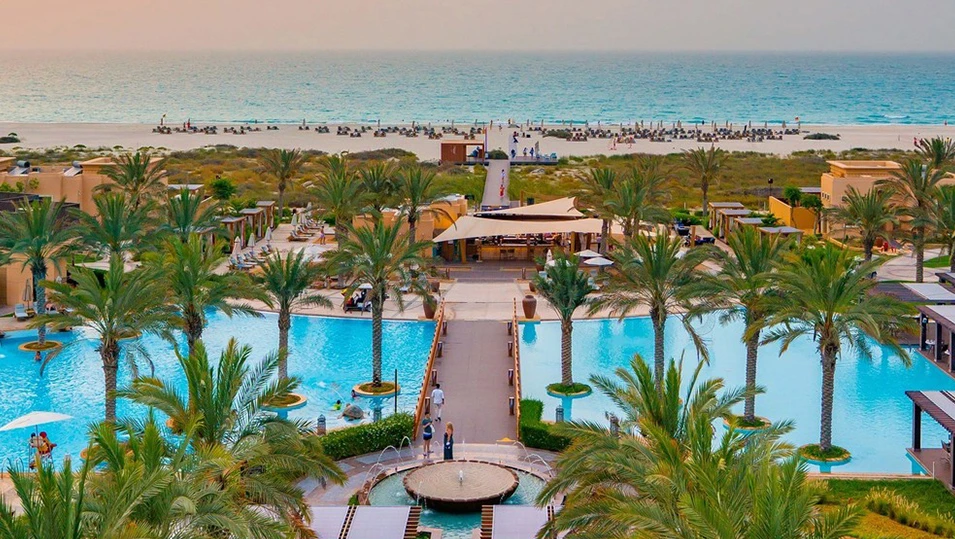
Exclusive beach resorts provide private villas with direct ocean access. Here, the focus shifts to relaxation, dhow sailing, and snorkeling in coral reefs. Stone Town, a UNESCO World Heritage site, offers a rich cultural experience with its winding alleys and historic spice markets. This combination of "bush and beach" ensures a well-rounded Tanzanian experience that caters to both the spirit of adventure and the need for rejuvenation.
Photographic Safaris
For photography enthusiasts, exclusive Tanzania safaris provide the ideal platform to capture world-class images. Private vehicles mean photographers can stay at a sighting for as long as necessary to get the perfect shot. Many guides are themselves accomplished photographers who understand light, composition, and animal positioning. Some camps even offer specialized photographic hides, allowing for eye-level shots of wildlife at waterholes without disturbing the animals.
Balloon Safaris: A Bird's Eye View
Floating silently over the Serengeti at dawn in a hot air balloon is a highlight of many exclusive Tanzania safaris. As the sun peeks over the horizon, the golden light illuminates the vast herds moving across the plains. The perspective from above reveals the scale of the landscape and the intricate patterns of animal trails. Upon landing, a traditional champagne breakfast awaits in the middle of the wilderness, capping off an unforgettable morning.
Cultural Encounters with Integrity
Interacting with local tribes, such as the Maasai or the Hadzabe, is a profound part of the journey. In the context of exclusive Tanzania safaris, these encounters are handled with the utmost respect and authenticity. Rather than visiting "tourist villages," private guests may be invited to more authentic settlements where they can witness daily life, traditional ceremonies, and ancient skills like fire-making or beadwork. These interactions promote mutual respect and provide a window into cultures that have coexisted with wildlife for centuries.
Health and Safety in the Wild
Travelers can feel confident during exclusive Tanzania safaris due to the high standards of safety and medical support. Most remote camps have 24-hour communication links and access to emergency evacuation services if needed. Lodges maintain rigorous hygiene standards, and private chefs cater to all dietary requirements with precision. This safety net allows guests to fully immerse themselves in the adventure without worry.
The Value of Seamless Service
What truly sets exclusive Tanzania safaris apart is the "invisible" service. It is the cold towel waiting after a dusty drive, the favorite drink prepared without asking, or the hot water bottle tucked into the bed on a chilly night. This level of anticipation and care ensures that the traveler feels completely looked after, allowing the focus to remain entirely on the magic of the African wild.
FAQs
1. What makes exclusive Tanzania safaris different from standard tours?
These safaris prioritize total customization, private vehicles, and elite accommodations. Instead of following a rigid group schedule, you dictate the pace of your day. You have a dedicated expert guide who focuses entirely on your interests, whether that is photography, birding, or tracking specific predators in private concessions.
2. Is it safe to bring children on exclusive Tanzania safaris?
Yes, many luxury lodges cater specifically to families. They offer private family suites, specialized "Junior Ranger" programs, and kid-friendly menus. Having a private vehicle is particularly beneficial for families, as it allows for shorter game drives and flexible timing to suit the needs of younger travelers.
3. What should I pack for a high-end Tanzanian safari?
Pack light, breathable clothing in neutral tones like khaki, olive, or beige. Avoid bright colors and dark blue or black, which can attract tsetse flies. Include a warm jacket for early morning drives, high-quality binoculars, a good camera, and sturdy walking shoes. Most luxury camps provide laundry services daily.
4. How do I reach the remote camps in the Serengeti or Ruaha?
Most exclusive Tanzania safaris utilize light aircraft transfers. Small planes fly between regional hubs like Arusha or Dar es Salaam and bush airstrips located near the camps. This saves hours of bumpy road travel and provides spectacular aerial views of the various national parks and geological features.
5. What is the best time to see the Great Migration?
The movement depends on rainfall, but generally, the herds are in the southern Serengeti for calving in January and February. They move north through the central Serengeti from April to June and reach the northern Serengeti for the dramatic Mara River crossings between July and October.
6. Do I need specific vaccinations for Tanzania?
Consult a travel clinic well in advance. Common recommendations include Yellow Fever (required if entering from certain countries), Typhoid, and Hepatitis A and B. Malaria prophylaxis is strongly advised for most regions in Tanzania. Always ensure your routine vaccinations, like Tetanus, are up to date before departure.
7. Can I experience a safari if I have mobility issues?
Absolutely. Many luxury lodges are designed with accessibility in mind, offering ramps and spacious rooms. Private vehicles can be modified to assist with boarding. Because exclusive Tanzania safaris are private, the entire itinerary can be adjusted to minimize physical strain while still providing exceptional wildlife viewing opportunities.
8. What kind of food is served at luxury bush camps?
Expect world-class dining that rivals urban fine-dining establishments. Chefs prepare fresh, three-course meals ranging from local Tanzanian specialties to international cuisine. Dietary restrictions, such as vegan, gluten-free, or kosher requirements, are easily accommodated with prior notice. Fresh fruit, vegetables, and premium meats are flown in regularly.
9. Is there internet access in the middle of the wilderness?
Most high-end lodges and permanent camps provide Wi-Fi in the main lounge areas, and some even offer it in the guest tents. However, the connection may be slower than in cities. Many guests find that the "digital detox" enhances the experience of exclusive Tanzania safaris, allowing for a better connection with nature.
10. How long should an ideal exclusive safari last?
To truly appreciate the diversity of the landscape, a duration of 7 to 12 days is recommended. This allows for a combination of different ecosystems, such as the Ngorongoro Crater and the Serengeti, with perhaps a few days at the end for relaxation on the beaches of Zanzibar.




















Sign in to leave a comment.