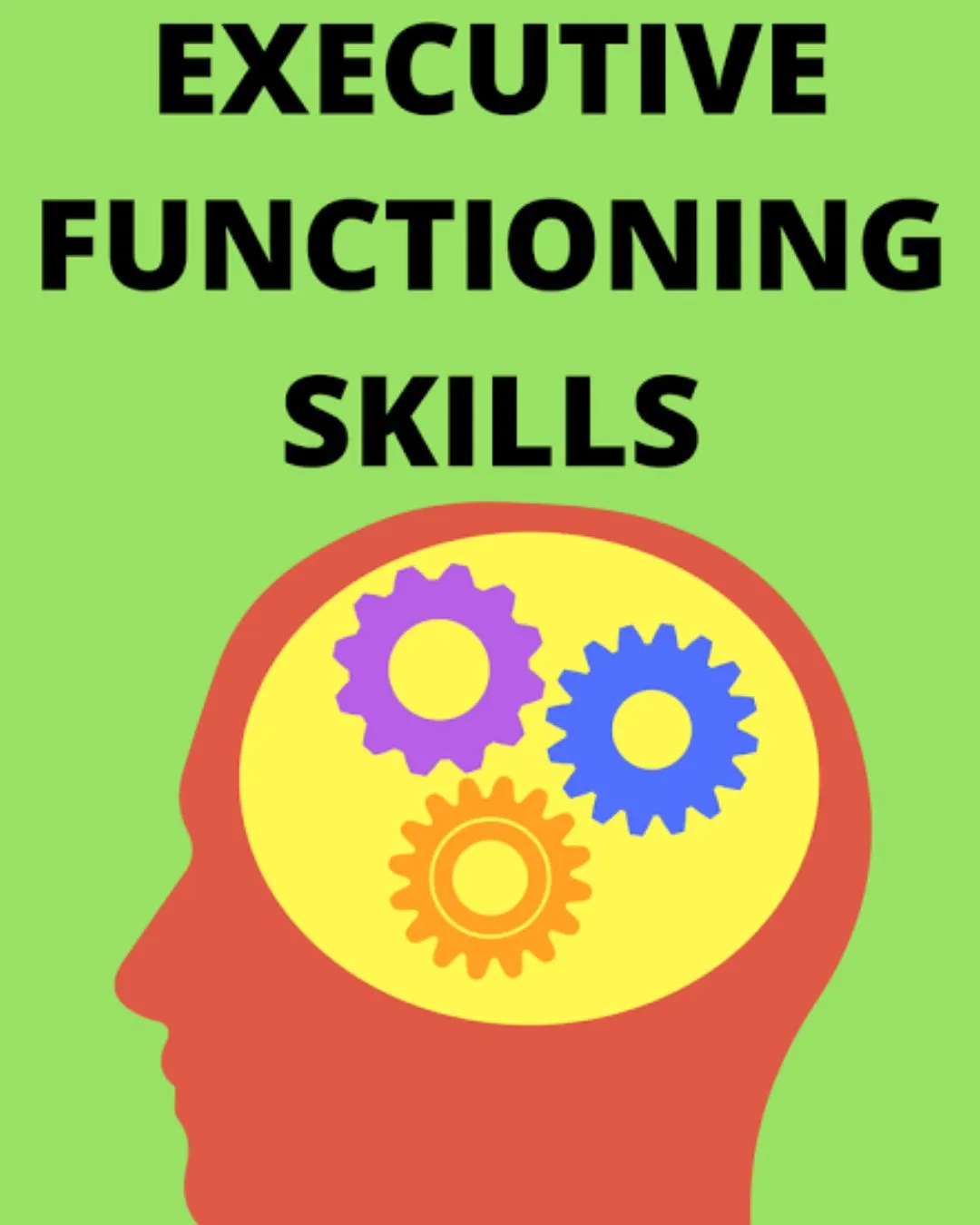

Helping children become organized, confident, and independent starts with developing everyday life skills. Two important areas parents and educators can focus on are executive function skills for kids and responsibility. These skills help children manage their time, control emotions, solve problems, and complete tasks independently.
What Are Executive Function Skills for Kids?
Executive function skills are mental abilities that help children plan, focus, remember instructions, manage emotions, and make thoughtful decisions. While these skills develop naturally as children grow, regular practice can strengthen them.
Key executive function skills include:
- Planning: Understanding what needs to be done and deciding how to do it.
- Working memory: Remembering information while completing a task.
- Self-control: Pausing before reacting or making a decision.
- Time management: Understanding how long tasks may take.
- Flexibility: Adjusting when plans change.
- Organization: Keeping belongings, activities, and ideas in order.
These skills are useful at school, at home, and in social situations.
Why Responsibility Matters for Children
Giving children age-appropriate responsibilities helps them understand that their actions have an impact. Simple household tasks can teach valuable lessons about consistency, independence, and accountability.
Instead of completing every task for your child, give them opportunities to try, make mistakes, and improve. The goal is not perfection—it is helping children gradually become more capable.
Simple Responsibility Activities for Kids
Here are practical responsibility activities for kids that can easily become part of a daily routine:
1. Create a Morning Checklist
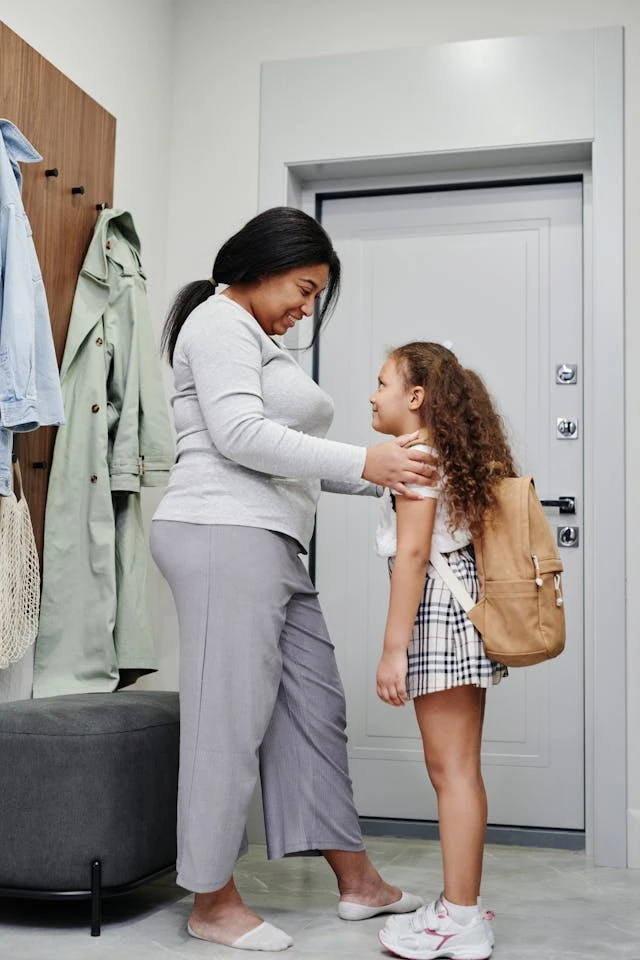
Ask your child to make a simple checklist for getting ready. It might include brushing teeth, getting dressed, packing a school bag, and checking homework.
This activity encourages planning, organization, and working memory.
2. Give Them a Household Job
Choose an age-appropriate chore, such as putting away toys, feeding a pet, setting the table, or organizing books. Assigning a regular responsibility helps children understand the importance of completing tasks consistently.
3. Use a Weekly Planner
A colorful weekly planner can help children see upcoming activities, homework, appointments, or family events. Encourage them to mark completed tasks themselves.
This makes time management more visual and easier to understand.
4. Let Kids Make Small Decisions
Offer choices whenever appropriate. For example, ask whether they want to complete homework before or after a snack. Making small decisions helps children practice problem-solving and understand consequences.
5. Encourage Problem-Solving
When your child faces a challenge, avoid immediately providing the solution. Ask questions such as, “What could you try?” or “What do you think would happen?”
This encourages flexible thinking and independence.
How Parents Can Make These Activities Successful
Keep expectations realistic and match responsibilities to your child's age and abilities. Give clear instructions, demonstrate unfamiliar tasks, and provide positive feedback for effort.
It can also help to establish consistent routines. Children are more likely to develop strong habits when they know what is expected of them each day.
Most importantly, allow children enough time to practice. Executive function and responsibility skills develop gradually through repetition and real-life experiences.
Building Independent and Confident Kids
Developing executive function and responsibility does not require complicated lessons. Everyday activities—getting ready for school, organizing belongings, completing chores, planning activities, and solving small problems—can become valuable learning opportunities.
By giving children appropriate responsibilities and encouraging them to think through tasks independently, parents and educators can help build skills that support academic success, emotional growth, and everyday independence.























Sign in to leave a comment.