
Introduction
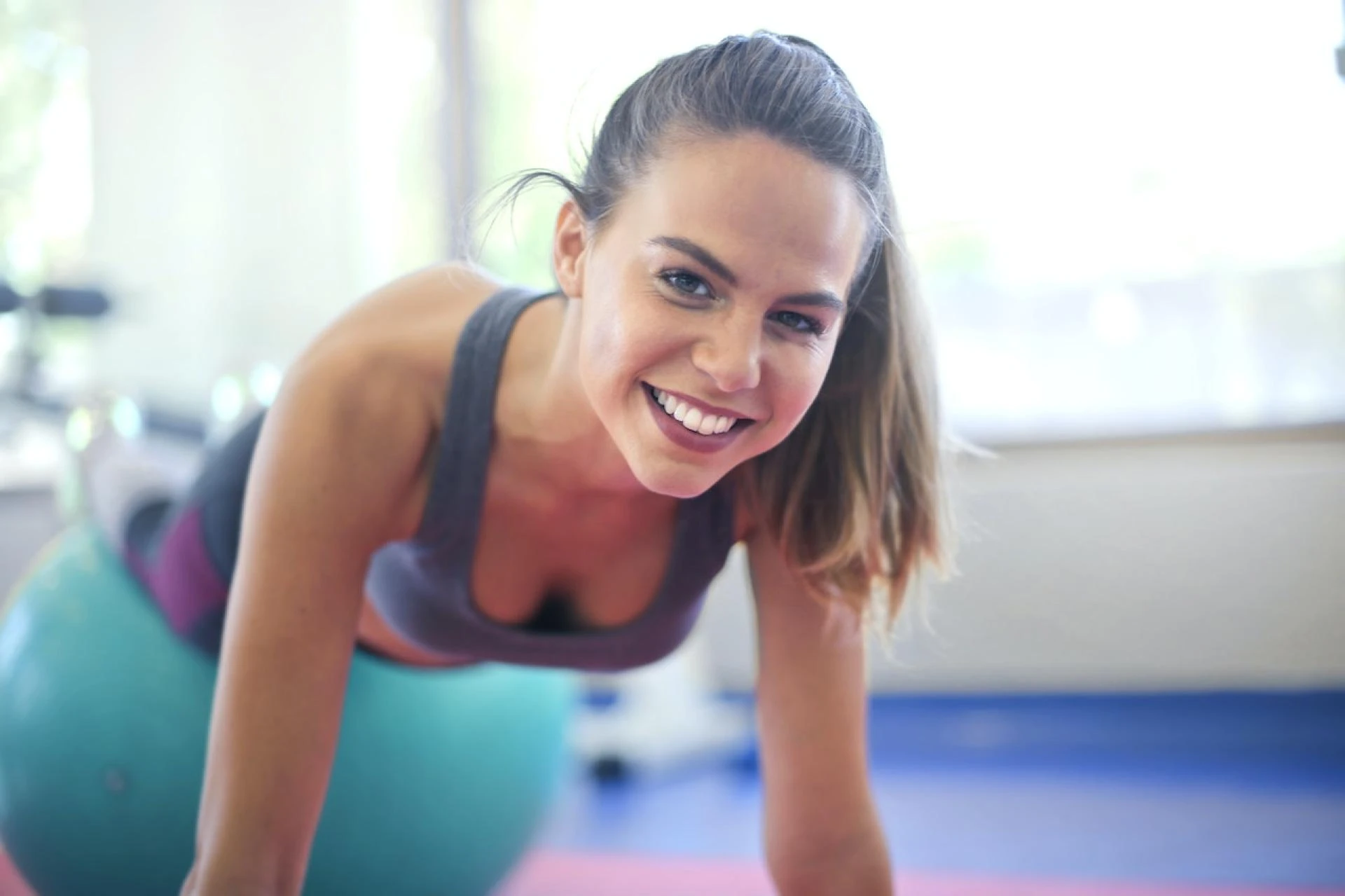
Pregnancy is an incredible journey filled with joy and anticipation. It's essential for expectant mothers to prioritize their health and well-being throughout this transformative time. Regular exercise is beneficial during pregnancy, but it is crucial to be aware of the exercises to avoid during the first trimester. This critical period requires extra caution and specific modifications to ensure the safety and well-being of both the mother and the developing baby.
Understanding the First Trimester
The first trimester of pregnancy spans from conception to about 12 weeks. During this time, the fetus undergoes significant growth and development, including the formation of vital organs and body systems. The first trimester is also a crucial period for implantation, during which the pregnancy is most vulnerable to external influences.
Exercise Benefits During Pregnancy
Engaging in moderate exercise during pregnancy has numerous benefits. Regular physical activity can help maintain a healthy weight, alleviate common pregnancy discomforts, boost energy levels, improve mood, and promote better sleep. It can also reduce the risk of gestational diabetes, preeclampsia, and cesarean delivery. However, it is important to choose exercises that are safe and appropriate for each stage of pregnancy.
Exercises to Avoid during the First Trimester
High-impact activities: Exercises that involve jumping, bouncing, or sudden movements, such as running, jumping jacks, or high-intensity interval training (HIIT), should be avoided during the first trimester. These activities can increase the risk of falls, strains, and potential harm to the developing fetus. Contact sports: Sports that involve physical contact or a risk of injury, such as soccer, basketball, or martial arts, should be avoided during pregnancy. The abdomen is particularly vulnerable during the first trimester, and any blows or impacts could pose a risk to the baby. Abdominal exercises: Traditional abdominal exercises like sit-ups, crunches, and planks should be avoided during the first trimester. These exercises put excessive strain on the abdominal muscles and can hinder the natural expansion of the uterus. However, gentle core-strengthening exercises, such as pelvic tilts and modified Pilates or yoga poses, can be done with the guidance of a prenatal fitness specialist. Heavy weightlifting: Activities that involve heavy weights or require significant exertion, such as powerlifting or weightlifting, should be avoided during pregnancy. These exercises can strain the back and pelvic floor muscles, potentially leading to complications and discomfort. Hot yoga or hot Pilates: Avoid exercising in excessively hot environments, such as hot yoga studios or saunas. Overheating can be harmful to the developing baby, especially during the first trimester when the baby's organs are still forming. Opt for cooler environments and gentle, prenatal-specific yoga or Pilates classes instead.
Safe Alternatives and Recommendations
During the first trimester, it is best to focus on low-impact exercises that promote flexibility, strength, and cardiovascular health without excessive strain. Recommended activities include walking, swimming, stationary cycling, prenatal yoga, and modified Pilates. These exercises are generally safe and can be beneficial for both the mother and the baby.
It is important to consult with a healthcare provider before starting or continuing any exercise routine during pregnancy. They can provide personalized guidance, taking into consideration individual health status, previous exercise habits, and any specific risk factors.
Conclusion
Staying active during pregnancy is essential for maintaining overall health and well-being. However, exercising safely during the first trimester is of utmost importance to support the healthy development of the baby and to prevent any potential risks or complications. By avoiding high-impact exercises, contact sports, heavy weightlifting, and excessive heat, expectant mothers can navigate this transformative period with confidence, ensuring a safe and healthy journey for both themselves and their little ones.



























Sign in to leave a comment.