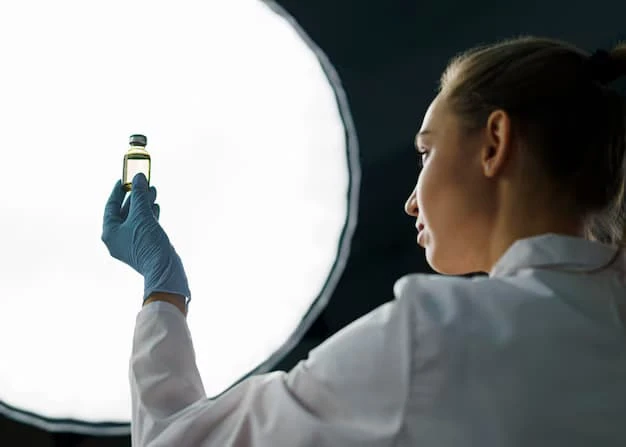

Regenerative medicine is advancing rapidly, and many individuals are now considering exosome stem cell therapy Birmingham as an option for skin rejuvenation, tissue repair, and aesthetic enhancement. Located in Birmingham, specialised clinics are beginning to offer treatments based on exosomes derived from stem-cell lines. This article explains what exosome stem cell therapy is, how it works, what applications and risks to consider, and how one might explore this cutting-edge option locally.
What Are Exosomes?
Definition and Function
Exosomes are tiny lipid-bilayer vesicles released by cells, including stem cells, which carry proteins, messenger RNA, microRNA and signalling molecules. They serve as cellular messengers, influencing neighbouring or distant cells by transferring their cargo, thereby altering behaviour such as tissue regeneration or immune response.
Exosomes Versus Stem Cells
Unlike traditional stem cell therapy—which involves transplanting living cells—exosome therapy uses acellular vesicles extracted from stem-cell cultures. Because exosomes do not contain full cells and lack the ability to replicate, they carry lower risk of tumour formation or immune rejection. Researchers describe exosome therapy as a “cell-free” alternative that retains many of the beneficial signals of stem cells without several of the safety concerns.
How Exosome Stem Cell Therapy Works
Mechanism of Action
When administered, exosomes deliver their molecular cargo into target tissues. This triggers repair processes such as collagen synthesis, reduction in inflammation, cellular proliferation and improved tissue microenvironment. In aesthetic applications, this can mean smoother skin, improved tone and renewal of damaged tissue.
Ways of Administration
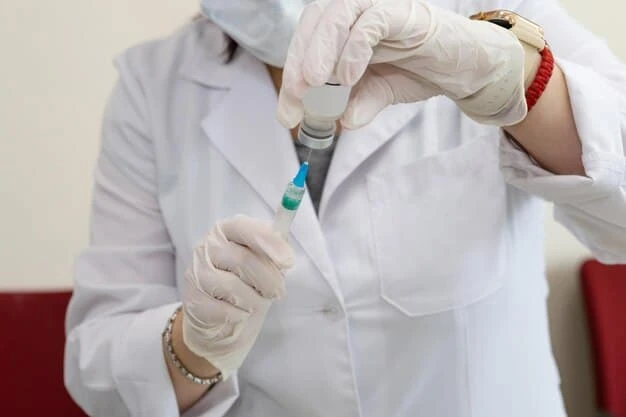
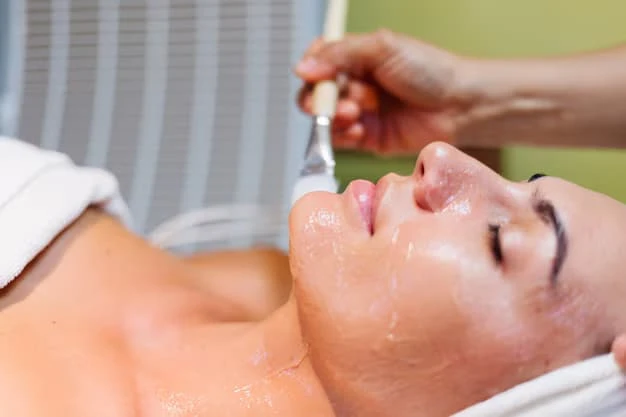
Depending on the treatment goal, exosomes may be delivered via injection, topical application, or during other procedures that create micro-channels (for example microneedling) to enhance absorption. The exact delivery method depends on the area treated, skin condition and desired outcome.
Applications of Exosome Stem Cell Therapy
Aesthetic and Dermatology Uses
In the cosmetic field, exosome therapy is used for skin rejuvenation, to treat fine lines, pigmentation irregularities, poor texture, and for post-procedure support (such as after lasers or peels). Some studies highlight the ability of exosomes to boost collagen and elastin production, promoting smoother and firmer skin.
Tissue Repair and Regeneration
Beyond aesthetics, exosome research is exploring applications such as wound healing, bone repair, joint health and various surgical applications. The regenerative signalling carried by exosomes makes them promising in multiple fields of medicine.
What to Expect During a Treatment
Initial Consultation and Assessment
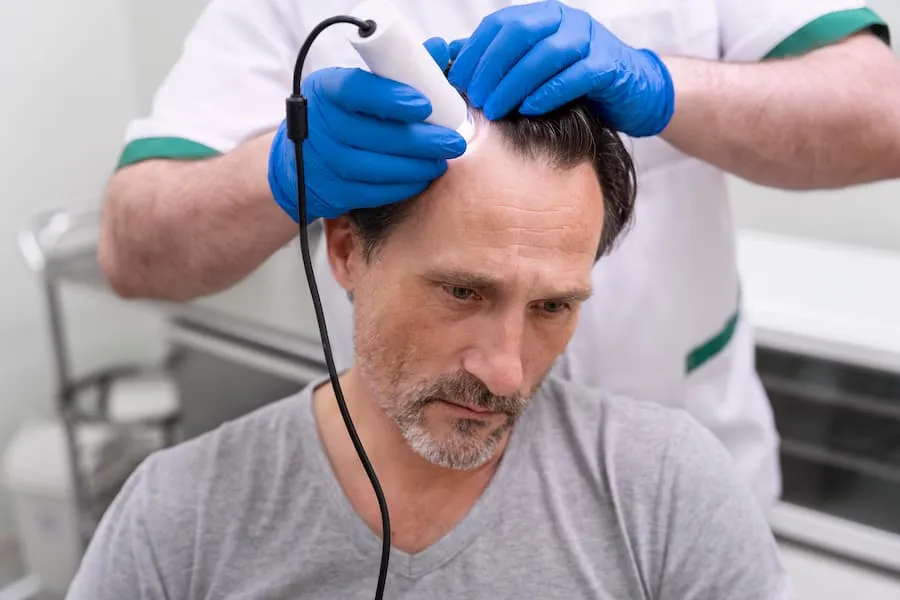
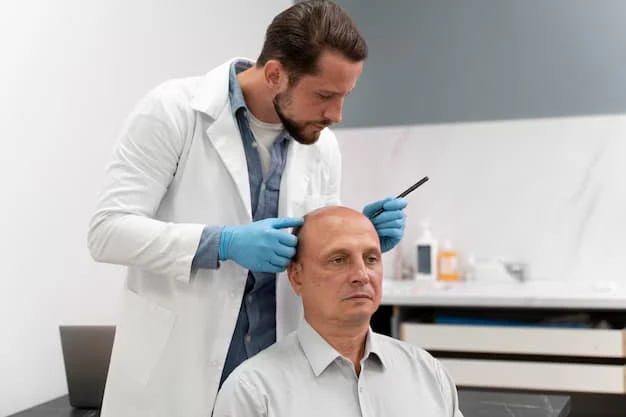
Before proceeding with therapy, a specialised clinic in Birmingham will assess the patient’s skin, overall health, aesthetic goals, and suitability for treatment. This involves discussing expectations, potential benefits and limitations.
Treatment Session
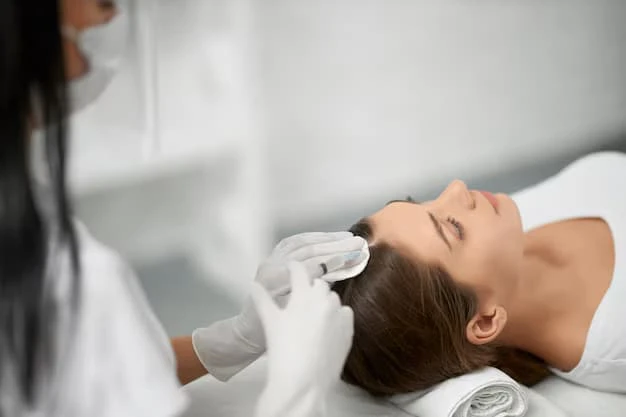
During the session, the practitioner will deliver the exosome-based product to the target area. Depending on the method, there may be numbing, and the procedure may be combined with microneedling or other supporting treatments to maximise penetration.
Aftercare and Recovery
Recovery tends to be relatively quick, given the non-invasive or minimally invasive nature of many of these treatments. Patients are often advised to follow careful aftercare including gentle skincare, sun protection and avoiding harsh products for a short period to allow the skin to heal and benefit from the regenerative process.
Benefits of Exosome Stem Cell Therapy
Enhanced Skin Quality and Texture
Patients may notice improved smoothness, reduced fine lines, more even tone, and overall fresher appearance as a result of the regenerative effects of exosomes.
Lower Risk Profile Compared to Cell-Based Therapies
Because exosomes are not living cells, the risks of immune rejection or uncontrolled cell growth are lower.
Complementary to Other Treatments
This therapy can be combined with other aesthetic procedures to enhance or prolong outcomes, for example after laser treatments, chemical peels or dermal therapies.
Important Considerations and Limitations
Innovation and Evidence Base
Although exosomes are promising, many applications remain investigational. Reviews note that while stem cell-derived exosomes show potential, rigorous clinical trials and long-term data are still emerging.
Regulatory and Safety Factors
In the UK and Europe there are regulations governing biologic therapies and cell-derived products. Ensuring a clinic follows legal requirements, uses clinically validated products and adheres to safety standards is essential. Some reports have raised concerns about unregulated exosome treatments and safety.
Cost and Realistic Expectations
Given the advanced nature of the therapy, costs may be higher than standard dermatology treatments. Additionally, outcomes can vary and multiple sessions may be required to achieve desired effects. Patients should have realistic expectations and understand that results are gradual.
Suitability
Not everyone is a candidate. Patients with certain health conditions or who are on specific medications may need alternative approaches. A full medical history and assessment are crucial.
Choosing a Clinic for Exosome Stem Cell Therapy in Birmingham
Practitioner Expertise and Credentials
Look for a clinic with trained professionals dermatologists, medical aesthetic doctors or skincare specialists—who understand regenerative therapies and can explain benefits, risks and alternative options.
Treatment Environment and Product Transparency
A reputable clinic should use clinically validated exosome products, disclose their sourcing and manufacturing standards, and operate in a clean medical setting with appropriate licensing.
Consultation and Follow-Up Support
Good practice involves pre-treatment counselling, clear aftercare instructions, and follow-up visits to monitor results and address any concerns.
Reviewing Evidence and Outcomes
Ask to view before-and-after results from comparable patients, and seek independent reviews or testimonials about the clinic’s experience with exosome therapies.
Future Outlook of Exosome Stem Cell Therapy
Expanding Research and Applications
Scientific publications suggest that exosomes may soon play larger roles in regenerative medicine, not just aesthetics. They have features making them strong candidates for tissue repair, controlled delivery systems and targeted therapies.
Wider Access and Refined Protocols
As research advances, protocols may become more standardised and cost-effective, enabling broader access to exosome-based treatments. Monitoring of long-term outcomes will guide best practices.
Conclusion
Exosome stem cell therapy in Birmingham offers an exciting and advanced approach to skin rejuvenation and tissue repair by leveraging the regenerative signalling held within exosomes. While it is not a miracle cure and does come with considerations around evidence, regulation and suitability, it presents a non-cellular alternative to traditional stem cell therapies with lower risk and meaningful potential benefits. For individuals seeking to explore this next-generation solution, Este Medical Group Birmingham provides professional guidance, tailored assessment and appropriate care to help navigate the treatment safely and effectively.
























Sign in to leave a comment.