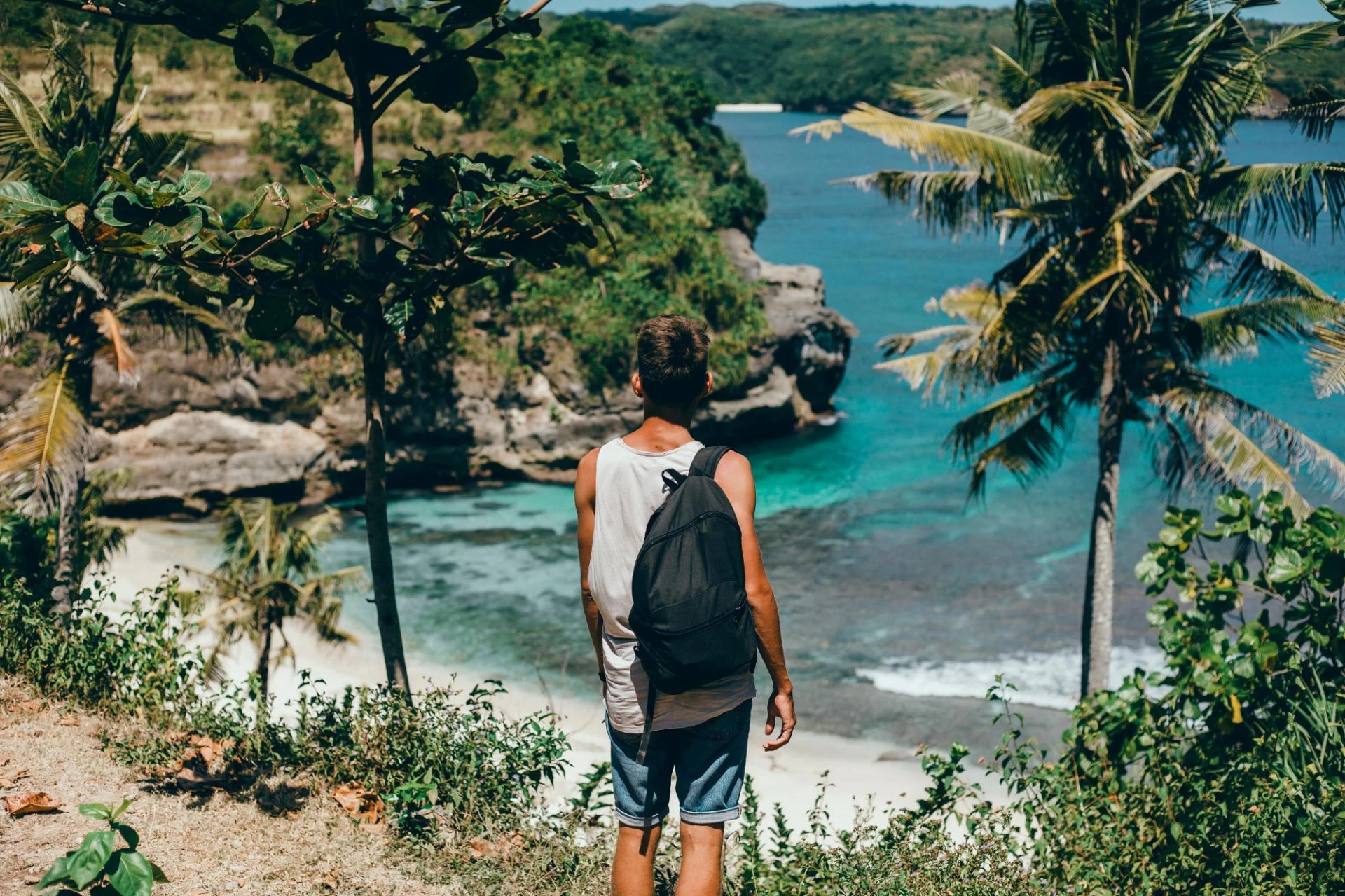

The islands of the world are more than just picturesque landscapes and pristine beaches. Each island carries a rich tapestry of history, traditions, and cultural uniqueness that often reflects centuries of human development, migration, and adaptation. Experiencing the unique cultures of the islands is an immersive journey that goes beyond sightseeing. It is an opportunity to connect with the local way of life, celebrate diversity, and understand the intricate bond between people and their environment. From the Caribbean to the South Pacific, from the Mediterranean to Southeast Asia, every island has a story to tell.
The Cultural Significance of Islands
Islands have historically been melting pots of culture. Their geographical isolation often leads to the development of distinct customs, languages, and art forms. At the same time, their position as trade hubs or colonial outposts exposes them to foreign influences, creating a unique blend of tradition and adaptation. This duality makes island cultures exceptionally fascinating.
For example, in the Caribbean, African, European, and indigenous influences coexist in music, dance, and cuisine. In the Mediterranean, islands like Sicily or Crete combine ancient traditions with modern lifestyles, giving visitors a window into both historical and contemporary practices. Meanwhile, islands in the Pacific, such as Fiji or Tahiti, are living testaments to Polynesian heritage, showcasing elaborate rituals, dances, and crafts that have been preserved for centuries.
Festivals: The Heartbeat of Island Culture
One of the most vibrant ways to experience island culture is through local festivals. Festivals are not only celebrations; they are living expressions of a community’s identity and values.
In the Caribbean, Carnival is a must-experience. Held annually in islands like Trinidad and Tobago, it is a dazzling display of music, dance, and costume-making that traces its roots back to African and European traditions. Here, masqueraders in colorful costumes parade through streets filled with the infectious rhythms of soca and calypso music. For travelers, participating in such festivities offers more than just entertainment; it is an entry point into the island’s historical narratives and social fabric.
Similarly, Japan’s Okinawa Island celebrates the “Shuri Castle Festival,” highlighting the Ryukyu Kingdom’s cultural legacy through traditional music, dance, and martial arts demonstrations. Visitors witness rituals that have been performed for centuries, gaining insight into the values, artistry, and history that continue to shape Okinawan identity.
In Europe, Spain’s Mallorca and Menorca islands host lively summer festivals that mix religious observances with local traditions, featuring parades, horse riding events, and communal feasts. Experiencing these festivals allows travelers to witness how islands preserve age-old customs while adapting them to contemporary life.
Music and Dance: Rhythms of Island Life
Island music is a reflection of history, geography, and human creativity. Each island often has its own signature sound that speaks volumes about its culture. In the Caribbean, reggae, calypso, and salsa are not just music genres; they are a testament to the resilience, creativity, and storytelling of the people. In Jamaica, reggae conveys social commentary and spiritual reflection, while the salsa rhythms of Puerto Rico are inseparable from the island’s vibrant dance culture.
Pacific islands, such as Hawaii and Tahiti, offer mesmerizing traditional dances that combine storytelling with movement. The Hawaiian hula, for example, is a narrative dance that communicates stories of the land, gods, and ancestors through intricate hand movements and chants. Similarly, Tahitian dance features dynamic hip movements and dramatic performances that celebrate fertility, nature, and communal life.
These musical and dance traditions are more than performances for tourists; they are living, breathing aspects of daily life, preserving oral histories and fostering community cohesion. Travelers who engage with local musicians and dancers often find that the music is a gateway to understanding the island’s soul.
Cuisine: A Taste of Tradition
Food is an essential component of culture, and island cuisine offers a rich culinary journey. Each island’s food reflects its natural resources, climate, and historical interactions with other cultures. Sampling local cuisine provides a sensory entry point into island life.
In the Caribbean, dishes like jerk chicken, pepperpot, and conch fritters combine indigenous ingredients with African and European cooking techniques. Street food markets in Jamaica, Barbados, or the Bahamas serve not only as a culinary delight but also as a social space where locals and visitors interact.
In Southeast Asia, islands like Bali or Phuket are famous for aromatic dishes such as nasi goreng, satay, and fresh seafood curries. Food here is a blend of local ingredients and centuries of trade influences, creating flavors that are both distinctive and deeply connected to the land and sea.
The Mediterranean islands, including Sardinia and Crete, offer a contrasting culinary experience characterized by fresh produce, olive oil, seafood, and traditional baking methods. Food is often tied to the season and the harvest, reflecting an intimate relationship between the island’s inhabitants and their environment.
Craftsmanship and Art: Expressions of Identity
Islands are home to exceptional craftsmanship and art that are often tied to spiritual or cultural beliefs. Visitors can experience these through local markets, workshops, or galleries.
In the Pacific, Fijian and Tongan mats, baskets, and carvings are more than decorative; they convey social status, ancestral lineage, and cultural narratives. Similarly, in Indonesia’s Bali, intricate wood carvings, paintings, and traditional textiles like batik serve as both artistic expression and cultural preservation.
Even small islands like Malta or the Greek Isles showcase centuries-old architectural and artistic traditions. From hand-painted ceramics to religious iconography and coastal mosaics, these crafts reflect the history, spirituality, and daily life of their communities.
Engaging with local artisans allows visitors to witness traditional techniques, understand cultural symbolism, and often participate in creating a piece of art themselves, a tangible memory of their cultural immersion.
Language: The Pulse of Tradition
Language is a vital thread in the fabric of island culture. Many islands have unique dialects or languages that carry centuries of history. In the Caribbean, Creole languages reflect a fusion of African, European, and indigenous influences. On Pacific islands, Polynesian languages such as Hawaiian, Samoan, and Tahitian preserve oral histories, genealogies, and traditional knowledge.
Learning a few local phrases or listening to native speakers enriches the travel experience and fosters respect for the island’s heritage. Language connects travelers to local stories, songs, and customs in ways that transcend visual observation alone.
Planning a Cultural Journey
Choosing an island to visit for cultural exploration depends on your interests. Whether it’s participating in a festival, learning traditional crafts, or tasting local cuisine, each island offers unique opportunities. Islands such as Bali, Cuba, Sicily, and Tahiti are just a few examples where culture thrives alongside natural beauty. Planning a visit around cultural activities rather than just sightseeing allows travelers to experience an authentic slice of island life.
For instance, Bali offers not only stunning beaches but also temple ceremonies, dance performances, and traditional art workshops. Similarly, Cuba’s cities and towns pulse with music, dance, and history that reveal the island’s soul far beyond its tourist attractions. By selecting an island with rich cultural experiences, travelers gain insights that are both memorable and transformative.
Sustainable Tourism and Cultural Preservation
Experiencing island culture responsibly is crucial. Many island communities face challenges such as environmental degradation, over-tourism, and cultural commodification. Travelers can make a positive impact by supporting local businesses, participating in cultural workshops, and respecting traditional customs and natural environments.
For example, choosing locally-owned accommodations, dining at family-run restaurants, and buying handcrafted souvenirs directly from artisans help sustain the island’s economy and preserve its cultural heritage. Additionally, being mindful of cultural norms, such as dress codes for temples or respectful behavior during festivals, ensures that interactions are mutually enriching rather than exploitative.
Conclusion
The allure of islands extends far beyond their natural beauty. Experiencing the unique cultures of the islands is a journey that touches every sense, sight, sound, taste, and touch. It requires curiosity, openness, and respect, but the rewards are immense. Travelers gain not only memories but also a deeper understanding of humanity’s adaptability, creativity, and resilience.
From festivals and music to cuisine, art, and language, island cultures offer a window into the soul of communities that have thrived for centuries in often isolated and challenging environments. By engaging authentically with these cultures, visitors not only enrich their own lives but also contribute to the preservation and celebration of traditions that define the essence of islands worldwide.
Whether you are dancing to the rhythms of a Caribbean carnival, savoring the flavors of a Mediterranean feast, or learning the ancient arts of a Pacific island, the journey promises to be unforgettable. Every island has its own story, waiting to be discovered, and experiencing its culture is the key to truly understanding its heart.


























Sign in to leave a comment.