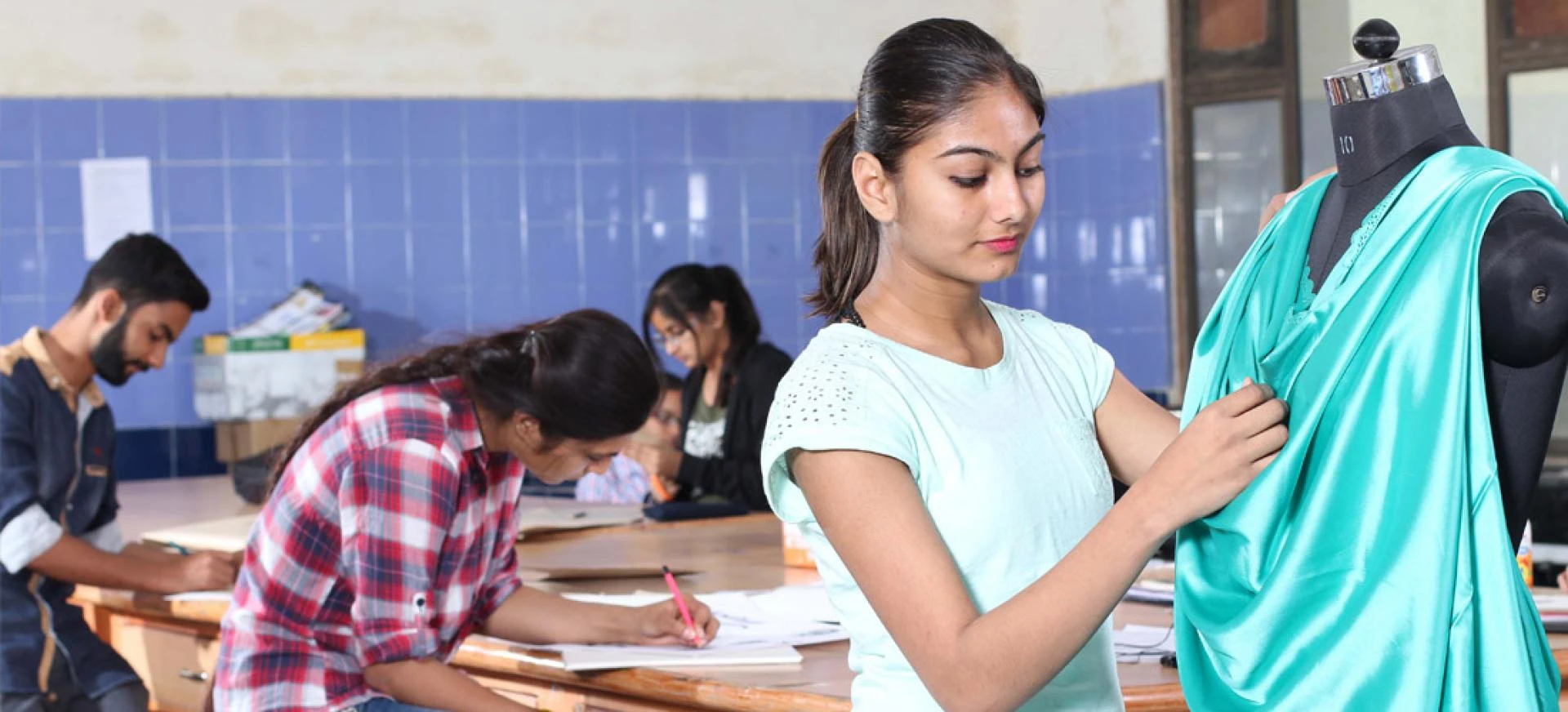

Technology and commerce are combined with creativity in the fashion design masters programs today to create endless possibilities in fashioning in the future. It is not just an art but a transformative journey that helps students develop and refine their skills and styles and augment industry standards.
Ideally, the bachelor of design in fashion design program unlocks career doors in high fashion, tech-integrated design, and entrepreneurship. Students gain strategic, creative, and managerial skill sets beyond what undergraduate training typically provides. With fashion evolving rapidly, postgraduate specialisation is increasingly seen as a smart investment.
This article explores how a master’s in fashion design can drive dynamic, diverse career growth.
Skill Development that Translates Across Industries
Beyond sketches and textiles, a fashion master’s education equips students with real-world, cross-functional capabilities. Students gain mastery in advanced garment construction and experimental design, receive training in digital tools, and gain a deep understanding of textile science, material innovation, and sustainable fabrics.
It also helps develop project management skills for running design teams and meeting production timelines, and professional communication for brand storytelling and client collaboration with interdisciplinary exposure to marketing, psychology, and business analytics.
High-Level Job Roles Beyond Entry Level
Graduates don't start here from scratch but often leap directly into mid to senior positions across domains. They become Fashion Creative Director or Design Manager for global or boutique brands, Product Developer or Merchandiser at high-end or mass-market companies, Fashion Forecaster and Trend Analyst for agencies or consulting firms, Sustainable Fashion Consultant shaping eco-conscious collections, Fashion Buyer or Category Manager in retail and e-commerce, and UX/UI Fashion Tech Designer working on wearables or virtual garments.
Global Industry Exposure and International Networking
Master’s programs often come with global immersion opportunities and help in building connections that last a lifetime. It allows for participation in international fashion weeks, expos, and trade fairs, internships with global luxury houses and design ateliers, and joint projects with partner institutions in Europe, Asia, or the U.S.
Guest lectures and mentorships by global design leaders and industry icons, collaborative studio experiences with multinational peers, and global alumni networks provide cross-border job and business opportunities.
Launchpad for Entrepreneurship and Independent Labels
Armed with deep technical know-how and business strategy, many graduates launch their labels or ventures. They get business incubation support through fashion schools’ entrepreneurship cells and training in startup financing, brand identity, and retail planning.
The program helps develop skills in e-commerce and digital fashion marketing, building direct-to-consumer fashion lines using Shopify or custom platforms, provides access to industry investors, mentors, and seed funding programs, and enhances legal and licensing knowledge for IP protection and brand security.
Tech-Driven Career Paths in the Future of Fashion
The fashion-tech crossover is creating futuristic jobs, and master’s grads are well-positioned to lead innovation. Students gain knowledge of 3D garment visualisation and virtual fashion design for metaverse spaces, AI-powered trend prediction and data-driven collection development, and integration of wearable tech and smart textiles into design workflows.
Fashion-focused AR/VR content creation for retail and branding, sustainable fashion innovation using biotech and zero-waste techniques, and fashion supply chain optimisation through blockchain and digital tools also enhance their skills.
Opportunities in Academia, Research, and Policy
Not all roads lead to the runway, as fashion master’s grads can also influence education, thought leadership, and sustainability policy. Lecturing roles at universities or design institutes, research positions in textile innovation or cultural fashion studies, development of fashion curriculums and pedagogical models, consultancy for government fashion policy or sustainability goals, museum or heritage work in costume preservation and exhibition, and editorial and publishing roles as fashion historians or critics are some other possibilities.
Conclusion
In conclusion, the master’s program in fashion helps design a career with depth and direction. It is more than an education. It is a career catalyst. It opens multiple paths like design, tech, strategy, business, academia, and beyond. With global exposure and multi-disciplinary training, grads are future-ready.


























Sign in to leave a comment.