

Hazel Park is a 2.8-square-mile city in southern Oakland County, wedged between Ferndale, Madison Heights, and the Detroit border, and for most of the last century it was known for one thing: horse racing. That changed in April 2018, and what's grown in its place is worth an actual look, not just a passing mention.
This guide covers the city's real history, its unexpected connection to a national restaurant chain, and what's genuinely there now, including something most people don't know sits on John R Road.
The Diner That Became A National Chain
In 1942, the Elias brothers opened a diner in Hazel Park called the Dixie Drive-In, one of the first restaurants in the Midwest to offer curbside service. Ten years later, that diner was franchised as Big Boy. One of the founding brothers, Louis Elias, went on to serve two terms as Hazel Park's mayor, from 1953 to 1961.
It's an easy detail to miss, but it's a real one: a national restaurant chain most people know from highway exits across the Midwest traces back to a single diner in this small Oakland County city.
What Happened To The Raceway
Hazel Park Raceway opened in 1949 as one of the first five-eighths-mile racetracks in the country and became the city's defining landmark for nearly 70 years, first hosting thoroughbred racing and later harness racing. It closed permanently in April 2018, citing decades of decline across the horse racing industry nationally. Roughly 90 employees lost their jobs, and Northville Downs became the only horse track left operating in Michigan.
The raceway's closure marked a real turning point. Hazel Park had spent decades known, fairly or not, for its dive bars and greasy spoons alongside the track. What's replaced that identity since is a genuine local renaissance, and it's worth understanding what actually changed.
The Renaissance, In Real Terms
Over the past decade, Hazel Park has added a sizable LGBTQ community, several higher-end restaurants, new condo development, and a wave of small business investment, much of it concentrated along the John R Road corridor. City Manager Ed Klobucher, describing the shift, put it plainly: the city has been very interested in bringing newer, updated businesses to Hazel Park.
Chef James Rigato opened Mabel Gray in September 2015, a restaurant that helped put Hazel Park on the radar for serious diners well beyond the city itself. Since then, the corridor has continued adding restaurants, breweries, and retail, alongside public murals scattered around town and small, longtime businesses investing in their own storefronts.
The city has also become a real center of Michigan's legal cannabis retail, with eight recreational dispensaries currently operating within Hazel Park's small footprint, a genuinely high concentration for a city this size.
Michigan's First Cannabis Consumption Lounge
One of the more distinctive things in Hazel Park doesn't show up in most city guides at all: Hot Box Social, located on John R Road, was Michigan's first licensed cannabis consumption lounge. It gave adults a legal place to consume cannabis outside a private residence, something Michigan law otherwise doesn't allow, and it's become a genuine fixture of the neighborhood rather than a novelty. Owner Nowfal Akash described it simply: it feels like it's been there forever.
For a city built around a cannabis-focused audience, that's a real, checkable point of interest, not a generic mention of "cannabis-friendly" branding.
Where JARS Cannabis Fits In
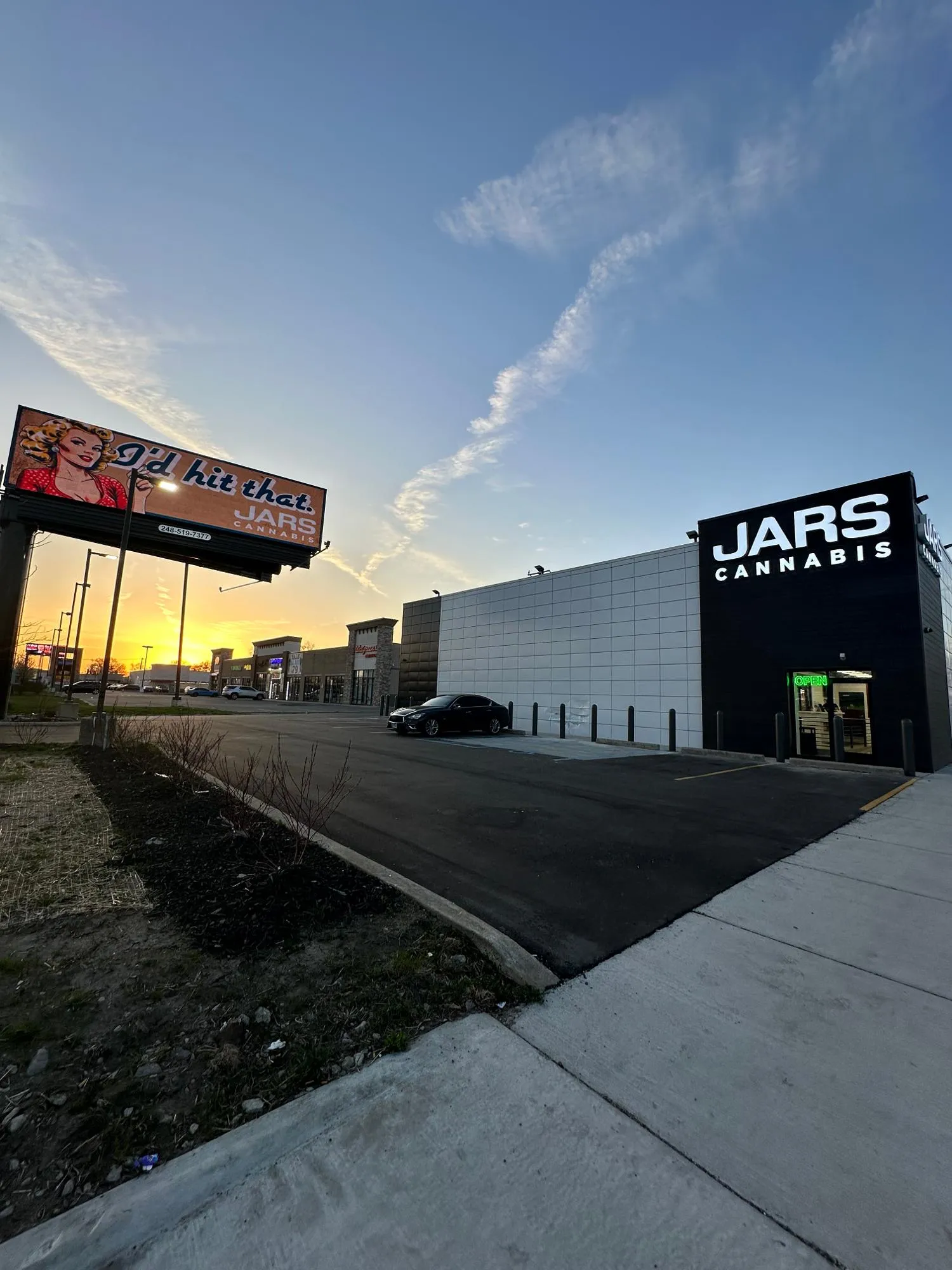
JARS Cannabis operates a Hazel Park location along the same John R Road corridor that anchors most of the city's cannabis retail and its broader revitalization. It's a smaller store within JARS's Michigan footprint, and its current review count reflects that, a modest handful of reviews rather than the hundreds some sibling locations carry.
One recent reviewer specifically called out the store's Greenhouse Seed Co. genetics and its selection of Dragonfly products, useful detail if you're comparing menus before a visit.
Michigan law only permits cannabis consumption on private property or at a licensed consumption lounge like Hot Box Social, not in Hazel Park's parks or public spaces generally. If a dispensary in hazel park stop is part of exploring the city, that distinction is worth knowing before you go.
Worth Knowing Before You Go
Hazel Park isn't trying to be Ferndale, and it doesn't need to be. It's a city that lost its 70-year-old signature landmark and rebuilt around something genuinely different: a serious restaurant scene, a real small business corridor, and a legal cannabis footprint distinctive enough to include the state's first consumption lounge. That's a specific, real story, not a "hidden gem" cliché standing in for one.
8. FAQ Section
What is Hazel Park, Michigan known for? Historically, Hazel Park Raceway, a major horse racing track that operated for nearly 70 years before closing in 2018. Today, the city is known for its revitalized John R Road corridor, a growing restaurant scene, and one of the highest concentrations of licensed cannabis retail in the region.
Why did Hazel Park Raceway close? It closed in April 2018 after nearly 70 years, citing a long industry-wide decline in horse racing attendance and revenue. Northville Downs is now Michigan's only remaining horse track.
Is it true Big Boy started in Hazel Park? The Elias brothers opened a diner in Hazel Park in 1942 that was franchised as Big Boy in 1952, and Louis Elias later served as the city's mayor. It's a genuine, documented piece of the city's history.
What is Hot Box Social? It's Michigan's first licensed cannabis consumption lounge, located on John R Road in Hazel Park. It gives adults a legal place to consume cannabis outside a private residence.
How many dispensaries are in Hazel Park? Eight recreational cannabis dispensaries currently operate within the city, a notably high concentration for its small size.
Where is JARS Cannabis in Hazel Park? Along the John R Road corridor, the same stretch that anchors most of the city's cannabis retail and recent revitalization.























Sign in to leave a comment.