
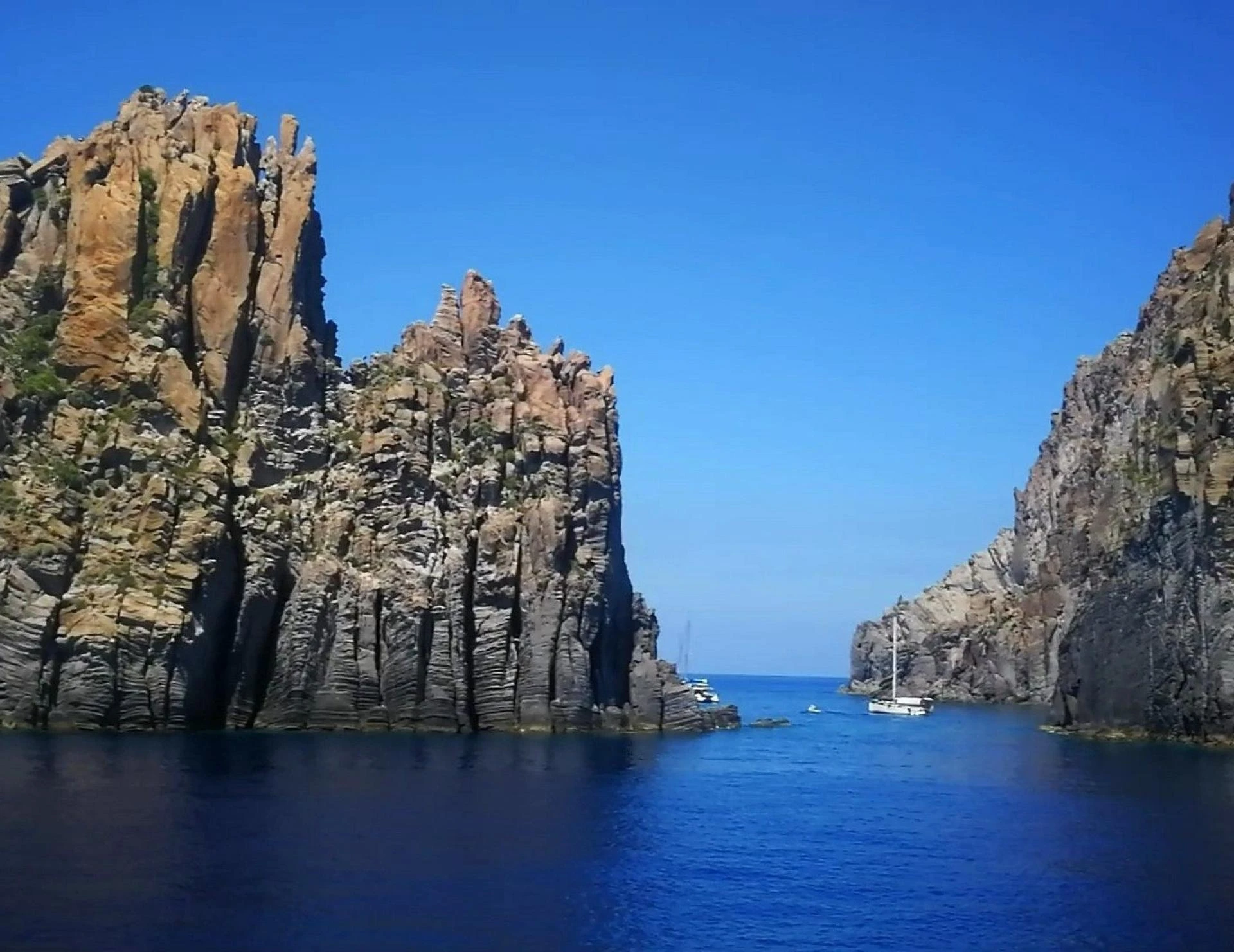
Introduction: Embarking on a boating adventure to explore remote islands and hidden coves offers a sense of discovery and tranquility that is unmatched. These secluded gems hold the promise of untouched beauty, pristine beaches, and a connection with nature away from the crowds. In this article, we will delve into the allure of exploring remote islands and hidden coves by boat, highlighting the benefits, planning considerations, activities to enjoy, and the importance of preserving these fragile ecosystems.
The Appeal of Remote Islands and Hidden Coves Remote islands and hidden coves possess a unique allure for adventurers and nature enthusiasts. These secluded locations provide an escape from the hustle and bustle of everyday life, offering a chance to unwind in peaceful surroundings. With untouched landscapes, crystal-clear waters, and abundant wildlife, these hidden gems are a treasure trove of natural beauty waiting to be discovered.
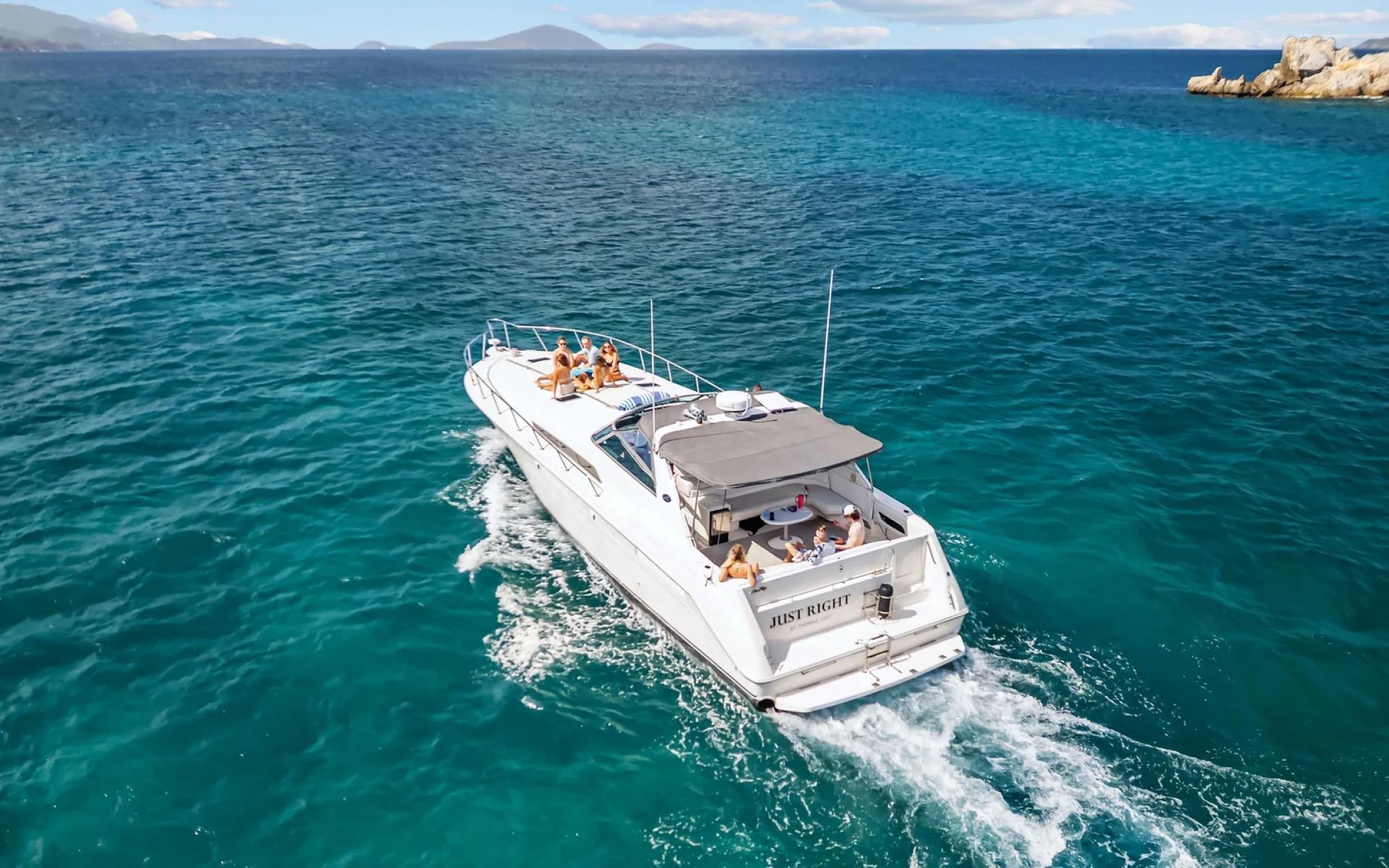
Planning Considerations Before setting out to explore remote islands and hidden coves, careful planning is essential. Research the area you wish to visit, familiarizing yourself with local regulations, permits, and navigation charts. Ensure that your boat is equipped with necessary safety equipment, including life jackets, flares, and a first aid kit. Take note of weather patterns, tides, and currents to ensure safe navigation and enjoyable experiences. It's also wise to inform someone onshore about your itinerary and expected return time.
Activities to Enjoy Exploring remote islands and hidden coves opens up a world of activities and experiences. Snorkeling in the pristine waters allows you to witness the vibrant marine life and colorful coral reefs. Take the opportunity to kayak or paddleboard along the coastline, exploring hidden caves and secluded beaches. Hiking trails on the islands can lead to breathtaking viewpoints and encounters with unique flora and fauna. Fishing enthusiasts can try their luck in these untouched waters, seeking a connection with nature and the thrill of a catch.
Preserving Fragile Ecosystems When exploring remote islands and hidden coves, it is crucial to prioritize conservation and preserve these fragile ecosystems. Respect the natural environment by adhering to Leave No Trace principles, ensuring that you take back any waste or debris. Avoid disturbing wildlife or nesting areas, maintaining a safe distance and observing animals in their natural habitat without interfering. Be mindful of anchoring in sensitive areas, using designated mooring buoys whenever possible to minimize damage to the seafloor and underwater habitats. Also check how much towing capacity do i need for a boat visit website now.
Cultural Respect and Responsible Tourism Remote islands often have rich cultural heritage tied to indigenous communities. Respect local customs, traditions, and sacred sites when visiting these areas. Engage with the local community in a respectful and responsible manner, supporting local businesses and eco-friendly initiatives. Educate yourself about the history and significance of the area, appreciating the cultural value of the land and water you are exploring. By practicing responsible tourism, we can contribute to the preservation of these remote islands and hidden coves for future generations.
Conclusion: Exploring remote islands and hidden coves by boat offers a chance to connect with nature, experience tranquility, and discover the wonders of untouched landscapes. With proper planning, an appreciation for conservation, and respect for the cultural significance of these areas, we can ensure that these hidden gems remain preserved for generations to come. So, set sail on your next adventure, and immerse yourself in the beauty and serenity of these remote paradises, cherishing the memories and experiences that await you.






Sign in to leave a comment.