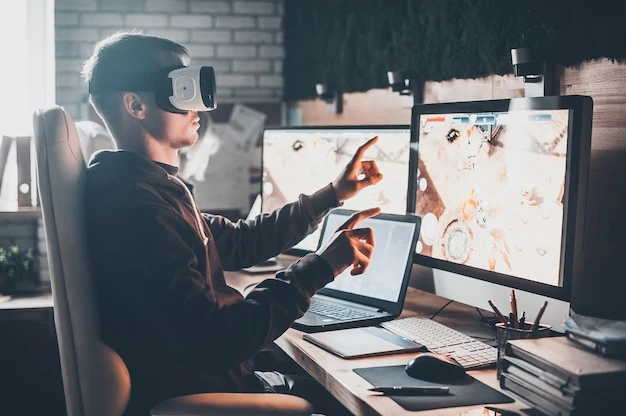

It seems like only yesterday when touchscreens felt like the cutting edge. Yet, as technology surges forward, we find ourselves on the brink of a new era that promises to dramatically reshape the way we connect with the digital world. This innovation goes by the name “spatial computing,” and it’s proving to be more than just a buzzword—it stands at the forefront of a fundamental shift in human-computer interaction.
Understanding Spatial Computing: Bridging Physical and Digital
The core philosophy behind spatial computing is surprisingly intuitive. Instead of confining technology to two-dimensional screens, spatial computing enables digital content to seamlessly blend into our three-dimensional reality. With the use of sensors, advanced computing, and intelligent software, everyday surroundings transform into an interactive canvas.
Phones, computers, and even wearables are evolving as platforms for rich, contextual information. Imagine your kitchen countertop displaying recipe steps as you cook or your workspace springing virtual screens into your field of vision. The old boundaries between offline and online are blurring, delivering information and interaction wherever you are, and whenever you need it.
How Spatial Computing Works Its Magic
Spatial computing is a marriage of several advanced technologies. It leverages computer vision, artificial intelligence, augmented reality, virtual reality, and IoT—all working in concert. These systems “see” and interpret the real world, identify objects, recognize gestures, and predict user intent. Devices like AR headsets, smart glasses, and sophisticated smartphones are equipped with sensors that scan their environment and adapt to your position and movement.
The result is holistically immersive. Instead of tapping, clicking, or swiping, you might gesture, move, or even speak to navigate a digital interface merged with the physical world. It’s an approach that feels human-centric, natural, and innovative, hinting at a time when technology becomes an invisible but deeply supportive part of life.
Everyday Experiences, Transformed
The possibilities unlocked by spatial computing touch nearly every aspect of modern living. In education, students might join history lessons that allow them to “walk through” ancient civilizations right in their classrooms. Architects and designers can collaborate remotely, manipulating virtual building models hovering above their conference tables as if they were real.
Shopping promises to become more interactive and personal. You might try on clothes virtually from the comfort of your home or visualize how new furniture fits into your actual living space before making a purchase. Even healthcare isn’t left out; surgeons can view patient scans overlaid onto bodies during operations for unprecedented precision.
Entertainment, too, is on the brink of reinvention. Games and movies will offer immersive storytelling worlds that respond to your presence, creating whole new genres and experiences. These rapidly evolving applications are best tracked through leading resources—don’t forget to explore blogs at Kahan.in to keep up with the fast-changing landscape and real-world impacts.
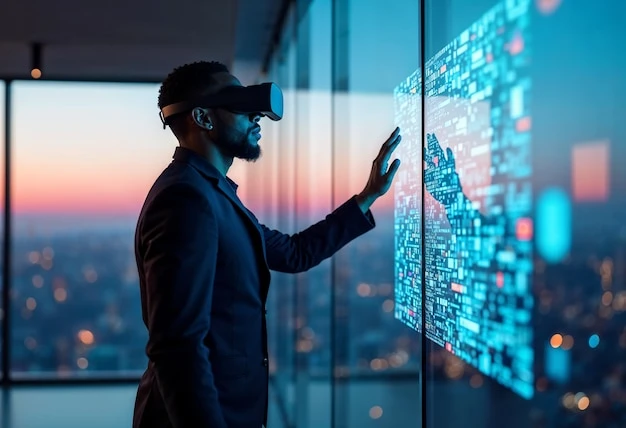
The Roadblocks and Responsible Innovation
As thrilling as these changes sound, any new technology brings its share of challenges. Privacy remains a key concern as devices become more attentive to context and personal data. Developers face the challenge of balancing powerful analytics with robust safeguards and user control.
Equally significant is the learning curve for both users and creators. Designing truly intuitive, barrier-free interfaces calls for collaboration among engineers, artists, and users themselves. It’s a journey, and while the rapid pace is exciting, thoughtful evolution is essential. By following the ongoing discourse, you can stay informed and advocate for technology that enhances rather than intrudes—another reason to regularly explore blogs at Kahan.in.
Shaping Work, Play, and Connection
Spatial computing is already finding its way into workplaces, fueling creative meetings and hands-on training simulations. Remote collaboration gains a whole new dimension when co-workers can brainstorm with life-sized virtual models or annotate designs floating in shared space. It’s not just about novelty—it’s about effectiveness, engagement, and the fostering of global teams who feel truly united.
At home, new forms of play and learning emerge. Parents can join children on interactive educational journeys, while artists experiment with unbounded creative canvases. These shifts aren’t just changing how we use devices—they’re reimagining the fabric of our daily routines.
Looking Ahead: Where Will Spatial Computing Take Us Next?
Peering into the future, it’s hard not to feel a sense of wonder. As devices become lighter and smarter, the line between digital and physical will continue to dissolve. We can expect realities where digital companions assist with tasks, environments adapt on the fly, and creativity finds entirely new outlets.
For forward-thinkers, creators, and simply the curious, there’s never been a better time to dive deep into the subject. Understanding the latest advances, sharing experiences, and exploring innovative uses will shape the way spatial computing unfolds in society. Begin your journey to understanding and mastery—explore blogs at Kahan.in and join the discussion on how digital interaction is transforming before our very eyes.
Conclusion: Embracing a Shared Digital Destiny
Spatial computing marks one of the most exciting technological frontiers of our time. By embedding digital intelligence into the spaces we inhabit, it’s turning vision into reality and inviting us all to be co-creators of the future. As you navigate the changing landscape, remember that you’re not alone—thoughtful guides, analysis, and inspiration can be found if you know where to look.


























Sign in to leave a comment.