

In a world where convenience often trumps quality, local food markets stand as vibrant hubs of culinary delight, offering a treasure trove of fresh produce, artisanal goods, and cultural experiences. This article aims to celebrate the essence of local food markets, shedding light on their significance, diverse offerings, and the benefits they bring to communities.
The Vibrant Atmosphere of Local Food Markets
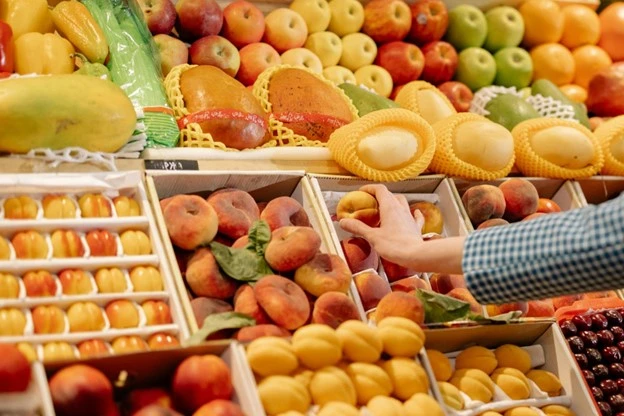
Local food markets are not just places to shop; they are immersive experiences that awaken the senses and nourish the soul. Picture bustling stalls adorned with colorful fruits and vegetables, the aroma of freshly baked bread wafting through the air, and the lively chatter of vendors and shoppers alike. It's a sensory overload that captivates visitors and draws them into the heart of the local food scene. Engaging with local farmers and producers adds another layer of authenticity to the experience, fostering connections and fostering a deeper appreciation for where our food comes from. And of course, no visit to a local food market is complete without sampling the wares – from ripe heirloom tomatoes to artisan cheeses, each bite tells a story of craftsmanship and passion.
Exploring Diverse Culinary Offerings
One of the most enchanting aspects of local food markets is the sheer variety of culinary delights on offer. From crisp apples and leafy greens to exotic spices and homemade preserves, there's something to tantalize every palate. Moreover, local food markets are a treasure trove of specialty foods and artisanal products that you won't find in your average grocery store. Think handcrafted chocolates, small-batch olive oils, and farm-fresh eggs laid by free-range chickens. And let's not forget about the diverse array of regional and ethnic cuisine representations, from Italian pasta to Indian spices, offering a culinary journey around the globe without ever leaving your hometown.
Benefits of Shopping at Local Food Markets
Supporting local food markets goes beyond just filling your shopping basket; it's about investing in your community and the environment. By choosing to buy from local farmers and producers, you're not only supporting small-scale businesses but also contributing to the local economy. Additionally, buying locally sourced food reduces your carbon footprint by minimizing the distance that food travels from farm to table, thus promoting environmental sustainability. And let's not forget about the health benefits of consuming fresh, locally sourced ingredients – they're not only more nutritious but also tastier and more flavorful than their mass-produced counterparts.
Tips for Maximizing Your Local Food Market Experience
To make the most of your visit to a local food market, a little preparation goes a long way. Plan ahead by making a shopping list and bringing along reusable bags to carry your purchases. When you arrive, take the time to engage with vendors, ask questions about their products, and learn about their farming practices. Don't be afraid to step out of your comfort zone and explore new ingredients – you might just discover your new favorite dish!
Case Studies: Highlighting Successful Local Food Market Initiatives
Across the globe, local food markets are thriving hubs of community activity, driving economic growth and promoting sustainable agriculture. From farmers' markets to urban food co-ops, these initiatives are making a tangible impact on local farmers and producers, creating jobs, and providing access to fresh, healthy food for all. Testimonials from satisfied customers attest to the transformative power of local food markets, showcasing their ability to foster connections, promote healthy eating habits, and build vibrant, resilient communities.
Overcoming Challenges and Addressing Common Misconceptions
Despite their many benefits, local food markets face challenges such as affordability, accessibility, and misconceptions about the quality and variety of products. However, by implementing strategies to address these issues – such as offering incentives for low-income shoppers, expanding transportation options, and educating the public about the value of locally sourced food – local food markets can continue to thrive and grow.
Promoting Community Engagement and Food Education
In addition to providing access to fresh, healthy food, local food markets play a crucial role in promoting community engagement and food education. By hosting cooking demos, food workshops, and educational events, local food markets empower consumers to make informed choices about their food and learn new culinary skills. Collaborating with local organizations and initiatives further enhances their impact, creating a ripple effect that extends far beyond the market stalls.
Conclusion
In conclusion, local food markets are more than just places to buy groceries – they're vibrant community spaces that celebrate the rich diversity of food culture and promote sustainability, health, and community engagement. By supporting your local food market, you're not just savoring the flavor – you're investing in the future of your community and the planet. And for those who appreciate culinary craftsmanship, local food markets often offer a unique opportunity to discover custom knives crafted by skilled artisans. So next time you're in the mood for some culinary adventure, why not pay a visit to your local food market? You might just discover a world of flavors waiting to be explored, alongside beautifully crafted custom knives to enhance your kitchen experience.










Sign in to leave a comment.