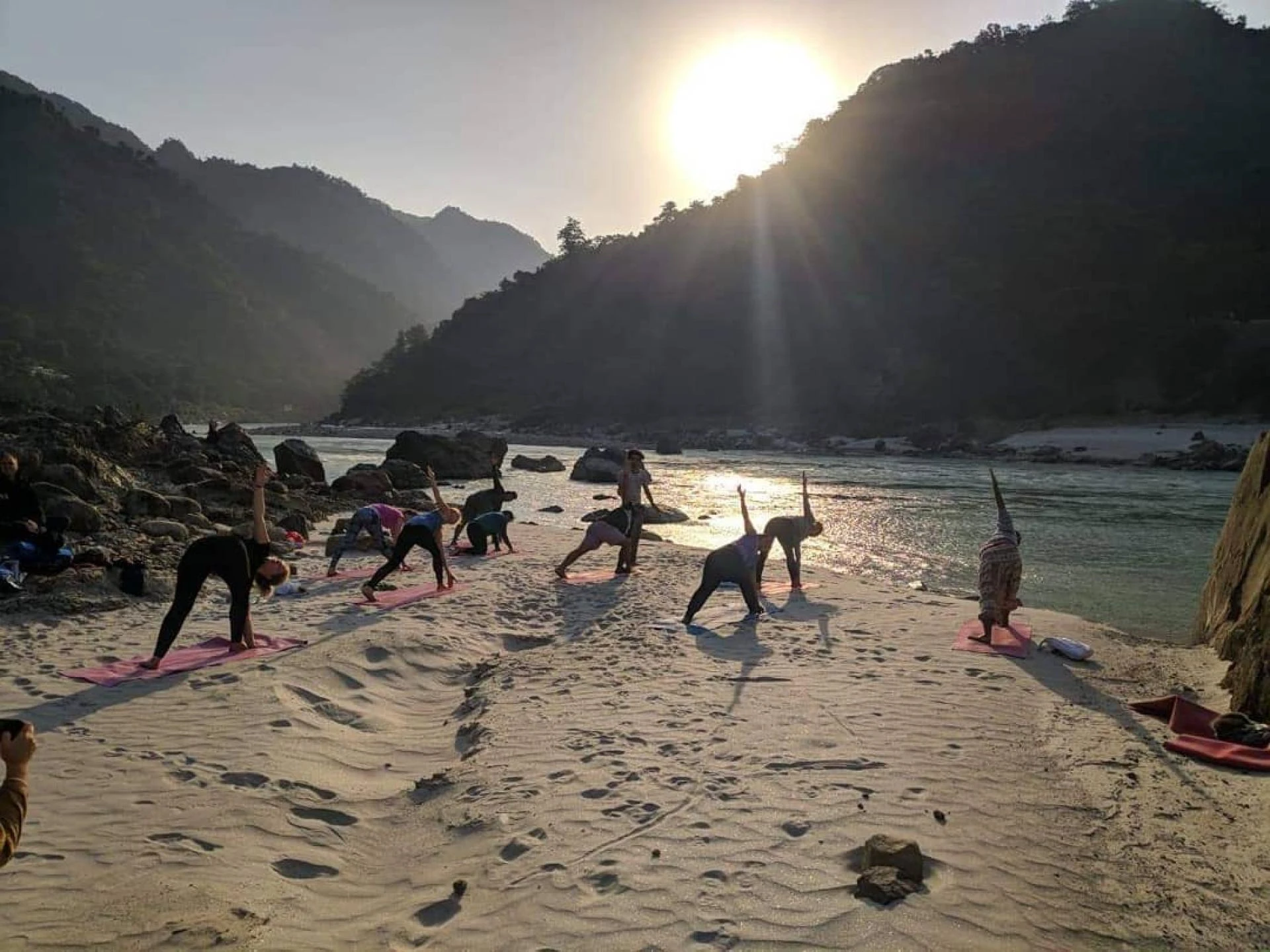

Amidst the lush, tropical landscapes and ancient Hindu temples of Bali, a vibrant yoga culture has taken root, attracting seekers and practitioners from around the world. In this serene and spiritual setting, the pursuit of yogic knowledge is not limited to physical postures and breathing exercises; instead, it encompasses a profound exploration of the eight limbs – the fundamental principles that form the bedrock of this ancient tradition.
Bali's renowned yoga teacher training programs offer a unique opportunity to delve into the depths of these eight limbs, providing a holistic and immersive experience that transcends the physical realm. As students embark on this transformative journey, they are guided through a rich tapestry of philosophical teachings, ethical precepts, and spiritual practices that have shaped yoga for thousands of years.
The first two limbs, known as the Yamas and Niyamas, lay the ethical and moral foundation for the yogic path. In the tranquil setting of Bali's ashrams and studios, students are invited to explore the principles of non-violence (ahimsa), truthfulness (satya), non-stealing (asteya), moderation (brahmacharya), and non-possessiveness (aparigraha), among others. These teachings are not mere abstract concepts; rather, they are woven into the fabric of daily life, challenging students to embody these values in their thoughts, words, and actions.
As students progress through their training, they delve into the third limb, Asana, which encompasses the physical postures and movements that are often synonymous with yoga in the Western world. However, in the context of Bali's teacher trainings, Asana is approached with a deeper understanding of its purpose – to prepare the body for the more subtle and inward practices of yoga. Instructors guide students through a meticulous exploration of each pose, emphasizing proper alignment, breath control, and the cultivation of body awareness.
The fourth limb, Pranayama, focuses on the mastery of breath control and life force energy (prana). In Bali's serene and peaceful surroundings, students learn ancient breathing techniques that have the power to calm the mind, purify the body, and cultivate a heightened state of consciousness. These practices are often complemented by the study of the subtle energy channels (nadis) and energy centers (chakras), offering a holistic approach to physical and energetic well-being.
The fifth limb, Pratyahara, introduces the concept of sensory withdrawal and the mastery of the senses. In the midst of Bali's vibrant cultural tapestry, students are guided in techniques that enable them to turn their awareness inward, cultivating a heightened state of focus and concentration. This inward journey lays the foundation for the subsequent limbs, which delve into the realms of meditation and self-realization.
The sixth limb, Dharana, explores the practice of concentration and single-pointed focus. Through various meditation techniques and contemplative exercises, students learn to quiet the fluctuations of the mind and direct their attention towards a chosen object or principle. This practice is often enriched by the study of yoga philosophy, drawing upon ancient texts and teachings to deepen the understanding of the human experience and the nature of consciousness.
The seventh limb, Dhyana, takes students into the realm of sustained meditation and the cultivation of a state of profound absorption and presence. In Bali's sacred spaces, students are immersed in the practice of meditation, learning to transcend the limitations of the mind and experience glimpses of the true nature of reality.
Finally, the eighth limb, Samadhi, represents the ultimate goal of yoga – the state of complete unity and enlightenment. While this final stage is often considered the most elusive and challenging to attain, the study and exploration of the preceding limbs provide a roadmap for this transformative journey.
Throughout their Yoga Teacher training in Bali, students are guided by experienced teachers who embody the essence of these eight limbs. These instructors serve not only as technical guides but also as living examples of the yogic way of life, inspiring their students through their wisdom, compassion, and commitment to personal growth.
The island of Bali itself offers a unique and nurturing environment for the exploration of the eight limbs. The rich cultural heritage, stunning natural beauty, and deeply spiritual traditions create a tapestry that seamlessly interweaves with the teachings of yoga. Students have the opportunity to participate in sacred rituals, visit ancient temples, and immerse themselves in the vibrant local culture, further deepening their understanding and embodiment of yogic principles.
Beyond the formal training, Bali's yoga community fosters a sense of connection and camaraderie among practitioners. Students often form lasting bonds with their peers, creating a supportive network that extends beyond the confines of the training program. This community aspect not only enriches the learning experience but also serves as a reminder that the journey of yoga is one of shared growth and collective evolution.
As students complete their yoga teacher training in Bali, they emerge not only as skilled instructors but also as embodiments of the eight limbs, carrying the wisdom and transformative power of this ancient tradition into their personal and professional lives. Armed with a deeper understanding of the philosophical and spiritual underpinnings of yoga, these teachers are poised to guide others on a journey that transcends the physical realm, cultivating a holistic approach to well-being and self-realization.
In a world that often prioritizes the material and the superficial, the exploration of the eight limbs in Bali's teacher trainings serves as a powerful reminder of the depth and richness of the yogic tradition. It is an invitation to embrace a way of life that honors the interconnectedness of body, mind, and spirit, fostering personal growth, compassion, and a deep reverence for the inherent wisdom and beauty of the human experience.










Sign in to leave a comment.