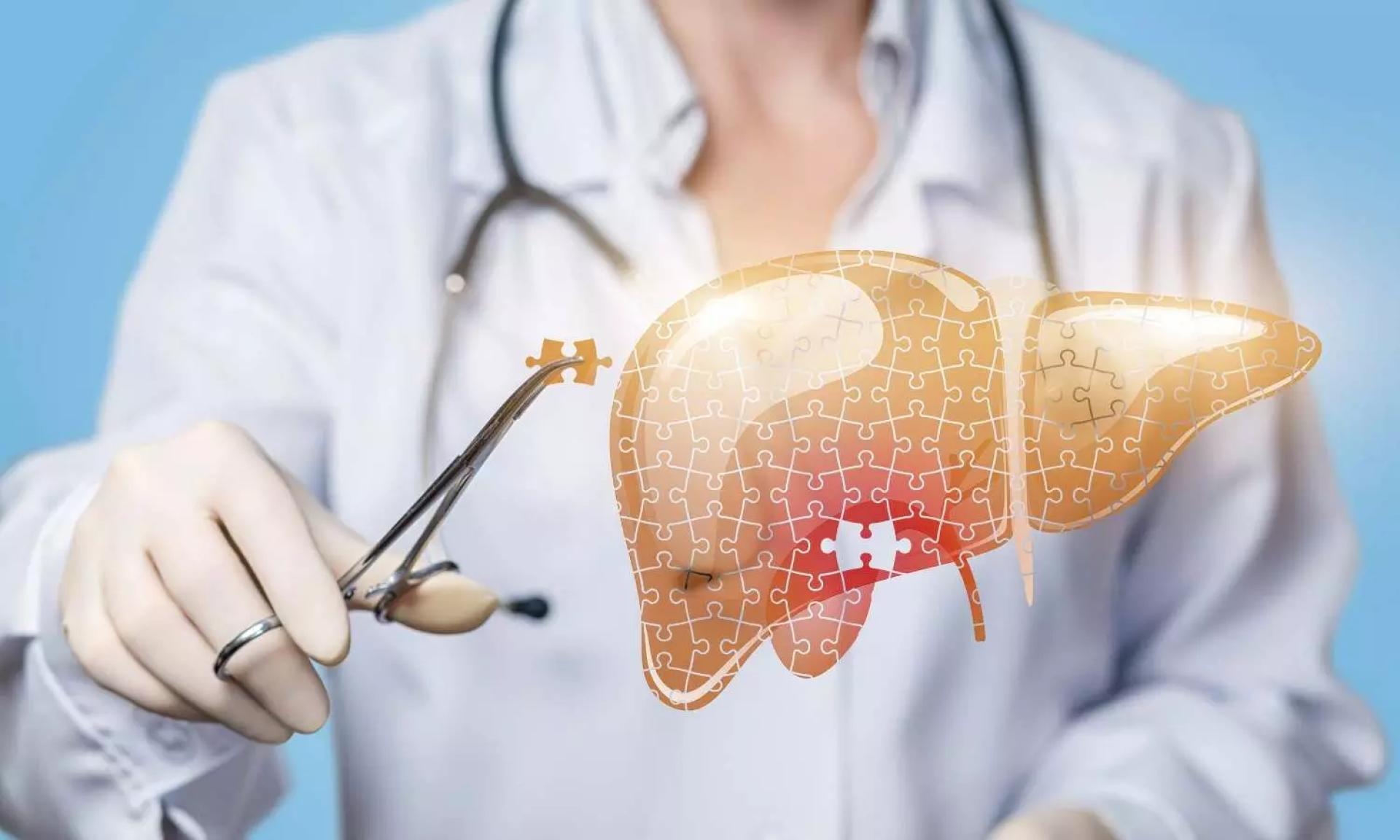

Are you concerned about mold's impact on your health? Specifically, can mold cause cancer and damage your liver?
These are pressing questions, and understanding the relationship between mold exposure and serious health issues like liver damage and cancer is crucial for safeguarding your well-being.
What is Mold Exposure?
Mold is a type of fungus that thrives in damp and humid environments. It can be found both indoors and outdoors, and exposure to mold spores can occur through inhalation, ingestion, or skin contact.
While not all molds are harmful, certain types, such as black mold (Stachybotrys chartarum), produce mycotoxins that can pose significant health risks, including a specific mold that damages liver. This underlines the importance of addressing mold issues promptly to safeguard health.
The Liver's Role in Detoxification
Your liver plays a vital role in detoxifying harmful substances from your body, including mycotoxins produced by mold. However, prolonged exposure to high levels of mold can overwhelm the liver's detoxification capacity, leading to liver damage and dysfunction. As the liver struggles to cope with the influx of toxins, it may become inflamed and less efficient at performing its detoxification duties.
Mold and Liver Damage
Research suggests that exposure to mold toxins can contribute to various liver conditions, including:
Fatty Liver Disease: Mold toxins have been linked to non-alcoholic fatty liver disease (NAFLD), a condition characterized by the accumulation of fat in the liver. Over time, NAFLD can progress to more severe forms of liver disease, such as non-alcoholic steatohepatitis (NASH) and cirrhosis.Liver Inflammation: Mold exposure can trigger inflammation in the liver, leading to conditions like hepatitis. Chronic inflammation can impair liver function and increase the risk of developing liver-related complications.Liver Cancer: While the direct link between mold exposure and liver cancer is still being studied, some research suggests that certain mycotoxins may have carcinogenic properties and could potentially contribute to the development of liver cancer over time.Mold and Cancer Risk
In addition to its potential impact on liver health, mold exposure has also been associated with an increased risk of certain types of cancer. While the evidence is not yet conclusive, studies have suggested a possible link between mold exposure and the following cancers:
Lung Cancer: Inhalation of mold spores has been linked to an elevated risk of lung cancer, particularly in individuals with pre-existing respiratory conditions or compromised immune systems.Nasal and Sinus Cancer: Chronic exposure to mold in indoor environments has been associated with an increased risk of nasal and sinus cancers, possibly due to the direct contact of mold spores with the nasal passages and sinuses.Skin Cancer: Some studies have suggested a potential connection between mold exposure and an increased risk of skin cancer, although more research is needed to establish a definitive link.Protecting Your Health with Toxic Roots Wellness
At Toxic Roots Wellness, we understand the importance of protecting your health from environmental toxins like mold. Our holistic approach to wellness encompasses education, prevention, and personalized support to help you optimize your health and well-being.
By addressing the root causes of health issues and supporting the body's natural detoxification processes, we empower you to take control of your health and reduce your risk of mold-related health complications, including liver damage and cancer.
Conclusion
The relationship between mold exposure, liver damage, and cancer is a complex and multifaceted issue. While more research is needed to fully understand the mechanisms underlying these connections, there is growing evidence to suggest that mold exposure may pose significant risks to liver health and increase the risk of certain types of cancer.
By taking proactive steps to minimize exposure to mold and support your body's detoxification pathways, you can help protect your liver and reduce your risk of mold-related health problems.
If you have concerns about mold exposure or its potential impact on your health, don't hesitate to reach out to Toxic Roots Wellness for personalized support and guidance.
Remember, your health is your greatest asset, and investing in preventive measures now can pay dividends for years to come.











Sign in to leave a comment.