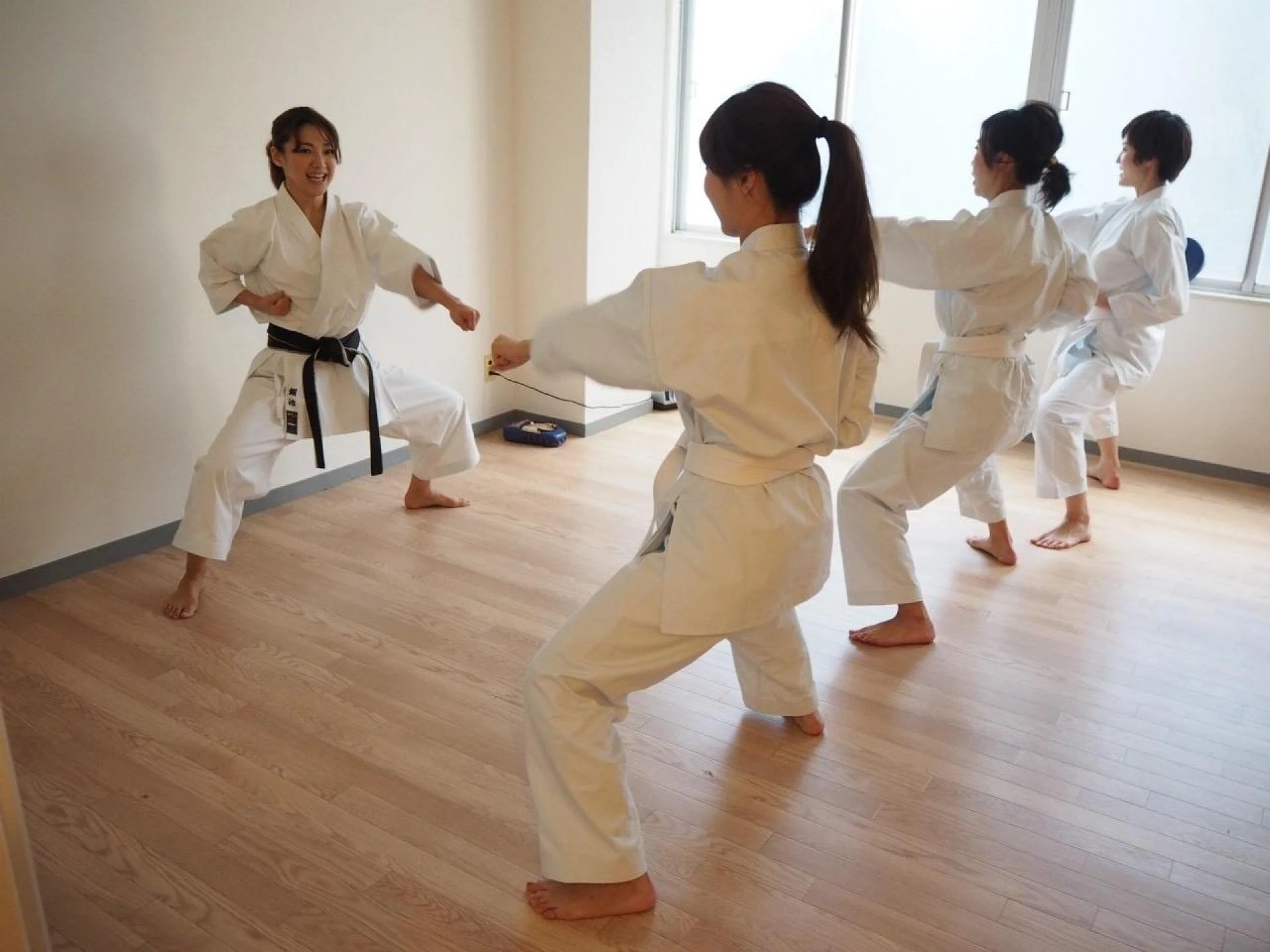

In the realm of martial arts, the attire is not merely a uniform but a symbol of discipline, tradition, and respect. Among these, the Karate Gi stands out as an iconic representation of the art form\'s essence. In this exploration, we delve into the rich history, practical design, and cultural significance of the Karate Gi.
Origins and Evolution
The Karate Gi traces its roots back to Okinawa, Japan, where Karate, a martial art emphasizing striking techniques with bare hands and feet, first took form. Initially, practitioners wore everyday clothing while training. However, as Karate evolved into a formal discipline, the need for a specialized attire emerged.
The modern Karate Gi, or uniform, underwent several iterations before settling into its recognizable form. It typically consists of a loose-fitting jacket, known as the "Uwagi," and pants, called "Zubon," both made from sturdy cotton fabric. The white color of the Gi symbolizes purity, simplicity, and an empty mind, essential elements in the practice of Karate.
Design and Functionality
The design of the Karate Gi serves both practical and symbolic purposes. Its loose fit allows for unrestricted movement, enabling practitioners to perform high kicks, swift strikes, and fluid movements without constraint. The ample space also facilitates airflow, keeping the wearer cool and comfortable during intense training sessions.
The durability of the fabric ensures that the Gi can withstand the rigors of training, including grappling, striking, and falling techniques. Reinforced stitching at stress points enhances its resilience, making it a reliable companion for long-term practice.
Moreover, the minimalistic design reflects the fundamental principles of Karate: simplicity, humility, and focus. The absence of elaborate embellishments signifies the practitioner\'s commitment to the art form\'s essence, devoid of distractions or ego-driven motives.
Cultural Significance
Beyond its practical aspects, the Karate Gi holds profound cultural significance within the martial arts community. It serves as a visual representation of the values and traditions passed down through generations of practitioners.
The act of donning the Gi before training is a ritualistic practice, symbolizing the transition from everyday life to the disciplined mindset required for martial arts practice. It embodies a sense of reverence for the art form, its lineage, and the masters who have imparted their wisdom through the ages.
Moreover, the uniform fosters a sense of unity and equality among practitioners, regardless of rank or background. In the dojo, all students wear the same Gi, emphasizing the shared journey towards self-improvement and mastery.
Modern Adaptations
While the traditional Karate Gi remains a timeless symbol of the art form, modern variations have emerged to cater to diverse preferences and training needs. Some practitioners opt for lightweight Gis, ideal for hot climates or intense cardio-focused workouts. Others may choose thicker, more heavyweight Gis for added durability and resistance to abrasion.
Additionally, advancements in textile technology have led to the development of hybrid Gis featuring moisture-wicking properties, antimicrobial finishes, and stretch panels for enhanced performance and comfort.
Despite these innovations, the core principles embodied by the Karate Gi remain unchanged. It continues to serve as a tangible link to Karate\'s rich heritage and a reflection of the practitioner\'s dedication to the art form.
Conclusion
In the world of martial arts, the Karate Gi transcends its status as mere attire to become a symbol of tradition, discipline, and respect. Its timeless design, practical functionality, and cultural significance make it an indispensable element of the Karate practitioner\'s journey.
As we don our Gi and step onto the dojo floor, we honor not only the centuries-old legacy of Karate but also the values it represents: humility, perseverance, and the relentless pursuit of excellence. In every stitch and fold lies a story of resilience, discipline, and the unwavering spirit of the martial artist.










Sign in to leave a comment.