
Introduction
The UK vape market has surged in recent years, but much of the conversation centers around devices and e-liquids. Less visible, yet equally vital, is the growing market for vape accessories. As the vaping culture matures, users are increasingly personalising and enhancing their experience with an array of accessories—from replacement coils and batteries to carry cases, drip tips, and charging stations. These ancillary products not only support core usage but also represent a fertile ground for retailers seeking to diversify offerings and capture higher margins. In many cases, the sale of accessories can convert occasional users into brand-loyal enthusiasts.
Smarter Stocking for Sustainable Growth
In a fast-paced retail environment, efficiency and cost-effectiveness are key to staying competitive. Retailers looking to meet increasing customer demand while protecting profit margins need access to a consistent and affordable product supply. One of the most effective strategies is to bulk buy vapes, allowing businesses to secure lower prices per unit and maintain steady stock levels. This method not only reduces the risk of running out of popular products but also supports faster response to market trends. By streamlining inventory management through bulk purchasing, vape retailers can scale operations and deliver better value to their customers.
A Growing Ecosystem of Add-Ons
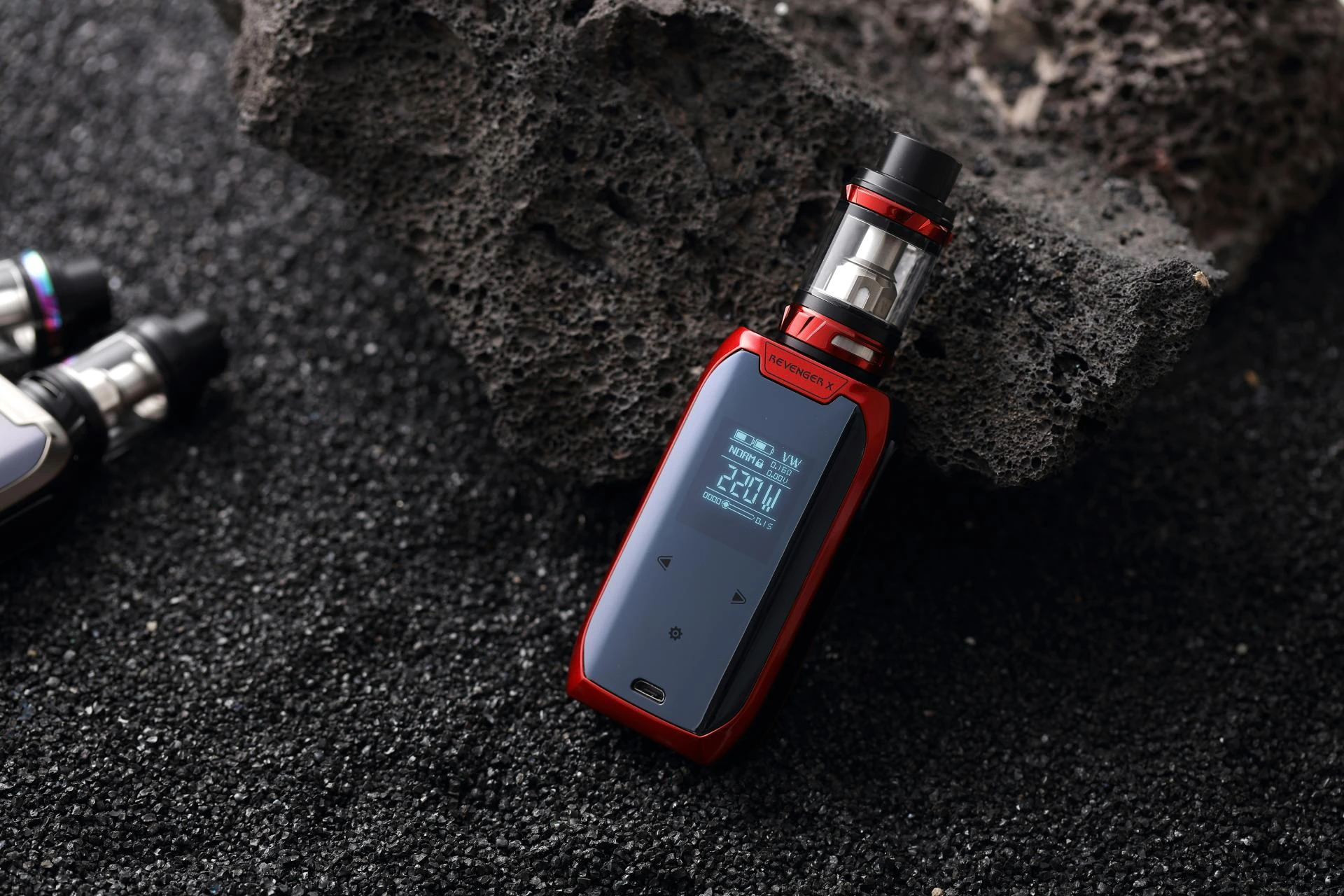
Vape accessories have evolved from mere functional components to expressive and essential parts of the user journey. Initially, accessories were primarily utilitarian—chargers, tanks, and replacement glass. Today, the category includes decorative skins, high-end rebuildable atomisers (RDAs), ergonomic mouthpieces, and precision tools for coil building.
This expansion reflects a broader behavioural shift. Vapers are no longer just looking to replicate smoking—they’re investing in the vaping experience. This includes performance, aesthetics, convenience, and even collecting. These motivations fuel steady demand for upgrades and personalisation, opening new sales verticals for online shops and brick-and-mortar retailers alike.
Demand for Functional Essentials
Despite the appeal of high-concept accessories, everyday essentials still drive the bulk of sales volume. Coils, pods, and replacement cartridges are non-negotiable consumables, particularly in pod systems and box mods. As users become more advanced, they develop preferences for coil resistance, material type (e.g., mesh, ceramic), and compatibility. Stocking a diverse range of replacement parts ensures repeat business and keeps customers loyal to a particular retailer.
Battery chargers, high-capacity external batteries, and silicone battery cases are also must-haves for users of open-system mods. As regulations require short-circuit protection and battery safety awareness, UK consumers are becoming more diligent, making these accessories not only desirable but necessary.
These functional items serve as recurring revenue streams, often purchased in conjunction with e-liquids or devices, thereby increasing average order value.
Personalisation and Style
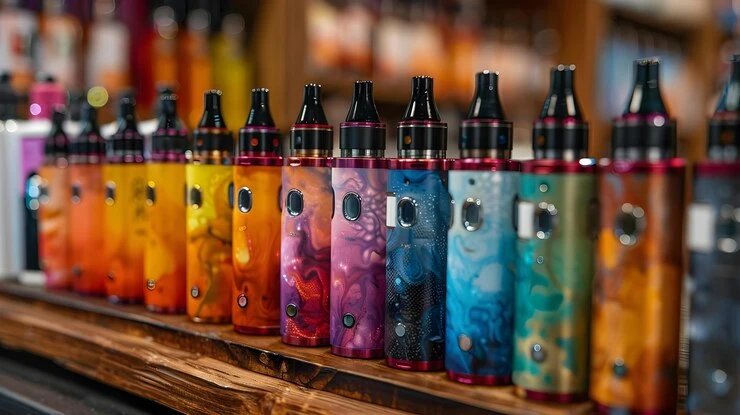
Personal expression has become a defining element of vaping culture in the UK. Consumers are no longer content with generic devices; they want gear that reflects their tastes, moods, or lifestyle. Colourful drip tips, engraved tanks, LED wraps, and designer skins are increasingly popular, especially among younger adults and seasoned vapers.
Limited-edition accessories, collaborations with artists, or themed collections tied to music or gaming culture have also entered the fray. These not only boost accessory sales but also build community engagement and social sharing, which can drive organic marketing for retailers.
Retailers that lean into customisation—offering engraving, build-your-own kits, or accessory bundles—can position themselves as experience providers, not just resellers.
The Rise of Maintenance and DIY Culture
Advanced users, particularly those who favour rebuildable atomisers and box mods, form a niche yet lucrative submarket. These users frequently purchase wire spools, cotton, coil-building kits, and ohm meters. For them, vaping is as much a hobby as it is a lifestyle choice.
Selling to this segment requires a deeper product catalogue and the ability to educate. Guides, tutorials, and in-store advice can transform casual buyers into committed customers. Retailers who invest in this knowledge layer often see higher conversion and repeat purchase rates, as well as improved customer trust and brand loyalty.
Starter DIY kits also provide a valuable entry point for those transitioning from disposables or closed systems to more customisable options. These kits create a bridge from passive to active engagement in the vape culture, generating long-term sales potential.
Packaging, Portability, and Practicality
Practical accessories that enhance the portability and cleanliness of vaping are increasingly important. Carry cases, e-liquid holders, and leak-proof containers are staples for mobile users. These items also cater to the discreet vaper, allowing for elegant or subtle storage of vape gear in professional or travel settings.
Organisers for home storage are also emerging as a subcategory, particularly among users with multiple devices or extensive e-liquid collections. Retailers who offer lifestyle-oriented storage solutions can tap into a domestic consumer base that sees vaping as part of their everyday environment.
Accessories that solve common pain points—spills, lost parts, battery management—may lack glamour but often outsell flashier items due to pure utility.
Online vs. In-Store Accessory Sales
The accessory market is especially conducive to online sales. These items are small, lightweight, and low-risk for shipping. They are often bought impulsively or in bulk, especially when consumers are restocking on e-liquid or purchasing new devices. Suggestive selling and bundling strategies work particularly well here—such as “buy three coils, get a drip tip free” or “add a case to your cart for 10% off.”
However, in-store environments offer unique advantages. Hands-on browsing, staff recommendations, and visual merchandising can significantly drive accessory attachment rates. For vape shops, accessories represent the margin-rich companion items that keep physical retail sustainable.
Expanding Reach in the Vaping Industry
As the demand for vaping products continues to rise, retailers are looking for efficient ways to meet consumer needs while maintaining profitability. A key to success in this competitive market is sourcing products in bulk at competitive prices. Vape wholesale UK offers retailers a reliable way to access a wide range of products, from e-liquids to devices, directly from suppliers. This model not only ensures a steady supply but also allows businesses to stay ahead of trends and meet customer demands. By partnering with trusted wholesale suppliers, retailers can scale their operations and thrive in the rapidly growing vaping industry.
Conclusion
The UK vape accessory market is a dynamic, under-leveraged segment with vast potential for retailers willing to look beyond devices and e-liquids. As vaping becomes more personalised and lifestyle-oriented, accessories serve as both functional necessities and avenues for self-expression. From coils to custom cases, from tools to artistry, this ecosystem offers opportunities not just for profit—but for cultivating a richer, more engaging customer experience. For those who understand the nuances of this space, the accessory market is not an afterthought—it’s a cornerstone of long-term growth.



























Sign in to leave a comment.