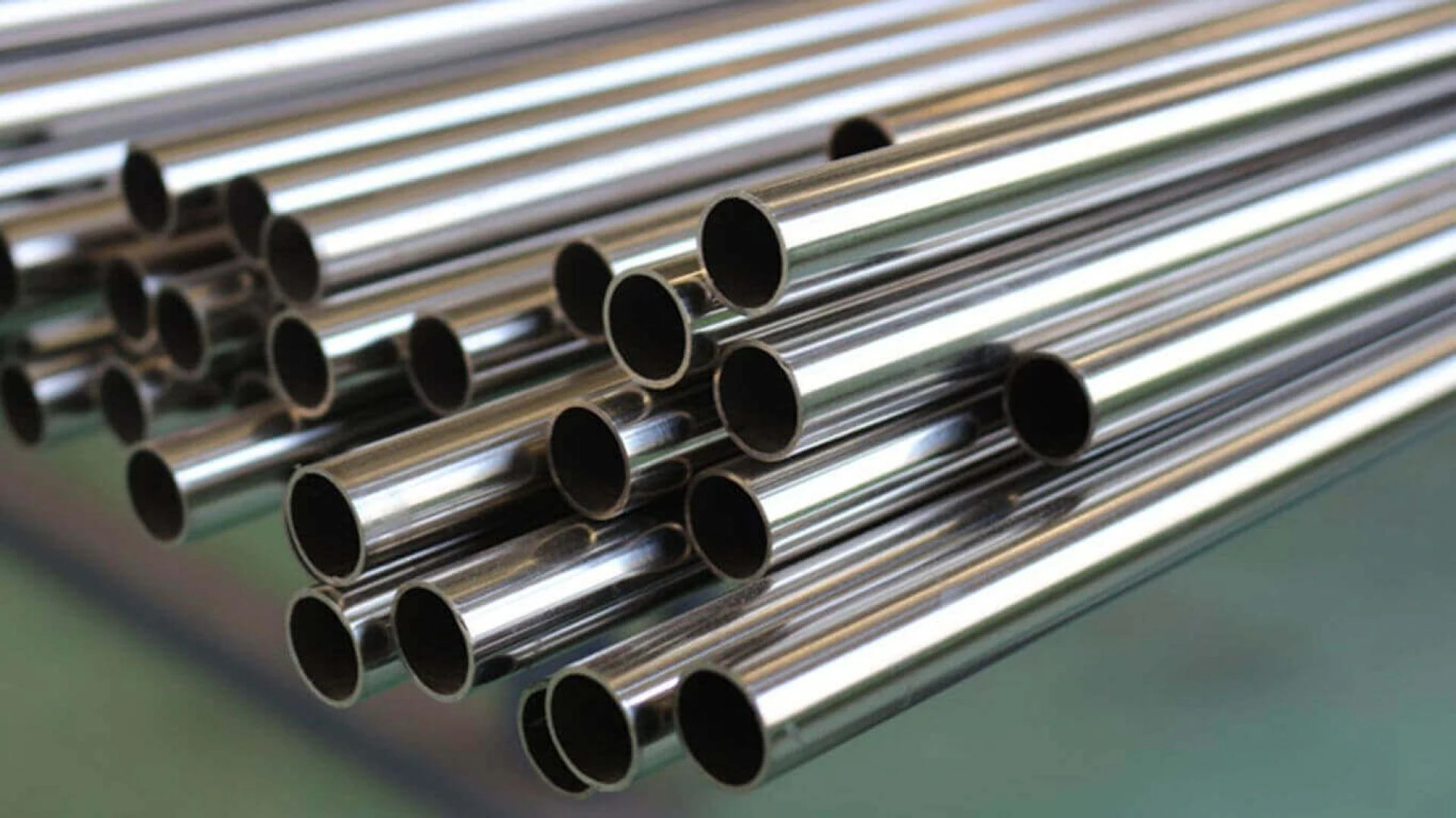

Stainless steel (SS) pipes are a game-changer across various industries, thanks to their exceptional properties and adaptability. From construction to engineering and manufacturing, SS pipes have become a go-to solution for applications that demand durability, strength, and reliability. But what makes these pipes stand apart? This blog dives into their features, benefits, and key uses, underscoring why stainless steel pipes are a vital component across sectors.
What Are Stainless Steel Pipes?
Stainless steel pipes are made primarily from iron, combined with chromium, nickel, and other alloys. The added chromium content gives these pipes their distinctive resistance to corrosion and oxidation, making them suitable for use in harsh environments. Available in a variety of grades, such as SS 304, SS 316, and more, they are engineered to meet the unique demands of different industries.
Key Features of SS Pipes That Stand Out
1. Corrosion Resistance
One of the defining features of SS Pipes is their ability to resist corrosion. Whether it's exposure to moisture, acids, or chemicals, stainless steel remains unaffected, ensuring a longer lifespan compared to traditional materials.
2. High Strength and Durability
Stainless steel pipes are known for their mechanical strength. This makes them perfect for applications that require durable materials capable of handling high pressure and heavy loads.
3. Temperature Resistance
With the ability to withstand a broad range of temperatures, SS pipes are suitable for both high-heat and sub-zero applications. This makes them versatile for industries such as manufacturing and engineering.
4. Hygienic and Rust-Free
SS pipes are rust-resistant and non-toxic, making them a preferred choice for industries where hygiene is critical, such as the food processing and pharmaceutical sectors.
5. Recyclability
Stainless steel is an environmentally friendly material as it is fully recyclable. This aligns well with growing sustainability efforts in the construction and manufacturing sectors.
Benefits of Using Stainless Steel Pipes
1. Cost-Effectiveness
Although the initial cost of SS pipes may be higher than other materials, their low maintenance requirements and long lifespan make them a cost-effective choice in the long run.
2. Aesthetically Pleasing
The natural shine and polish of stainless steel give it a refined look, making SS pipes suitable not only for functional use but also for decorative purposes, such as railings and architectural designs.
3. Adaptability
Stainless steel pipes come in various shapes, sizes, and grades, which allows them to be customized for specific needs. This adaptability ensures seamless integration across industries.
4. Safe and Reliable
The non-reactive nature of SS pipes ensures that they don't leach chemicals, making them safe for transporting potable water, beverages, and sensitive materials.
Applications of SS Pipes in Core Industries
1. Construction Industry
One of the most visible uses of SS Pipes is in construction. They are widely used for structural frameworks, pipelines, and even aesthetic features such as modern railings. Their ability to handle weight, resist corrosion, and maintain their finish makes them indispensable in this field.
- Structural frameworks for buildings and bridges.
- Underground pipelines for water and gas.
- Modern designs in interior and exterior décor.
2. Engineering Projects
The exceptional strength-to-weight ratio of SS pipes makes them ideal for engineering applications that require high precision and reliability. They are commonly used in:
- Automobile and aerospace industries for exhaust systems and fuel lines.
- Manufacturing equipment for heavy-duty usage.
- Energy production systems, including geothermal and solar panels.
3. Manufacturing and Processing
SS pipes have established their importance in manufacturing and processing plants, where they play a critical role in handling liquids, gases, and chemicals. Common applications include:
- Chemical processing industries for transporting corrosive substances.
- Food processing plants where hygiene is essential.
- Pharmaceuticals, where sterile and rust-free materials are a must.
4. Oil and Gas Industry
Harsh environments, such as offshore drilling rigs, demand materials capable of withstanding saltwater corrosion. Stainless steel pipes are up to the task, making them a crucial component in:
- Oil and gas pipelines.
- Storage and transportation systems.
5. Water Treatment
SS pipes are perfect for sewage and water systems due to their resistance to corrosion and chemicals. Their use is common in desalination plants, wastewater treatment facilities, and freshwater delivery systems.
Why Stainless Steel Pipes Are the Future
The combination of durability, low maintenance, and eco-friendliness makes SS pipes a material of the future. With industries shifting towards sustainability, the recyclability and long life of stainless steel add immense value. Additionally, as more industries adopt stringent standards for hygiene, safety, and performance, SS pipes are likely to find new applications in emerging sectors.
Final Words
From skyscrapers to intricate manufacturing systems, Stainless Steel Pipes lead the way when it comes to reliability and performance. Their unparalleled versatility, combined with unmatched benefits like corrosion resistance, durability, and eco-friendliness, makes them essential for industries ranging from construction and engineering to manufacturing.










Sign in to leave a comment.