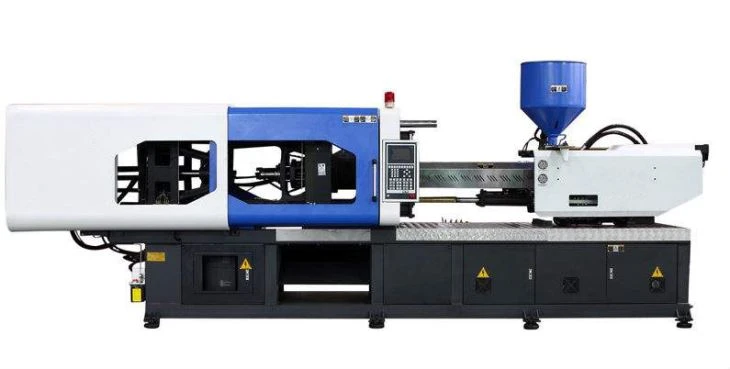

Injection moulding machines are the backbone of the manufacturing industry, and they provide the basic platform for the production of a vast number of plastic products. These machines inject molten plastics into the mould cavity, which then cools and solidifies into the desired form. The versatility and efficiency of the injection moulding machines make these machines indispensable in sectors ranging from automobiles to consumer goods. Among the different types of injection molding machines, vertical and horizontal injection molding machines are unique in their features and applications.
Understanding Injection Moulding Machines
Injection moulding machines are complicated equipment that comprise several major parts, such as the injection unit, clamping unit, and the mould itself. The process starts with the plastic material being fed into the machine, where it is heated and melted. The molten plastic is then injected into the mould cavity under high pressure. Once the plastic cools and solidifies, the mould opens, and the finished product is ejected.
The efficiency and accuracy of injection moulding machines have revolutionized the manufacturing industry in terms of producing high-quality plastic parts in massive quantities with less waste. These machines are capable of making intricate designs that have tight tolerances, so they can be used for most applications.
Vertical Injection Molding Machine
Vertical injection molding machine are identified by their vertical clamping and injection units. The mould opens and closes in a vertical direction, which makes the machine especially suitable for insert moulding applications. Insert moulding is the process of placing a pre-formed component, such as a metal insert, into the mould before the plastic is injected. This makes it easier to place and align inserts with the vertical orientation of the machine, thus achieving precise and consistent results.
The primary benefit of vertical injection molding machine is a relatively small footprint. The floor space requirement of such machines is less compared to their horizontal counterparts, which makes the former ideal for restricted floor space facilities. Moreover, vertical machines are often used in applications where gravity can easily be utilized as an assisting force, such as in heavy-insert molding processes.
Vertical injection molding machines are widely used in the manufacture of electrical components, medical devices, and automotive parts. They are valuable in industries that require high-quality, reliable products because they can perform complex insert moulding tasks with precision.
Horizontal Injection Molding Machine
Horizontal injection molding machine are the most common of injection moulding machines used in industry. In horizontal injection molding machine, the mould opens and closes horizontally. Horizontal injection molding machine work well through easy automation and integration into other production procedures. Horizontal injection molding machines also accommodate larger moulds; hence, ideal for making large parts or multiple small parts in one cycle.
One of the main advantages is that horizontal injection molding machine have the capability for various mould sizes and configurations. It generally suits mass production runs. It also has easy accessibility to the mould, making it an easy machine in terms of maintenance and keeping downtime to a minimum.
Horizontal injection molding machines are very common in consumer goods, packaging, and automotive components. Due to their capacity for producing a high volume of parts in a relatively short time, horizontal injection molding machines are favored by manufacturers for maximizing production.
Manufacturers would be required to select an injection molding machine based on the type of product being produced, the volume to be produced, and the floor space available. Vertical and horizontal molding machines have their advantages and disadvantages, and a decision between them would depend on the specific requirements of an application.
The applications involving insert moulding or a small footprint are well suited to vertical injection molding machine. Due to their capability to precisely execute complex moulding tasks, these machines are invaluable in industries where high-quality and reliable products are demanded.
On the other hand, horizontal injection molding machine are more suitable for a high volume production run and most applications requiring larger moulds. Their versatility and ease of automation have earned a place in manufacturers looking to optimize their production processes.
Conclusion
Injection moulding machines, both vertical and horizontal injection molding machines, are a very important part of the manufacturing industry. The ability to produce high-quality plastic parts with precision and efficiency has revolutionized the way products are made. Manufacturers can make informed decisions that align with their production goals and requirements by understanding the unique features and advantages of each type of machine.
In view of the growth in demand for plastic products, the role played by injection moulding machines in the manufacturing landscape can never be ignored. Whether vertical injection molding or horizontal injection molding, these are the machines which are essential for innovation and productivity in the industry.
Reference Taken from- Justpasteit










Sign in to leave a comment.