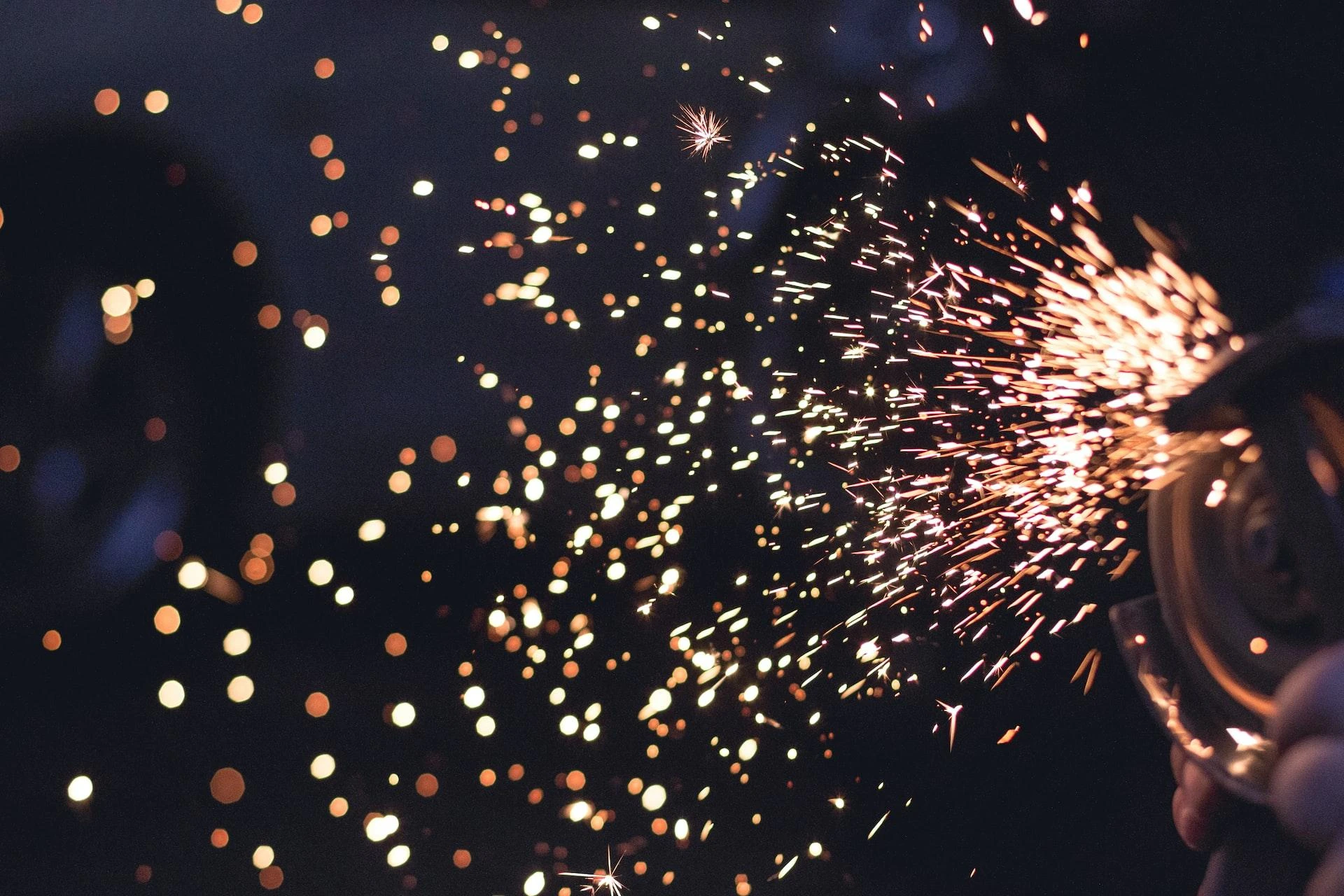

Exploring "What is Grinding" and its Fundamental Role in Manufacturing
So, what is grinding? This pivotal manufacturing process involves the strategic use of abrasive materials to shape and refine workpieces with precision, ensuring exact dimensions and superior surface quality. Its significance spans industries like metalworking, woodworking, ceramics, and beyond, serving as the cornerstone in achieving the required shapes, sizes, and finishes for a multitude of products.
Unveiling the Essence of Grinding
At its core, the question of "What is grinding" is answered through the systematic removal of material from a workpiece using abrasive particles. These particles, bonded to a grinding wheel, enact a cutting action, meticulously eliminating small chips of material. As the grinding wheel rotates at high speeds, it engages with the workpiece's surface, altering its shape or imparting the desired finish.
Varied Types of Grinding Processes
1. Surface Grinding: This process involves refining the surface of a workpiece to achieve flatness, smoothness, or specific contours. Surface grinding machines employ horizontal spindles and abrasive wheels to remove material precisely.
2. Cylindrical Grinding: Utilized to attain cylindrical shapes and high-quality surface finishes, cylindrical workpieces undergo precision grinding. The workpiece rotates while the grinding wheel moves along its length, ensuring accurate material removal.
3. Centerless Grinding: Distinct from cylindrical grinding, this technique doesn’t require a spindle or fixture to secure the workpiece. Instead, it involves feeding the workpiece between two wheels—the grinding wheel and a regulating wheel—ensuring high precision and productivity.
4. Internal Grinding: For precise machining of internal surfaces, internal grinding employs a small grinding wheel to grind the inner diameter of a workpiece, often used in creating accurate bores or holes in materials.
Essential Components in Grinding
Grinding Machine: At the heart of grinding lies the grinding machine—a primary tool consisting of a rotating abrasive wheel, a workpiece holding device, and a reciprocating or rotating table used to move the workpiece against the grinding wheel.
Grinding Wheel: This critical component, responsible for material removal, comprises abrasive particles bonded together using various materials like vitrified bonds, resin, rubber, or metal bonds, tailored to specific application requirements.
Workpiece: Refers to the material undergoing the grinding process, ranging from metals like steel and aluminum to ceramics, composites, and wood, available in diverse shapes and sizes.
Significance of Grinding in Manufacturing
Grinding ensures precision and accuracy, guaranteeing the production of components with tight tolerances that meet specified requirements, thereby enhancing product quality and reliability.
It champions superior surface finishes, meeting aesthetic and functional needs by achieving stringent roughness requirements.
Efficient material removal is another key benefit, allowing manufacturers to shape and finish workpieces rapidly while maintaining precision, thereby enhancing productivity and cost-effectiveness.
Challenges and Innovations in Grinding
Despite its effectiveness, grinding presents challenges like heat generation, wheel wear, and maintaining consistent quality. To address these, continuous advancements in abrasive technology, machine design, and coolant systems have been implemented. Innovations like high-performance abrasive materials, advanced cooling techniques, and computerized control systems have significantly enhanced the efficiency and accuracy of grinding processes.
Concluding Thoughts
In conclusion, the essence of "What is grinding" lies in its indispensable role within the manufacturing landscape. It is the cornerstone that facilitates the production of precision components with superior surface finishes, making it an integral process across diverse industries. With ongoing technological advancements, the future of grinding promises enhancements in efficiency, accuracy, and sustainability, further solidifying its significance in modern manufacturing.









Sign in to leave a comment.