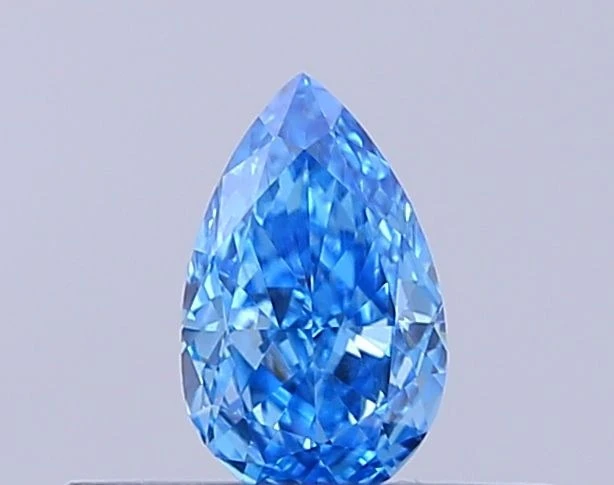
Fabricated diamonds, also known as lab-grown or man-made diamonds, are transforming the global jewelry industry. Created using advanced technological processes that replicate the natural conditions under which diamonds form in the earth, fabricated diamonds are chemically, physically, and optically identical to mined diamonds. What sets them apart is not their beauty or durability, but their origin. As consumers become more conscious of sustainability, ethics, and value, fabricated diamonds are rapidly emerging as a preferred choice for modern luxury.
What Are Fabricated Diamonds?
Fabricated diamonds are real diamonds grown in controlled laboratory environments rather than extracted from the earth. They are composed of pure carbon arranged in the same crystal structure as natural diamonds. Because of this, they exhibit the same hardness, brilliance, fire, and sparkle. Even professional gemologists require specialized equipment to distinguish between fabricated and natural diamonds.
How Fabricated Diamonds Are Made
High Pressure High Temperature (HPHT) Method
The HPHT method mimics the extreme heat and pressure found deep within the earth’s mantle. Carbon is subjected to temperatures above 1,300°C and immense pressure, allowing diamond crystals to form over time. This process was one of the earliest methods used to create fabricated diamonds and is still widely used today.
Chemical Vapor Deposition (CVD) Method
The CVD method involves placing a diamond seed in a sealed chamber filled with carbon-rich gases. These gases are energized, causing carbon atoms to bond to the seed layer by layer. This process allows for greater control over diamond size, clarity, and color, making it highly popular for jewelry-grade diamonds.
Fabricated Diamonds vs Natural Diamonds
From a visual and structural standpoint, fabricated diamonds are indistinguishable from natural diamonds. Both score a perfect 10 on the Mohs hardness scale and offer identical brilliance and durability. The key differences lie in their origin, environmental impact, and price. Fabricated diamonds generally cost 30–50% less than mined diamonds of comparable quality, making luxury more accessible without compromising beauty or quality.
Ethical and Environmental Benefits
One of the strongest advantages of fabricated diamonds is their ethical sourcing. Unlike some mined diamonds, fabricated diamonds are free from concerns related to conflict financing or unsafe labor practices. Additionally, they require significantly less land disruption and water usage, and they produce a smaller carbon footprint when responsibly manufactured. For eco-conscious consumers, this makes fabricated diamonds a compelling alternative.
Quality, Certification, and Value
Fabricated diamonds are graded and certified by leading gemological institutions such as GIA and IGI using the same standards applied to natural diamonds. They are evaluated based on the 4Cs: cut, color, clarity, and carat weight. This ensures transparency and confidence for buyers. In terms of value, fabricated diamonds offer exceptional quality at a more affordable price point, allowing consumers to choose larger or higher-grade stones within the same budget.
Fabricated Diamonds in Modern Jewelry
Today, fabricated diamonds are widely used in engagement rings, wedding bands, earrings, pendants, and custom-designed jewelry. Major jewelers across the world now offer extensive collections featuring lab-grown diamonds, reflecting a shift in consumer demand. Younger generations, in particular, appreciate the combination of innovation, sustainability, and affordability that fabricated diamonds represent.
Common Myths About Fabricated Diamonds
A common misconception is that fabricated diamonds are fake or inferior. In reality, they are genuine diamonds with the same physical properties as mined stones. Another myth is that they lack long-term durability, which is untrue. Fabricated diamonds are just as strong and long-lasting, making them suitable for everyday wear and heirloom jewelry.
The Future of Fabricated Diamonds
As technology continues to advance, the quality and availability of fabricated diamonds will only improve. With increasing awareness and acceptance, they are poised to play a major role in the future of the jewelry industry. More consumers are choosing diamonds that align with their values, and fabricated diamonds meet this demand perfectly.
Conclusion
Fabricated diamonds represent a remarkable blend of science, beauty, and responsibility. They offer all the brilliance and durability of natural diamonds while addressing ethical, environmental, and economic concerns. As perceptions evolve and sustainability becomes a priority, fabricated diamonds are no longer an alternative choice they are a modern standard. Whether for an engagement ring or a timeless piece of jewelry, fabricated diamonds shine as a smart and forward-thinking investment in luxury. Visit the official website of skygem.com.au




























Sign in to leave a comment.