

Attendance tracking has come a long way, hasn’t it? Not too long ago, businesses relied heavily on manual registers, punch cards, or supervisors ticking names off a list. While these methods worked to some extent, they were slow, error-prone, and—let’s be honest—easy to manipulate. Employees could sign in for one another, records could be misplaced, and HR teams often spent hours reconciling attendance data. It was like trying to manage a modern business with outdated tools.
Then came digital attendance systems, introducing swipe cards, PIN-based logins, and early biometric solutions. These improvements helped reduce manual errors but still had limitations. Cards could be lost or shared, and PINs could be forgotten or compromised. Businesses needed something smarter, something that couldn’t be duplicated or misused easily. That’s where the facial recognition attendance system stepped in, offering a seamless blend of security, convenience, and automation. It’s not just an upgrade—it’s a transformation in how organizations manage time and attendance.
Rise of Biometric Technologies
Biometric technology has revolutionized identity verification across industries. From unlocking smartphones to airport security checks, biometrics have become part of everyday life. Among all biometric solutions, facial recognition stands out because it’s non-intrusive and incredibly efficient. Unlike fingerprint scanners or iris recognition, it doesn’t require physical contact or specialized positioning.
Businesses are increasingly adopting face recognition time attendance systems because they align perfectly with modern workplace needs. They are fast, accurate, and capable of handling large volumes of employees without bottlenecks. With growing concerns around hygiene and safety, especially in shared environments, contactless solutions have become more important than ever. This shift isn’t just about technology—it’s about creating smarter, safer, and more efficient workplaces.
What Is a Facial Recognition Attendance System?
Definition and Core Functionality
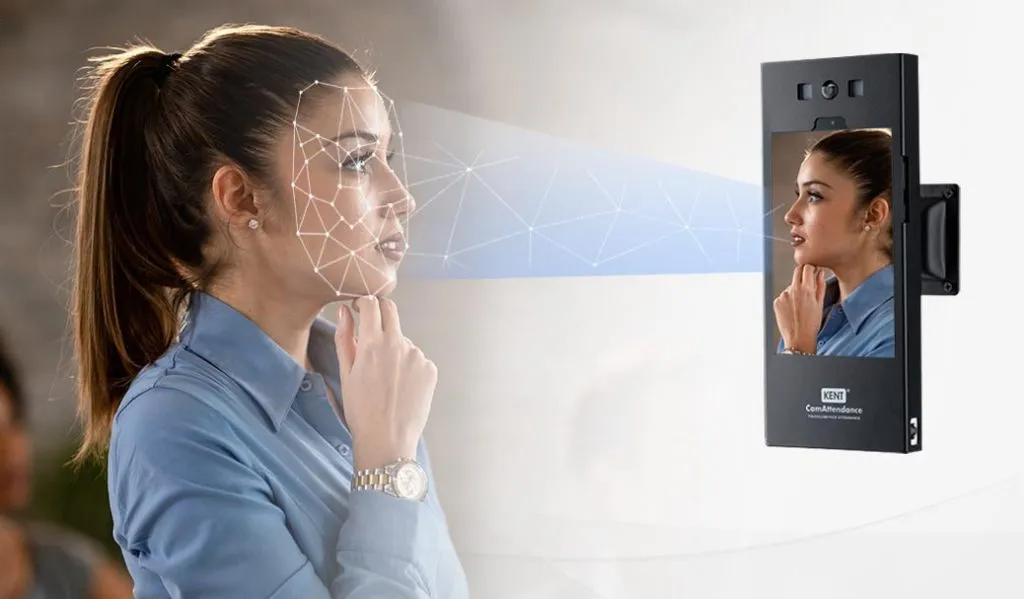
A facial recognition attendance system is a biometric solution that identifies and verifies employees based on their facial features. Instead of relying on physical tokens or passwords, the system uses advanced algorithms to analyze unique facial characteristics such as the distance between eyes, nose shape, and jawline structure. Once recognized, the system logs attendance automatically with accurate timestamps.
Think of it as a digital gatekeeper that never forgets a face. Employees simply walk in, glance at a camera, and their attendance is recorded instantly. There’s no need to swipe cards or press buttons, making the process smooth and hassle-free. This level of automation not only saves time but also eliminates human error, ensuring reliable data for payroll and workforce management.
Key Components of the System
Behind the simplicity of a face recognition time attendance system lies a combination of powerful technologies working together. Cameras capture facial images, software processes and analyzes them, and a centralized database stores employee profiles. Artificial intelligence plays a crucial role in matching faces accurately, even under varying lighting conditions or slight changes in appearance.
Additionally, many modern systems are integrated with cloud platforms, allowing businesses to access attendance data from anywhere. This is especially useful for organizations with multiple locations or remote teams. The system becomes more than just a tracking tool—it evolves into a comprehensive workforce management solution.
How Face Recognition Time Attendance Works
Step-by-Step Process
The working mechanism of a face recognition time attendance system may sound complex, but it’s actually quite straightforward when broken down. First, employees register their faces in the system, creating a unique digital template. When they arrive at work, a camera captures their face in real time. The system then compares this image with stored templates to find a match.
Once a match is confirmed, attendance is recorded automatically. The entire process takes just a few seconds, ensuring there are no delays or queues. It’s like having a smart assistant who recognizes every employee instantly and logs their presence without any manual intervention.
Role of Artificial Intelligence
Artificial Intelligence is the backbone of modern facial recognition systems. It enables the software to learn and adapt over time, improving accuracy with each interaction. Machine learning algorithms analyze patterns, detect anomalies, and even prevent fraudulent attempts such as using photos or videos to trick the system.
AI also enhances performance in challenging conditions, such as low lighting or crowded environments. This ensures that the system remains reliable and efficient, regardless of external factors. In essence, AI transforms a simple camera into an intelligent system capable of making real-time decisions.
Key Features of Modern Face Recognition Systems
Real-Time Attendance Monitoring
One of the standout features of a facial recognition attendance system is real-time monitoring. Managers can instantly view attendance data, track employee movements, and identify patterns such as late arrivals or early departures. This level of visibility helps businesses make informed decisions and improve operational efficiency.
Contactless and Touch-Free Operation
In today’s world, hygiene and safety are top priorities. Contactless systems eliminate the need for physical interaction, reducing the risk of contamination. Employees don’t have to touch shared devices, making the workplace safer and more comfortable.
Benefits of Facial Recognition Attendance Systems
Accuracy and Fraud Prevention
Accuracy is where facial recognition truly shines. Since every individual’s face is unique, the chances of duplication or fraud are extremely low. This eliminates issues like buddy punching, where employees clock in for each other. Businesses can rely on accurate data for payroll and performance analysis.
Time and Cost Efficiency
While the initial setup may require investment, the long-term benefits outweigh the costs. Automated systems reduce administrative workload, minimize errors, and save time for HR teams. Over time, this leads to significant cost savings and improved productivity.
Face Recognition vs Other Attendance Systems
Comparison Table
| Feature | Face Recognition | Fingerprint | RFID Cards |
|---|---|---|---|
| Contactless | Yes | No | Yes |
| Accuracy | High | High | Medium |
| Fraud Prevention | Excellent | Good | Low |
| Maintenance | Low | Medium | High |
| User Convenience | Very High | Medium | Low |
Advantages Over Fingerprint and RFID
Compared to other systems, facial recognition offers unmatched convenience and security. Fingerprint systems require physical contact, while RFID cards can be lost or shared. Facial recognition eliminates these issues, providing a seamless and reliable solution.
Industry Applications
Corporate Sector
In corporate environments, face recognition time attendance systems streamline operations by automating attendance tracking. They help HR teams focus on strategic tasks rather than administrative work.
Education and Government
Educational institutions and government organizations are also adopting these systems to improve accountability and transparency. They ensure accurate attendance records and reduce manual errors.
Challenges and Considerations
Privacy and Data Security
Despite its advantages, facial recognition technology raises concerns about privacy and data security. Businesses must ensure that employee data is stored securely and used responsibly. Clear policies and compliance with regulations are essential.
Implementation Costs and Setup
Initial costs can be a barrier for some organizations. However, with advancements in technology, solutions are becoming more affordable and scalable.
Future Trends in Face Recognition Attendance
AI and Automation Integration
The future of facial recognition attendance systems lies in deeper AI integration. Systems will not only track attendance but also provide insights into employee behavior and productivity.
Cloud-Based Workforce Management
Cloud technology is making these systems more accessible and flexible. Businesses can manage attendance across multiple locations with ease, ensuring scalability and efficiency.
Conclusion
The facial recognition attendance system is redefining how businesses manage their workforce. By combining advanced technology with user-friendly features, it offers a reliable and efficient solution for modern workplaces. As organizations continue to embrace digital transformation, face recognition time attendance systems will play a crucial role in shaping the future of workforce management.






















Sign in to leave a comment.