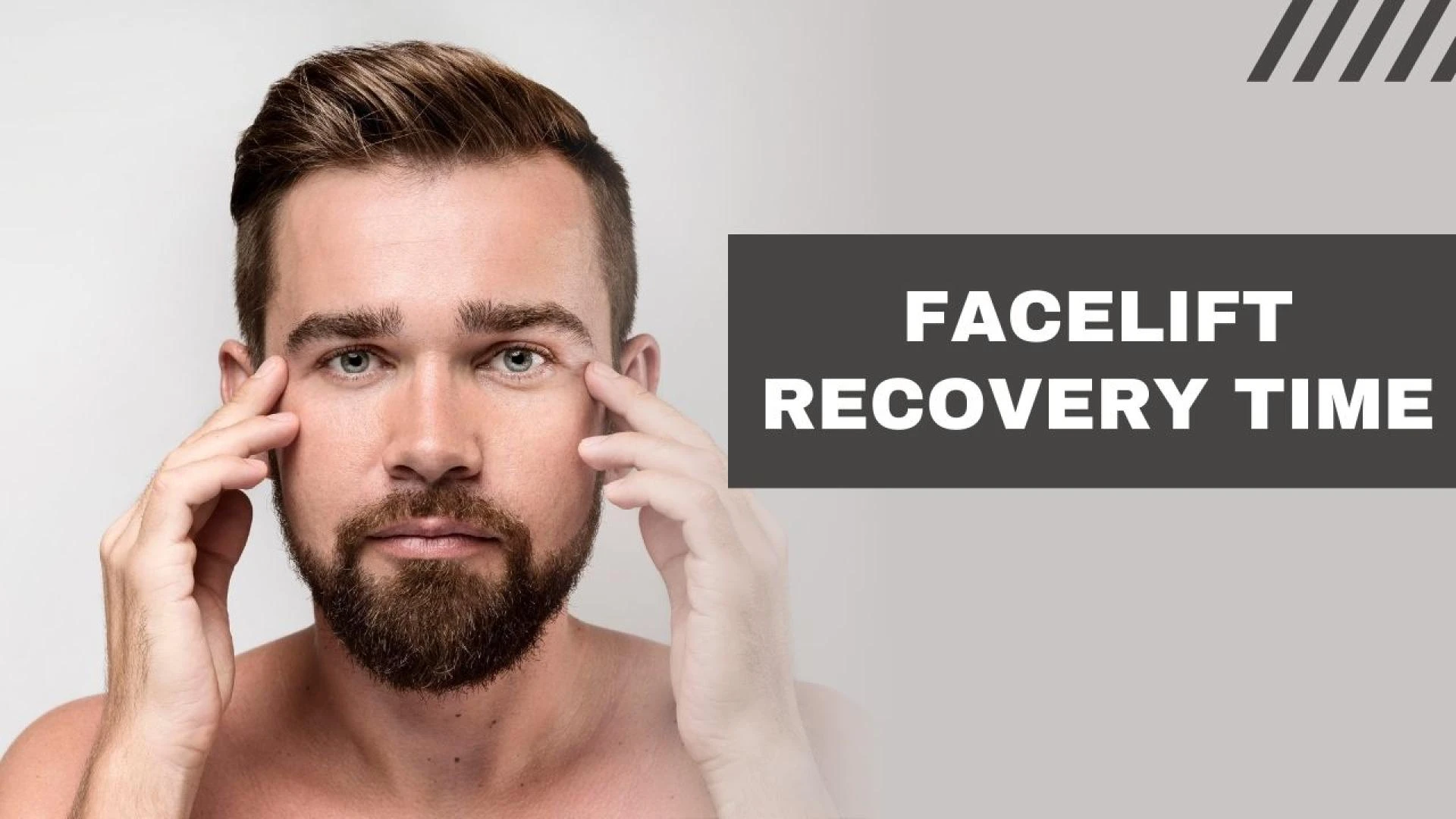

Facelift Recovery Time: A Complete Guide to Healing and Results
Facelift surgery is a popular cosmetic procedure that helps reduce signs of aging by tightening the skin and underlying tissues. If you’re considering this surgery, understanding the Facelift recovery time is crucial to ensure proper healing and optimal results. In this guide, we’ll break down the recovery timeline, what to expect, and how to care for yourself post-surgery.
What is Recovery Time?
Recovery time refers to the period required for your skin, muscles, and tissues to heal after undergoing facelift surgery. On average, the initial healing phase lasts around 2 to 3 weeks, while complete recovery may take several months. The exact duration varies based on factors such as the type of Facelift, individual healing ability, and post-operative care.
During this period, patients may experience swelling, bruising, and tightness in the facial area. It is important to follow the surgeon’s post-operative guidelines carefully to avoid complications and promote faster healing. Recovery is a gradual process, and final results may take months to become fully visible as the skin settles into its new position.
Why is Understanding Important?
Knowing what to expect during recovery helps in planning for time off work, managing discomfort, and ensuring the best possible results. Understanding the facelift recovery time can also help you:
- Avoid unnecessary stress and anxiety
- Follow post-operative care instructions effectively
- Reduce risks of complications
- Plan social and work commitments accordingly
Many patients underestimate the time it takes to heal fully. While external bruising and swelling may resolve within a few weeks, deeper tissue healing takes longer. Setting realistic expectations about facelift recovery can help individuals prepare mentally and physically for the journey ahead.
Facelift Recovery Timeline: What to Expect
The recovery process after a facelift generally follows this timeline:
First Week (Days 1-7):
- Swelling and bruising peak within the first 48 hours.
- Mild to moderate pain can be managed with prescribed medications.
- You’ll need to keep your head elevated to minimize swelling.
- Limited movement is recommended to avoid straining your incisions.
- Follow-up visits with your surgeon are required to monitor healing.
During this stage, rest is crucial. Patients should avoid bending over, lifting heavy objects, or making sudden facial movements that could strain incisions. Keeping the head elevated while sleeping and avoiding excessive facial expressions can contribute to smoother healing.
Second Week (Days 8-14):
- Swelling and bruising start to subside, but mild puffiness may remain.
- Stitches are usually removed by the end of the second week.
- You may feel tightness and numbness, which is normal.
- Light activities can be resumed, but strenuous exercises are still restricted.
Patients may start feeling more comfortable during this period. However, it is essential to continue avoiding any activities that could put stress on the healing tissues, such as intense physical exercise, excessive sun exposure, or wearing tight-fitting headwear.
Third and Fourth Week (Days 15-30):
- Most swelling and bruising will have significantly diminished.
- You can start resuming work and social activities with caution.
- Light exercises, such as walking, are encouraged.
- Incisions continue to heal and become less noticeable.
By the end of the first month, patients often begin to feel more like themselves. However, minor swelling and residual tightness may persist. It is still important to follow the surgeon’s guidelines, especially when it comes to skincare and sun protection.
One to Three Months:
- The skin feels more natural, and numbness gradually fades.
- Most residual swelling is gone, revealing a more youthful appearance.
- You can resume full physical activities, including exercise.
- Final results begin to appear.
Benefits of a Proper Facelift Recovery
Following the recommended facelift recovery time ensures you achieve the best possible results. The benefits include:
- Reduced risk of complications such as infection or scarring.
- Long-lasting, youthful appearance with well-healed incisions.
- Faster healing with proper post-operative care.
- Improved confidence as swelling subsides and final results emerge.
Many patients also explore non-invasive treatments such as Botox and Vampire Facials to maintain their youthful appearance after recovery. Botox helps smooth fine lines and wrinkles, while a Vampire Facial (platelet-rich plasma therapy) rejuvenates the skin by stimulating collagen production.
Risks and Side Effects During Facelift Recovery
While facelifts are generally safe, there are risks and potential side effects associated with the recovery process:
Common Side Effects:
- Swelling and bruising
- Mild pain and discomfort
- Temporary numbness or tightness
- Scarring (usually minimal and hidden)
Potential Risks:
- Infection if aftercare instructions are not followed
- Hematoma (blood clot under the skin)
- Prolonged swelling or asymmetry
- Nerve damage (rare but possible)
How to Speed Up Facelift Recovery Time
To ensure a smoother and quicker recovery, follow these essential tips:
- Follow your surgeon’s post-op instructions carefully.
- Keep your head elevated to reduce swelling.
- Apply cold compresses in the first few days to minimize bruising.
- Avoid smoking and alcohol, as they can slow healing.
- Stay hydrated and eat a nutrient-rich diet to support tissue repair.
- Limit strenuous activities and heavy lifting until cleared by your surgeon.
- Consider maintenance treatments like Botox and Vampire Facials to enhance and prolong your facelift results.
When to Contact Your Surgeon
While some discomfort is normal, contact your surgeon if you experience:
- Excessive bleeding or pus from incisions
- Severe pain that doesn’t improve with medication
- High fever or chills (signs of infection)
- Uneven swelling or prolonged numbness
Conclusion
Understanding the facelift recovery time is essential for achieving optimal results and a smooth healing process. With proper care, patience, and adherence to post-op guidelines, you can enjoy a youthful, refreshed appearance with long-lasting results. If you’re considering a facelift, consult with a board-certified surgeon to discuss expectations and recovery plans tailored to your needs.
FAQs
How long does it take to recover from a facelift?
The initial healing phase takes about 2 to 3 weeks, but full recovery may take several months.
When can I return to work after a facelift?
Most patients can return to work within 2 to 3 weeks, depending on their healing progress and job requirements.
How can I reduce swelling after a facelift?
Keep your head elevated, use cold compresses in the first few days, and avoid salty foods to help reduce swelling.
Will I have visible scars after a facelift?
Scars are usually minimal and placed in hidden areas, such as behind the ears or along the hairline, to make them less noticeable.
Is it normal to feel numbness after a facelift?
Yes, temporary numbness is common and usually resolves within a few weeks to months as the nerves heal.
Can I exercise after a facelift?
Light walking is encouraged after the first week, but strenuous activities should be avoided for at least 4 to 6 weeks.
What should I eat during facelift recovery?
A nutrient-rich diet with plenty of vitamins, protein, and hydration helps support healing and reduces swelling.























Sign in to leave a comment.