

Introduction:
Fashion is an ever-evolving art form that reflects the uniqueness of various cultures around the globe. From traditional garments to modern trends, fashion has long been intertwined with a culture's history, beliefs, and social norms. In this blog, we will embark on a fascinating journey through the diverse world of fashion, exploring traditions, discovering the latest trends, and delving deeper into the cultural significance of clothing from different parts of the world.
1. The Timeless Elegance of Indian Sarees:
In India, the saree holds a special place in fashion and culture. This six to nine-yard-long fabric epitomizes grace and elegance. The art of draping a saree varies across regions and communities, reflecting the vast cultural diversity of the country. For example, the Nivi style from Andhra Pradesh, the Bengali style, and the Gujarati style all showcase unique draping techniques.
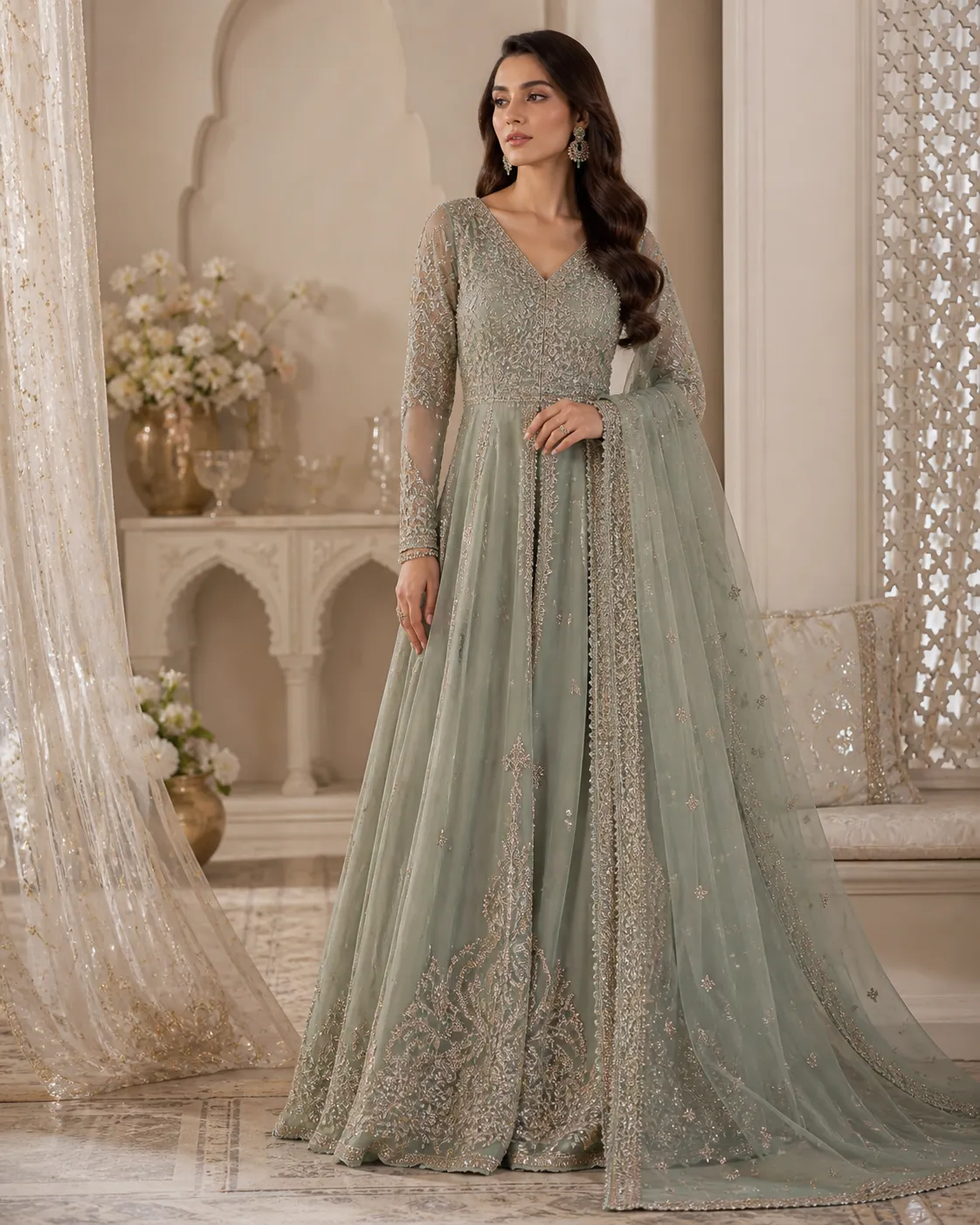
Indian sarees are often adorned with intricate embroidery, sequins, and zari work, which add to their allure. The diversity of fabrics, ranging from the rich Banarasi silk sarees to the vibrant Kanjivarams and delicate Chanderis, makes the saree an iconic outfit for various occasions, from weddings to festive celebrations. Indian sarees continue to inspire designers globally, making them a timeless trend in the world of fashion.
2. Japanese Kimonos: Tradition Meets Modernity:
The Japanese kimono is a traditional garment known for its exquisite craftsmanship and attention to detail. Worn by both men and women, kimonos have a rich history that dates back centuries. While the classic kimono remains an essential part of Japanese culture and is typically worn during special occasions and ceremonies, contemporary designers have found ways to blend tradition with modernity.
Today, kimono-inspired jackets, dresses, and accessories have become popular fashion trends worldwide, celebrating Japan's rich artistic heritage. The elegant simplicity of the kimono design, often featuring subtle patterns and calming colors, has captured the hearts of fashion enthusiasts globally. Additionally, the concept of "wa" or harmony, which is integral to Japanese culture, is embodied in the kimono's design and aesthetics.
3. African Prints and Patterns: A Burst of Vibrancy:
African fashion is a celebration of color, pattern, and individuality. The continent's diverse cultures inspire clothing that ranges from bold, colorful prints to earthy, tribal designs. The use of wax prints, ankara fabrics, and kente cloth has gained international recognition, influencing fashion runways and streetwear alike.
African fashion trends are all about embracing cultural identity and celebrating heritage with pride. The designs often carry symbolic meanings and tell stories of African traditions, history, and spirituality. African designers and artisans have skillfully incorporated these vibrant prints and patterns into modern silhouettes, appealing to a global audience seeking unique and eye-catching fashion choices.
4. The Allure of Middle Eastern Fashion:
The Middle East boasts a rich history of fashion that blends traditional values with contemporary aesthetics. Abayas, kaftans, and hijabs are iconic garments worn by many women in the region. The abaya, a loose-fitting cloak, is a symbol of modesty and elegance, while the kaftan, with its flowing silhouette, reflects comfort and grace.
The hijab, a headscarf worn by Muslim women, has evolved into a fashion statement, with various styles and materials available to suit different preferences. In recent times, these traditional clothing items have seen a global resurgence, with designers incorporating Middle Eastern influences into modern collections.
The fusion of modern fashion with Middle Eastern flair offers a unique and sophisticated appeal, appealing to a broader audience that appreciates the cultural significance and artistic value of these traditional garments.
5. Scandinavian Minimalism: A Chic Statement:
Scandinavian fashion is renowned for its minimalist approach, clean lines, and functional designs. Brands from countries like Sweden, Denmark, and Norway have gained global popularity for their understated yet stylish clothing. The focus on sustainability and ethical fashion practices has also made Scandinavian trends highly sought-after in the current fashion landscape.
The simplicity and practicality of Scandinavian fashion reflect the region's harsh climate and deep-rooted appreciation for nature and functionality. This aesthetic has resonated with fashion-conscious individuals seeking versatile, timeless pieces that blend seamlessly into their wardrobe.
6. Latin American Exuberance:
Latin American fashion embraces a lively and spirited aesthetic. With influences from indigenous cultures, Latin American fashion is characterized by vibrant colors, intricate embroidery, and bold patterns. Each country in the region brings its unique flair to the world of fashion, with traditional clothing varying significantly from one nation to another.
Fashion events like "São Paulo Fashion Week" in Brazil and "Colombiamoda" in Colombia showcase the creativity and diversity of Latin American designers. Latin American fashion often celebrates indigenous craftsmanship and cultural heritage, infusing a sense of pride and identity into contemporary designs.
7. Fusion Fashion: Global Style Statements:
As the world becomes more interconnected, fashion trends have started to transcend borders and cultures. Fusion fashion is all about blending elements from different traditions, resulting in captivating and innovative styles. From Indo-Western fusion outfits to African-inspired athleisure wear, fashion designers are creating diverse looks that cater to a global audience.
The fusion of traditional and modern designs has given rise to exciting trends that resonate with fashion enthusiasts worldwide. Fashion shows and events frequently feature collections that showcase the seamless integration of cultural elements from different parts of the world, promoting cross-cultural understanding and appreciation.
Conclusion:
Fashion is a powerful expression of cultural identity, and exploring the diverse traditions and trends from different cultures is an enriching experience. As the world continues to shrink through globalization, fashion will play an essential role in bridging the gaps between different societies.
By appreciating and incorporating elements from various cultures, we celebrate the richness of human creativity and create a more inclusive and vibrant global fashion landscape. So, the next time you pick up a piece of clothing, take a moment to appreciate the cultural stories woven into its threads.
Whether you prefer classic elegance or cutting-edge trends, fashion will always be a reflection of our cultural heritage and a canvas for creative expression. Embrace the beauty of diversity and allow fashion to connect you with the richness of the world's different cultures. Remember, fashion knows no boundaries, and there's a whole world of inspiration waiting to be explored. Let's celebrate and embrace the beauty of fashion from different cultures, together!























Sign in to leave a comment.