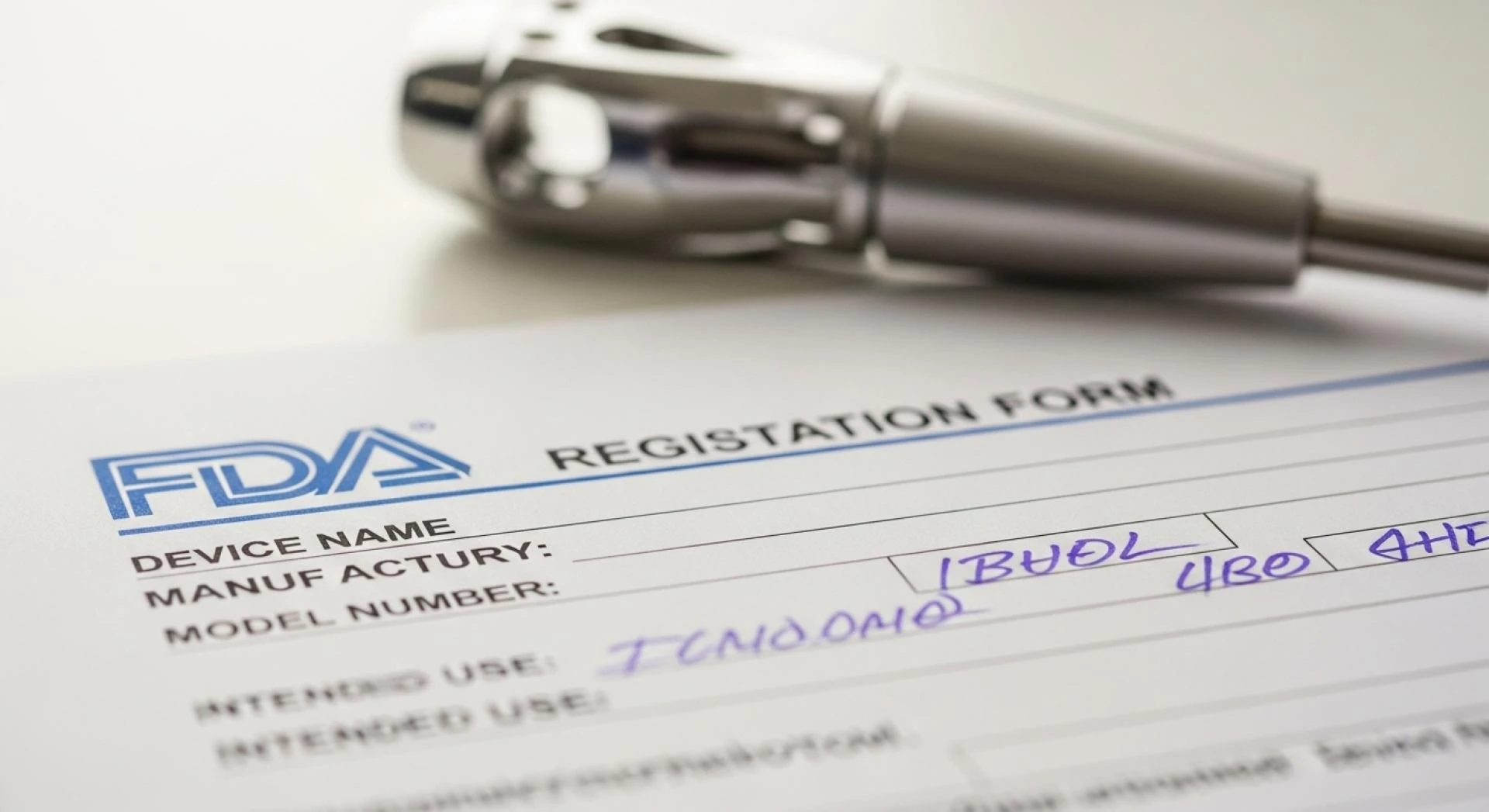
In the rapidly advancing healthcare industry, ensuring the safety and quality of medical devices is not optional; it’s a necessity. That’s where FDA medical device registration comes into play. The U.S. Food and Drug Administration (FDA) regulates all medical devices that are manufactured, imported, or distributed in the United States to ensure they meet strict safety and performance standards.
Whether you’re a manufacturer, importer, or distributor, obtaining proper registration is the first step toward building credibility and gaining access to the U.S. market.
What Is FDA Medical Device Registration?
FDA medical device registration is the process through which facilities involved in manufacturing or distributing medical devices provide their business and product information to the FDA. This registration helps the agency monitor, inspect, and verify that devices entering the U.S. market comply with established safety and quality standards.
However, registration does not mean product approval. Instead, it indicates that your establishment and devices are recognized by the FDA, allowing for inspections and verification at any time. This ensures traceability and accountability within the medical device industry.
The Importance of FDA Medical Device Registration
For any company aiming to sell medical devices in the U.S., FDA medical device registration is mandatory. Without proper registration, devices can be detained at customs, delayed, or even banned from the market.
Beyond legality, compliance offers several advantages:
- Market Access: Only registered facilities can legally distribute devices in the United States.
- Consumer Confidence: Registration demonstrates that your company values quality and patient safety.
- Brand Reputation: Businesses with FDA compliance gain higher credibility and trust among clients and partners.
- Global Opportunities: Many international markets respect FDA standards, making registration a gateway to worldwide recognition.
Understanding Device Classification
Before applying for FDA medical device registration, it’s crucial to determine your device classification. The FDA categorizes devices into three classes based on their risk level:
Class I Devices – Low Risk
These include simple items like bandages or stethoscopes. Most Class I devices are exempt from premarket notification but still require establishment registration and device listing.
Class II Devices – Moderate Risk
Examples include blood pressure monitors or surgical gloves. These devices usually require a 510(k) premarket notification to prove that they are substantially equivalent to existing approved devices.
Class III Devices – High Risk
These are life-sustaining or life-supporting devices, such as pacemakers or implantable defibrillators. They require premarket approval (PMA) and rigorous clinical testing before market entry.
Understanding your device class helps you determine the level of regulatory control needed for compliance.
Key Steps in FDA Medical Device Registration
Achieving FDA medical device registration may seem daunting, but breaking it into clear steps makes the process manageable and efficient.
Step 1: Determine the Device Classification
The first step is identifying which class your device belongs to. The classification determines the registration and approval pathway you’ll need to follow.
Step 2: Assign a U.S. Agent (for Foreign Companies)
If your company is based outside the U.S., you must designate a U.S. Agent. This agent serves as your communication point between your company and the FDA, ensuring all regulatory requirements are met.
Step 3: Register Your Establishment
All medical device manufacturers, importers, and specification developers must register their facilities through the FDA’s FURLS (FDA Unified Registration and Listing System). Once registered, your establishment receives a unique registration number.
Step 4: List Your Devices
Each device you plan to sell must be listed with the FDA. Listing includes device name, intended use, and regulatory classification.
Step 5: Submit 510(k) or PMA (If Required)
Depending on the classification, some devices require a 510(k) submission or a PMA to demonstrate safety and effectiveness. These submissions involve detailed technical documentation and testing data.
Step 6: Pay the Annual Establishment Fee
All registered facilities must pay an annual fee to maintain active registration. Failure to pay may result in suspension of registration status.
Step 7: Maintain Ongoing Compliance
After registration, maintaining FDA compliance through inspections, audits, and reporting is essential. Regular updates ensure your registration remains valid and accurate.
Common Challenges in FDA Medical Device Registration
Many companies face difficulties during the registration process due to its technical nature and strict documentation standards. Some of the most common challenges include:
- Confusion over device classification.
- Incomplete or inaccurate documentation.
- Delays in communication with the FDA.
- Missed renewal deadlines.
- Lack of understanding of U.S. regulatory expectations.
To overcome these hurdles, many manufacturers partner with experienced compliance consultants who handle the technicalities while ensuring full accuracy.
How Comply Networks Simplifies FDA Medical Device Registration
Comply Networks provides professional FDA medical device registration services designed to support businesses of all sizes. Their regulatory experts handle every step of the process, from determining device classification to preparing accurate submissions and managing renewals.
With deep knowledge of FDA regulations, Comply Networks ensures that your documentation is complete, your deadlines are met, and your registration complies with every requirement. Their goal is to make the registration process fast, stress-free, and compliant from start to finish.
By working with experienced professionals, businesses can focus on innovation and production while experts handle the complex regulatory aspects.
Benefits of Professional Assistance for FDA Medical Device Registration
Partnering with specialists like Comply Networks offers numerous advantages:
- Expert Guidance: Experienced consultants interpret FDA regulations correctly and prevent errors.
- Time Savings: Professionals streamline the registration process, avoiding unnecessary delays.
- Regulatory Accuracy: Every submission and document is checked for compliance with FDA rules.
- Ongoing Support: Continuous assistance ensures annual renewals and updates are handled promptly.
- Global Readiness: With proper registration, companies gain credibility in both U.S. and international markets.
In short, expert assistance ensures that your device registration is handled right the first time—saving you time, money, and frustration.
Maintaining FDA Compliance After Registration
Once your FDA medical device registration is complete, ongoing compliance becomes equally important. The FDA may inspect your facility to ensure continued adherence to Good Manufacturing Practices (GMP) and quality control standards.
To maintain compliance:
- Keep records of production, testing, and labeling.
- Update registration if there are ownership or location changes.
- Renew annually within the designated period (October 1 to December 31).
- Conduct internal audits to identify and fix potential non-conformities.
Staying compliant isn’t just about passing inspections, it’s about maintaining a reputation for reliability and patient safety.
The Global Significance of FDA Medical Device Registration
Beyond U.S. borders, FDA medical device registration serves as a mark of quality and trust recognized worldwide. Many countries view FDA standards as benchmarks for safety, making your products more acceptable in global markets.
For international manufacturers, FDA registration opens new business opportunities and demonstrates dedication to quality assurance. It shows that your company values transparency, patient safety, and adherence to global best practices.
Frequently Asked Questions (FAQs)
Q1. What is FDA medical device registration?
It’s the process by which medical device manufacturers, importers, or distributors register their establishments and list their products with the U.S. Food and Drug Administration.
Q2. Does registration mean the FDA approves my device?
No. Registration means the FDA recognizes your establishment and devices, but it does not imply product approval or endorsement.
Q3. Who needs to register their medical devices with the FDA?
All companies manufacturing, importing, or distributing FDA-regulated medical devices in the U.S. must complete registration.
Q4. How often should registration be renewed?
Registration must be renewed annually between October 1 and December 31 to remain active.
Q5. How can Comply Networks help with registration?
Comply Networks assists with every stage of FDA medical device registration, from classification and documentation to submission and renewal, ensuring accuracy and compliance.
Simplify Your FDA Medical Device Registration Journey
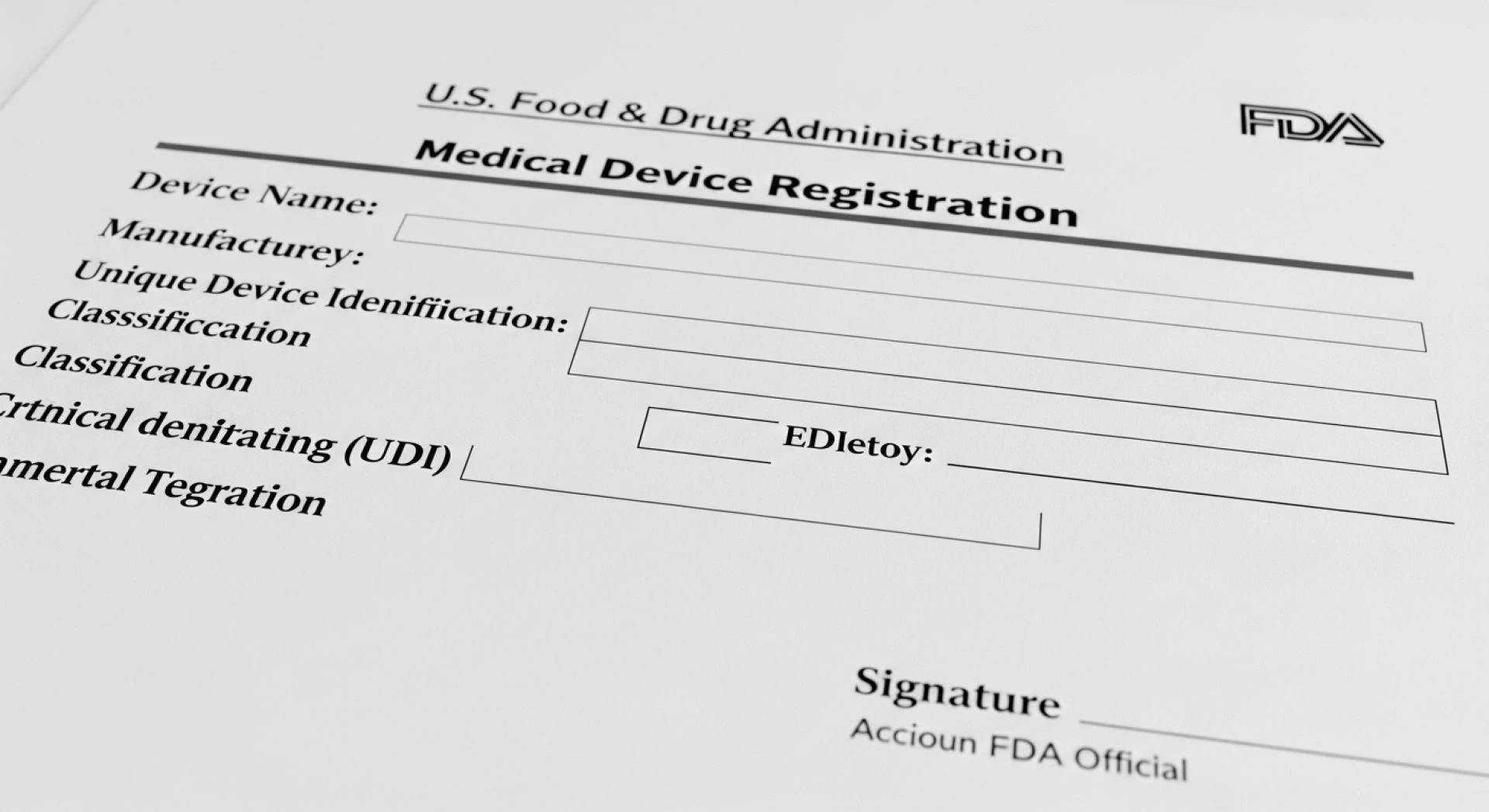
FDA medical device registration is an essential step for any business seeking entry into the U.S. healthcare market. It safeguards patients, ensures product quality, and enhances your company’s global reputation.
While the process can be complex, professional guidance from Comply Networks makes it simple, efficient, and fully compliant. With the right expertise, you can confidently bring your medical devices to market, secure in the knowledge that your operations meet every FDA standard.



























Sign in to leave a comment.