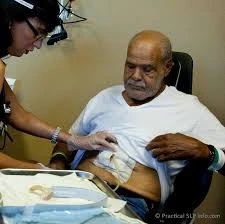

Feeding tubes are vital medical devices used to provide nutrition to individuals who cannot eat or swallow safely. Speech-language pathologists (SLPs) play a critical role in the management and care of patients with feeding tubes, ensuring that they receive adequate nutrition while addressing the underlying swallowing and feeding disorders. This comprehensive guide explores the types of feeding tubes, the role of SLPs, and the therapeutic approaches used in managing patients with feeding tubes.
What Are Feeding Tubes?
Definition
Feeding tubes slp are medical devices inserted into the body to deliver nutrition directly to the stomach or intestines. They are used when individuals cannot consume food orally due to medical conditions that impair swallowing or digestion.
Types of Feeding Tubes
Nasogastric Tube (NG Tube): Inserted through the nose and down into the stomach. Used for short-term feeding.Nasoduodenal Tube (ND Tube): Inserted through the nose and extends to the duodenum (the first part of the small intestine).Nasojejunal Tube (NJ Tube): Inserted through the nose and extends to the jejunum (the second part of the small intestine).Gastrostomy Tube (G-Tube): Surgically inserted directly into the stomach through the abdominal wall. Used for long-term feeding.Jejunostomy Tube (J-Tube): Surgically inserted into the jejunum through the abdominal wall.Gastrojejunostomy Tube (GJ Tube): Inserted into the stomach but extends into the jejunum, allowing for feeding into both the stomach and small intestine.Indications for Feeding Tubes
Medical Conditions
Feeding tubes are used for a variety of medical conditions that impair the ability to eat or swallow safely, including:
Neurological Disorders: Conditions like stroke, Parkinson’s disease, multiple sclerosis, and amyotrophic lateral sclerosis (ALS) that affect swallowing muscles.Congenital Anomalies: Birth defects such as cleft palate, esophageal atresia, and tracheoesophageal fistula.Cancer: Head, neck, and esophageal cancers that obstruct the passage of food.Critical Illness: Severe illnesses that require prolonged mechanical ventilation or result in decreased consciousness.Gastrointestinal Disorders: Conditions like gastroparesis, Crohn’s disease, and severe gastroesophageal reflux disease (GERD).Short-Term vs. Long-Term Use
Short-Term Use: Typically involves NG, ND, or NJ tubes and is used for temporary feeding needs.Long-Term Use: Involves G-tubes, J-tubes, or GJ-tubes for patients requiring prolonged enteral nutrition.Role of Speech-Language Pathologists (SLPs)
Assessment and Diagnosis
SLPs are trained to assess and diagnose swallowing disorders (dysphagia) that may necessitate the use of feeding tubes. The assessment process includes:
Clinical Swallowing Evaluation: Observing the patient’s ability to swallow various consistencies of food and liquid.Instrumental Assessments: Utilizing tools like videofluoroscopic swallow study (VFSS) or fiberoptic endoscopic evaluation of swallowing (FEES) to visualize swallowing mechanics and identify aspiration risks.Collaborative Care
SLPs work closely with a multidisciplinary team, including physicians, dietitians, nurses, and occupational therapists, to develop a comprehensive care plan for patients with feeding tubes. This collaborative approach ensures that all aspects of the patient’s health and nutrition are addressed.
Therapeutic Interventions
SLPs employ various therapeutic interventions to improve swallowing function and potentially transition patients from tube feeding to oral feeding:
Swallowing Exercises: Exercises to strengthen the muscles involved in swallowing and improve coordination.Compensatory Strategies: Techniques to enhance safe swallowing, such as positioning adjustments and modified feeding techniques.Oral Motor Therapy: Exercises to improve the strength and function of the oral and pharyngeal muscles.Sensory Stimulation: Techniques to increase oral sensory awareness and improve the swallowing response.Transitioning from Tube Feeding to Oral Feeding
Gradual Introduction
SLPs guide the process of transitioning from tube feeding to oral feeding by gradually reintroducing oral intake. This process involves:
Swallowing Trials: Carefully monitored trials of small amounts of food and liquid.Texture Modification: Starting with easily manageable textures and gradually progressing to more complex consistencies.Monitoring for Aspiration: Ensuring that the patient does not aspirate (inhale food or liquid into the airway) during oral intake.Patient and Caregiver Education
SLPs educate patients and caregivers on safe feeding practices, tube care, and signs of potential complications. This education includes:
Tube Maintenance: Instructions on how to clean and care for the feeding tube.Feeding Techniques: Guidance on safe feeding techniques and positioning.Recognizing Complications: Identifying signs of aspiration, infection, and other potential issues.Complications and Management
Common Complications
Feeding tubes can lead to various complications that require prompt management, including:
Aspiration Pneumonia: Inhalation of food or liquid into the lungs, leading to infection.Tube Displacement: The tube moving out of its intended position.Infection: Infections at the insertion site or within the gastrointestinal tract.Blockages: Obstruction of the feeding tube, preventing the flow of nutrition.SLP’s Role in Management
SLPs play a crucial role in identifying and managing complications associated with feeding tubes. They work with the healthcare team to:
Monitor Swallowing Safety: Regularly assess the patient’s swallowing function to prevent aspiration.Adjust Feeding Plans: Modify feeding regimens based on the patient’s progress and response to therapy.Provide Ongoing Support: Offer continuous support and education to patients and caregivers to manage feeding tubes effectively.Conclusion
Feeding tubes are essential for individuals who cannot consume food orally due to medical conditions. Speech-language pathologists play a vital role in assessing, managing, and treating patients with feeding tubes, ensuring that they receive the necessary nutrition while addressing the underlying swallowing disorders. Through comprehensive assessments, collaborative care, and therapeutic interventions, SLPs help patients achieve the best possible outcomes, improving their quality of life and overall health.











Sign in to leave a comment.