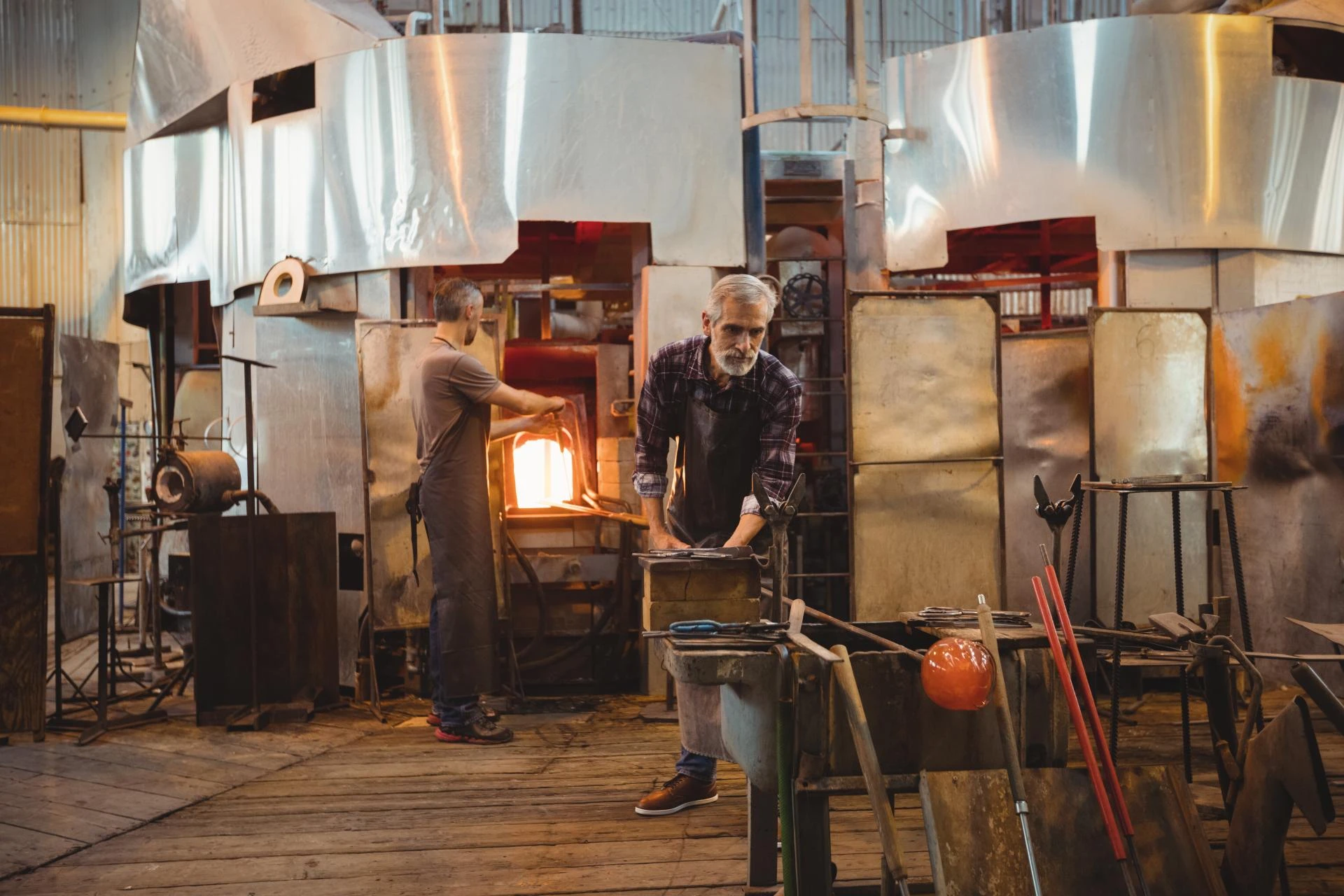

The role of a Ferroalloy manufacturer in India extends far beyond merely supplying materials. These manufacturers are the backbone of the steel and metallurgical sectors, delivering essential alloys that enhance the strength, durability, and performance of steel and other metal products. Companies like Sarojini Group have emerged as leaders in this domain, providing high-quality ferroalloys that meet the rigorous standards demanded by both domestic and international industries. By combining advanced technology with deep metallurgical expertise, these manufacturers enable industries to maintain production efficiency, reduce costs, and innovate with superior steel grades for complex applications.
The Strategic Importance of Ferroalloys in Steel Production
Ferroalloys are alloys of iron with other elements such as manganese, silicon, chromium, and vanadium. Their inclusion in steel manufacturing is not optional—it is crucial. These alloys serve multiple purposes, including:
- Strength Enhancement – Adding ferroalloys to steel increases tensile strength, allowing construction and infrastructure projects to achieve greater stability and longevity.
- Corrosion Resistance – Certain ferroalloys like chromium enhance resistance against rust and chemical degradation, a critical factor for industries operating in harsh environmental conditions.
- Improved Ductility and Toughness – Ferroalloys improve the plasticity of steel, making it easier to mold, weld, and fabricate complex structures without compromising safety.
- Specialized Applications – High-performance steels used in automotive, aerospace, and energy sectors rely heavily on ferroalloys for properties such as heat resistance and wear resistance.
The contribution of a reliable ferroalloy manufacturer in India ensures that steelmakers can consistently produce alloys tailored for each unique industrial requirement, fostering technological growth and industrial competitiveness.
Key Ferroalloys and Their Industrial Applications
Ferroalloy production is diverse, and understanding the major types helps clarify why manufacturers are integral to industrial progress:
- Ferro Manganese (FeMn): Primarily used to improve hardness and strength in carbon steels, FeMn is indispensable in construction, railway, and heavy machinery industries.
- Silicon Ferroalloy (FeSi): It acts as a deoxidizer and improves elasticity and corrosion resistance, making it crucial for electrical steels and automotive components.
- Ferro Chrome (FeCr): Essential in stainless steel manufacturing, FeCr enhances durability, corrosion resistance, and aesthetic appeal.
- Ferro Vanadium (FeV): A critical component for high-strength low-alloy steels, FeV increases wear resistance, fatigue resistance, and tensile strength.
Each of these ferroalloys is produced under strict quality control measures, ensuring consistency, purity, and performance. A trusted manufacturer like Sarojini Group invests in cutting-edge furnace technology and precision testing facilities, guaranteeing that every batch meets global metallurgical standards.
Advancements in Manufacturing Technology
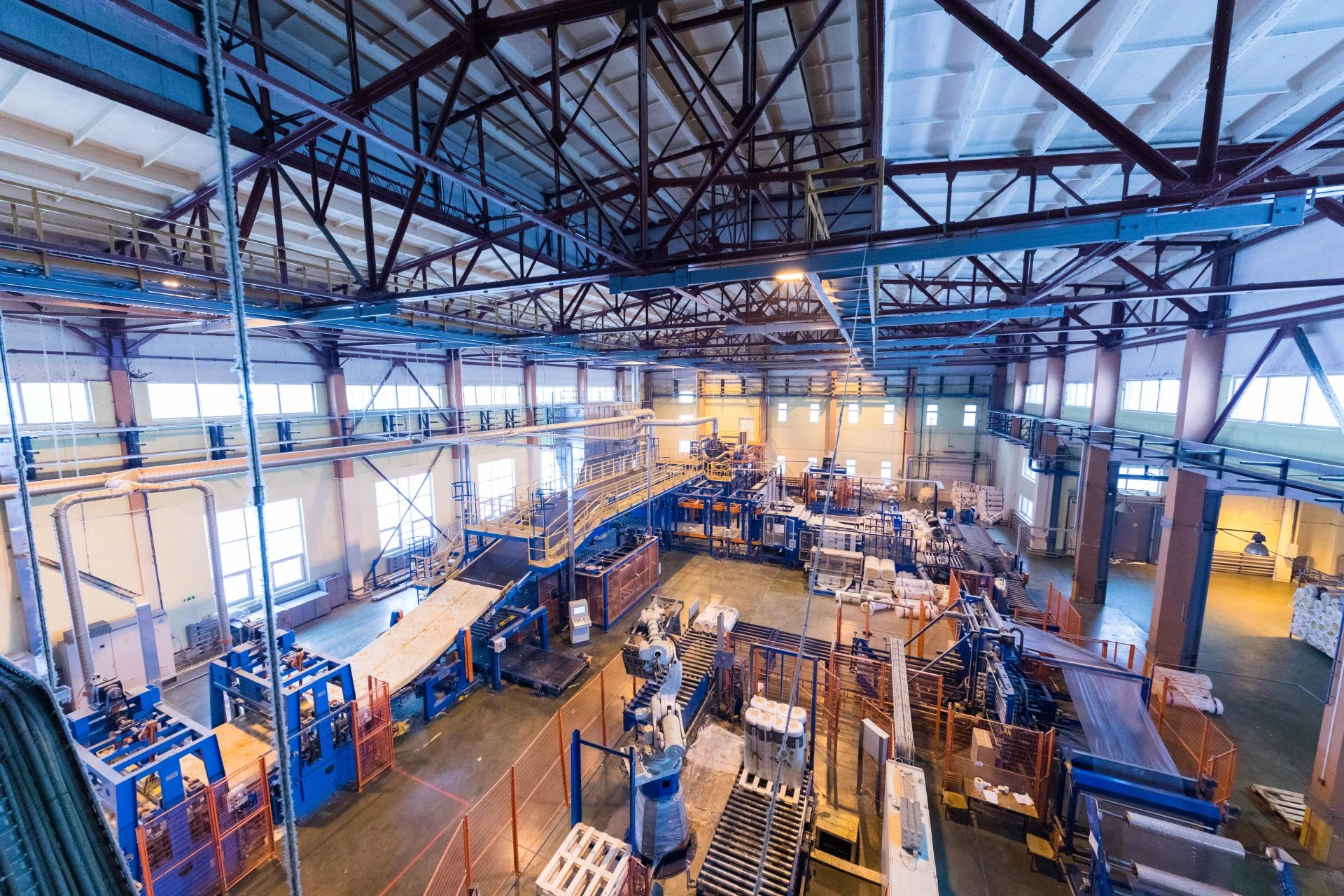
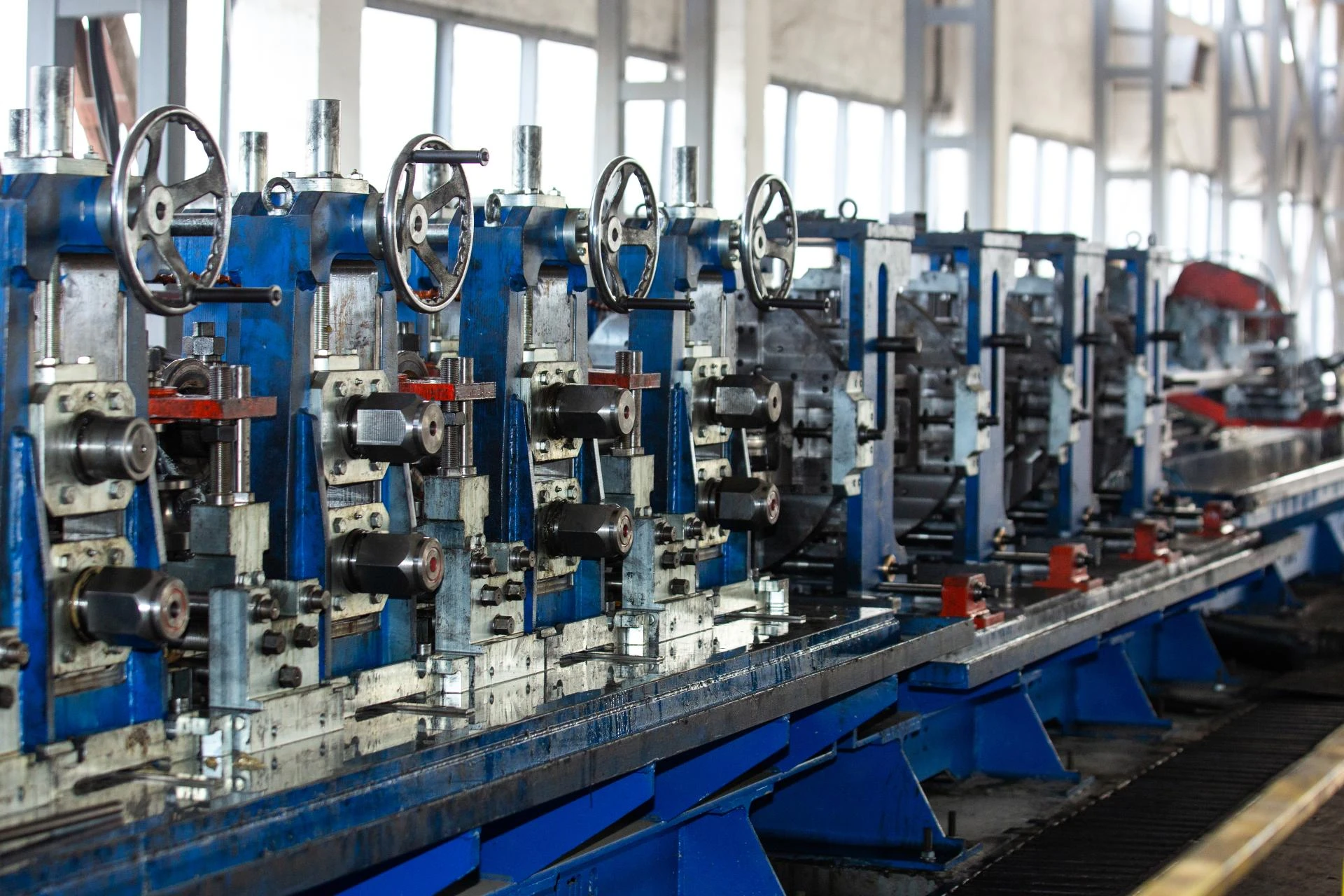
The evolution of ferroalloy production has been marked by technological innovation. Modern plants employ electric arc furnaces, submerged arc furnaces, and advanced refining techniques to ensure maximum efficiency and minimal waste. Automation and digital monitoring have further improved process control, reducing human error and enhancing the consistency of alloy composition.
For a Ferroalloy manufacturer in India, embracing these technologies is vital to maintaining competitiveness in global markets. Companies that integrate automation and process optimization can deliver higher output at lower costs, ensuring clients in steel, construction, and automotive sectors receive high-quality materials without production delays.
Quality Assurance and Compliance
The metallurgical industry demands strict adherence to quality standards. Ferroalloy manufacturers implement multiple layers of quality assurance to ensure compliance with national and international specifications:
- Chemical Composition Analysis – Advanced spectrometry techniques confirm the precise percentage of elements in each batch.
- Physical Testing – Hardness, tensile strength, and melting point tests verify performance under operational conditions.
- Traceability – Modern manufacturing plants maintain detailed records of raw material sources, furnace cycles, and testing results, ensuring transparency and accountability.
For companies like Sarojini Group, maintaining ISO certifications and adhering to ASTM and BIS standards strengthens client confidence, ensuring long-term partnerships with leading steel producers.
Contribution to Industrial Growth and Employment
Ferroalloy production has a multiplier effect on the industrial ecosystem. By supplying critical raw materials, manufacturers enable steel plants, foundries, and heavy engineering industries to expand their operations. This expansion, in turn, generates employment, supports ancillary industries such as mining and logistics, and promotes regional economic growth.
In cities like Visakhapatnam, ferroalloy manufacturers have created clusters of industrial activity, attracting investment and fostering skill development among engineers, metallurgists, and production managers. The synergy between manufacturers and downstream industries accelerates the growth of India's steel and metallurgical sector, positioning the country as a key player in the global supply chain.
Environmental Responsibility in Ferroalloy Production
Modern ferroalloy manufacturers recognize the environmental implications of their operations. Production processes, particularly in high-energy electric furnaces, consume significant electricity and emit carbon dioxide. Leading companies mitigate these impacts through:
- Energy-efficient furnace designs and waste heat recovery systems.
- Emission control technologies to reduce particulate and greenhouse gas output.
- Recycling and proper disposal of slag and other by-products.
Sarojini Group, for instance, has invested in sustainable practices that balance industrial productivity with environmental responsibility. By optimizing energy use and minimizing waste, manufacturers ensure that industrial growth aligns with environmental sustainability goals.
Global Demand and Export Potential
India's position as a major ferroalloy producer allows manufacturers to serve both domestic steel plants and international markets. The demand for high-quality ferroalloys has surged in regions investing in infrastructure, automotive, and renewable energy projects. Exporting these materials requires not only technical precision but also robust logistics, regulatory compliance, and timely delivery.
Manufacturers capable of meeting global standards play a strategic role in strengthening India's industrial footprint. By providing ferroalloys that meet the specifications of international clients, they enhance the reputation of Indian metallurgical products and open avenues for trade partnerships, foreign investment, and technological collaboration.
Innovation and Research in Alloy Development
The metallurgical industry thrives on innovation. Ferroalloy manufacturers continuously research new compositions and production methods to meet emerging industry needs. This includes:
- Developing alloys with enhanced heat resistance for aerospace and energy applications.
- Creating low-cost, high-performance alternatives for mass-market steel.
- Experimenting with rare elements to produce specialty steels with unique properties.
Companies like Sarojini Group collaborate with academic institutions, research labs, and steel manufacturers to refine alloy formulations, ensuring that the Indian ferroalloy sector stays at the forefront of technological advancement.
Challenges and Strategic Solutions
Ferroalloy production is capital-intensive and technically complex. Challenges include:
- Raw Material Availability – Dependence on high-quality ore sources requires careful supply chain management.
- Energy Costs – Electric arc and submerged arc furnaces demand large power inputs.
- Market Volatility – Prices of ferroalloys fluctuate based on global steel demand, raw material costs, and currency exchange rates.
Successful manufacturers adopt strategic solutions, such as long-term ore sourcing contracts, energy optimization, and diversified product portfolios. By mitigating risks and maintaining operational efficiency, they ensure stability for themselves and the industries they support.
The Future of Ferroalloy Manufacturing in India
The future points toward greater specialization and technological integration. Emerging trends include:
- Increased use of automation and AI for process optimization.
- Development of high-performance alloys for renewable energy, electric vehicles, and advanced infrastructure projects.
- Expansion of sustainable production practices to reduce carbon footprint and environmental impact.
As India continues to invest in steel capacity, infrastructure projects, and industrial modernization, the demand for high-quality ferroalloys will rise. Leading manufacturers, with their expertise and innovation-driven approach, will play a pivotal role in enabling industrial growth and maintaining the country’s competitive edge.
Why Partnering with Established Manufacturers Matters
Choosing the right ferroalloy supplier can define the quality and efficiency of steel production. Partnering with a trusted name like Sarojini Group offers several advantages:
- Consistent Quality – Every batch adheres to stringent chemical and physical standards.
- Technical Support – Expert metallurgists provide guidance on alloy selection and optimization.
- Timely Delivery – Advanced production planning and logistics ensure uninterrupted supply.
- Custom Solutions – Tailored alloys meet the exact requirements of specific steel grades or industrial applications.
Such partnerships not only support the operational needs of steel plants but also foster long-term collaboration, innovation, and growth.
Conclusion
A Ferroalloy manufacturer in India is more than a supplier—it is a catalyst for industrial development. By delivering high-quality alloys, embracing advanced production technologies, and committing to sustainable practices, manufacturers strengthen the steel and metallurgical sectors. Sarojini Group exemplifies this role, contributing to industrial efficiency, technological innovation, and economic growth. As steel production evolves to meet complex engineering demands, the importance of dependable, technologically advanced, and quality-focused ferroalloy manufacturers becomes ever more pronounced.
Through strategic partnerships, research-driven innovation, and adherence to global standards, Indian ferroalloy manufacturers continue to empower industries, enabling the construction of resilient infrastructure, development of advanced machinery, and creation of high-performance steel products. Their contribution is integral to shaping a robust industrial landscape, both domestically and internationally.

























Sign in to leave a comment.