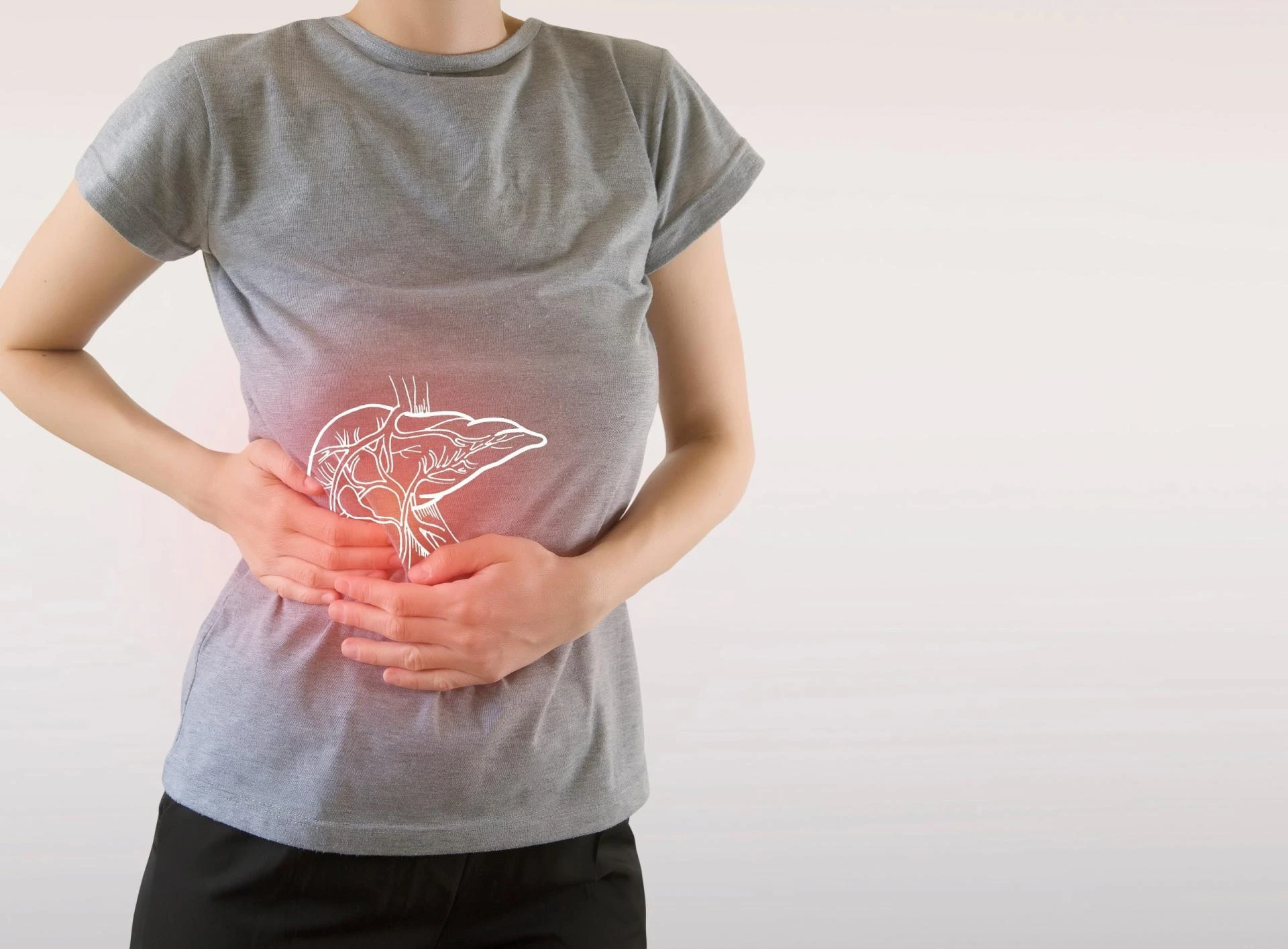

In this article, we’ll explore how Ayurveda approaches the treatment of hepatitis B. We’ll look at what makes this traditional system so unique, which herbs and practices are recommended, and how it fits into modern life.
Understanding Hepatitis B
Hepatitis B is a viral infection that targets the liver. It spreads through contact with infected blood, unprotected sex, or from mother to child at birth. Many people recover from an acute infection, but some develop chronic hepatitis B, which can stay in the body for years and cause complications such as liver cirrhosis or cancer. Modern medicine offers vaccines and antiviral drugs, but these are not always a complete solution, especially when the liver is already weakened.
Why Ayurveda is a Natural Choice
Ayurveda doesn’t just treat the symptoms; it focuses on finding and addressing the root cause. Unlike medicines that only suppress the virus, Ayurvedic treatment strengthens the liver, purifies the blood, and improves overall immunity. Ayurveda sees the body as a whole, where one imbalance can affect many functions. That’s why it treats hepatitis B not just as a viral problem, but as a deeper issue of weakened digestion, toxin build-up, and disturbed internal balance.
Ayurvedic View of Liver Health
In Ayurveda, the liver is known as Yakrit and is governed by the Pitta dosha. Pitta is responsible for digestion, metabolism, and transformation in the body. When Pitta becomes aggravated—due to stress, poor diet, or lifestyle—the liver is one of the first organs to suffer. This leads to poor digestion, fatigue, jaundice, and a range of other problems associated with hepatitis B. Restoring the natural balance of Pitta is central to healing the liver.
The Role of Pitta and Toxin Build-Up
A key idea in Ayurveda is the concept of Ama, or undigested toxins that accumulate in the body due to poor digestion. When Ama builds up, it blocks the body’s channels and interferes with organ function. For someone with hepatitis B, this toxic load can make it harder for the liver to do its job. Ayurveda focuses on cleaning out this Ama and calming Pitta to restore the liver's vitality.
Ayurvedic Detox through Panchakarma
Panchakarma is a deep detoxification therapy used in Ayurveda to remove toxins from the body and balance the doshas. For liver health, two of its methods are often used. Virechana, a controlled purgation therapy, helps clear excess Pitta and toxins from the liver and intestines. Basti, or medicated enemas, support elimination and rejuvenation. These therapies are done under medical supervision and are designed to prepare the body for deep healing.
Powerful Herbs That Support the Liver
Ayurveda has a treasure chest of herbs known to support liver health and fight viruses. Bhumi Amla is one of the most researched herbs for hepatitis B and is known for its antiviral and liver-protective qualities. Kutki is another herb that cools the liver and helps with detoxification. Kalmegh acts as a bitter tonic, reducing inflammation and supporting bile production. Guduchi helps boost immunity and is often recommended in chronic infections. These herbs are often combined into tailored formulas by Ayurvedic doctors.
Food as Medicine: Ayurvedic Diet Tips
In Ayurveda, food is considered a powerful form of medicine. For those with liver concerns, cooling and easy-to-digest foods are recommended. A typical liver-friendly Ayurvedic diet includes moong dal, cooked vegetables like bottle gourd and ridge gourd, pomegranate juice, barley water, and herbal teas. It's advised to stay away from spicy, oily, fermented, and processed foods. Warm water throughout the day helps with digestion and detox.
Daily Lifestyle Habits for Liver Support
The way you live each day greatly affects your liver’s ability to heal. Ayurveda encourages waking up early, eating at regular times, and avoiding habits that create heat in the body like overexposure to sun, alcohol, or overwork. Gentle physical activity, meditation, and self-massage with cooling oils like coconut or Brahmi oil are also beneficial.
Emotional Balance and Liver Health
Ayurveda recognizes the link between emotions and organ health. The liver is deeply connected to anger, frustration, and suppressed emotions. When you carry emotional stress, it adds heat to the liver and disturbs Pitta. Managing emotions through practices like deep breathing, meditation, or simply expressing feelings helps reduce this hidden burden on your liver.
The Healing Power of Yoga and Pranayama
Yoga and breathing exercises (Pranayama) are excellent companions to Ayurvedic treatment. Poses like the cobra pose (Bhujangasana), bow pose (Dhanurasana), and spinal twist (Ardha Matsyendrasana) help stimulate and tone the liver. Breathing practices like alternate nostril breathing and Sheetali (cooling breath) help calm the nervous system and balance internal energy, especially Pitta.
Evidence and Personal Recovery Stories
Across India and even globally, many people with hepatitis B have reported improved energy, appetite, and liver function after adopting Ayurvedic practices. Some have seen better lab results, while others share stories of feeling emotionally and physically stronger. Although Ayurveda doesn’t claim to "cure" hepatitis B, it provides support that can make a big difference in daily life.
Being Safe with Ayurvedic Medicines
Even natural treatments can cause harm if misused. It's important to get herbs and treatments from a qualified Ayurvedic practitioner. Self-treatment, especially when you're also on modern antiviral drugs, can lead to interactions or unexpected side effects. Proper diagnosis and monitoring are key to safe and effective healing.
Complementing Allopathy with Ayurveda
You don’t have to choose one path over another. Many people use both systems side by side, with the approval of their doctors. Antiviral drugs help control the virus, while Ayurveda helps rebuild immunity and liver strength. This integrative approach often leads to better results than relying on one system alone.
Timeline and Expectations from Ayurveda
Healing with Ayurveda takes patience. Some people may begin to feel better within a month, while others need three months or more. It depends on your individual constitution, the severity of your condition, and how closely you follow the advice. Ayurveda is a long-term commitment to wellness, not a quick fix.
Consulting the Right Ayurvedic Practitioner
It’s important to find an experienced Ayurvedic doctor who has treated liver conditions before. A personalized approach is crucial because each body is different. Your treatment may involve herbs, detox, diet plans, and lifestyle changes that are designed specifically for you.
Conclusion
Ayurveda offers a thoughtful and time-tested path for managing hepatitis B. Instead of only focusing on the virus, it focuses on you the whole person. It encourages you to care for your liver, your mind, and your lifestyle in a way that builds strength and balance from within. With proper guidance and commitment, hepatitis b treatment Ayurveda can become a trusted ally in your journey to better health.





























Sign in to leave a comment.