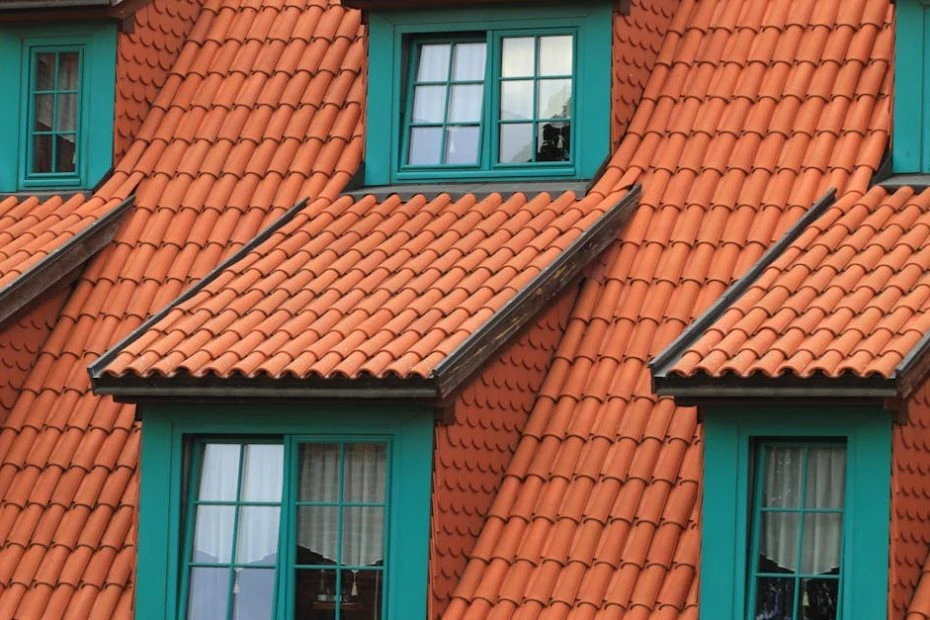

Your roof takes a beating every single day. Sun, rain, wind, hail — it handles all of it without complaint. But when something goes wrong up there, most homeowners have no idea where to start. How do you tell a good roofer from a bad one? What questions should you ask? And how do you avoid getting ripped off? This guide breaks down everything you need to know about finding roofers near me that actually deliver quality work.
Why Choosing the Right Roofer Matters More Than You Think
A roof is one of the most expensive parts of any home. Getting it wrong — whether that means a shoddy patch job or hiring someone who cuts corners — can cost thousands down the line. Water damage from a bad repair can rot wood framing, ruin insulation, and create mold problems that spread through walls and ceilings. Think of it like choosing a surgeon. You would not pick the cheapest one with no reviews. The same logic applies to whoever works on the thing protecting everything you own.
The tricky part is that roofing problems are not always obvious from the ground. A missing shingle here, a small leak there — these things snowball fast if they are not handled correctly. That is why finding a trustworthy roofing company near me should be treated as a serious decision, not a quick Google search followed by picking the first name that pops up.
What to Look for in a Roofing Company
Not all roofing companies operate the same way. Some are small crews that do excellent work. Others are large operations with polished marketing but inconsistent results. Here are the things that actually separate the good ones from the rest.
Licensing and Insurance
Any legitimate roofer should carry both liability insurance and workers’ compensation. If a worker gets injured on your property and the company has no insurance, you could be on the hook for medical bills. Always ask for proof of insurance before any work begins. Licensing requirements vary by state, but a company that holds proper licenses shows they have met at least the minimum standards set by local authorities.
A Track Record You Can Verify
Online reviews tell part of the story, but they are not the full story. Ask the company for references from recent jobs — not projects from five years ago, but work completed in the last few months. Drive by those properties if you can. A solid roof job should look clean, with straight lines, consistent shingle patterns, and proper flashing around chimneys and vents. When searching for roofing contractors near me, prioritize companies that are happy to show off their recent work rather than dodging the question.
Written Estimates With Clear Details
A verbal quote is worthless. Any reputable roofer will provide a written estimate that breaks down materials, labor, timeline, and warranty information. If someone hands you a number scribbled on the back of a business card, walk away. The estimate should specify the type of shingles or materials being used, the scope of work, cleanup procedures, and what happens if the crew finds additional damage once they start.
Understanding Roof Inspections
A proper inspection is the foundation of any good roofing job. Whether you are dealing with a small leak or considering a full replacement, the inspection tells you what you are actually working with.
What Happens During an Inspection
A thorough inspection covers both the exterior and interior of the roof. On the outside, the inspector checks shingles, flashing, gutters, vents, and any penetrations like skylights or chimneys. On the inside, they look at the attic for signs of water staining, daylight coming through the decking, and adequate ventilation. Good inspectors also check for sagging or structural issues that might not be visible from the surface. This process usually takes about an hour for an average-sized home, though larger or more complex roofs take longer.
When to Schedule an Inspection
Most people wait until something goes wrong before calling for an inspection, but that is a reactive approach. Getting your roof inspected once a year — or after any major storm — catches small problems before they become expensive ones. Think of it like getting your car’s oil checked. Waiting until the engine seizes costs a lot more than routine maintenance. If you need roof repair near me, an inspection is always the right first step because it gives both you and the roofer a clear view of what needs fixing.
Getting Quotes: How Many and What to Compare
The Three-Quote Rule
Getting at least three quotes is standard advice, and for good reason. It gives you a range to work with and helps you spot outliers. If two companies quote around the same amount but the third is dramatically cheaper, that low number is a red flag — not a bargain. Cheap quotes often mean cheap materials, skipped steps, or inexperienced labor. On the flip side, the most expensive quote is not automatically the best. Compare what each company includes in their price.
Comparing Apples to Apples
Confirm that each quote covers the same scope of work. One company might include tear-off of the old roof while another quotes over the top of existing shingles. One might include upgraded underlayment while another uses the bare minimum. Line up the details side by side. Materials, labor warranty, manufacturer warranty, cleanup, and timeline should all be in each quote. This is the only way to make a fair comparison between different roofing companies.
Red Flags That Should Send You Running
Some warning signs are obvious. Others are subtle but just as dangerous.
Storm Chasers
After a big storm, you might get knocks on your door from crews offering to fix your roof cheap and fast. These are often out-of-town operators who follow weather events, do quick work, and disappear before you notice the problems. They typically have no local reputation to protect and no intention of honoring warranties. Stick with established local companies that have a physical address and a history in the community.
No Written Contract
If a roofer wants to start work without a signed contract, that is a major problem. The contract protects both parties. It should outline the work being done, the payment schedule, materials being used, start and completion dates, and warranty terms. Without a contract, you have no recourse if something goes wrong.
Demanding Full Payment Upfront
A reasonable payment structure might involve a deposit to secure your spot on the schedule, with the balance due upon completion. Any company demanding full payment before lifting a single shingle is a company you should avoid. Legitimate businesses understand that trust goes both ways.
How Weather and Timing Affect Your Roofing Project
Roofing is weather-dependent work. Most companies prefer to schedule jobs during dry seasons when temperatures are moderate. Shingles need heat from the sun to seal properly, so very cold installations can lead to problems. At the same time, extreme heat makes roofing dangerous for crews and can affect material handling.
Spring and fall tend to be the busiest seasons for roofers, which means longer wait times and sometimes higher prices. If your project is not urgent, scheduling during the off-season — late winter or mid-summer depending on your climate — can sometimes get you faster service and better rates. Planning ahead gives you the luxury of choosing the right company on your timeline rather than scrambling after a leak forces your hand.
Warranties: What They Cover and What They Do Not
Roofing warranties come in two flavors. The manufacturer warranty covers defects in the roofing materials themselves. The workmanship warranty covers the installation. Both matter, but the workmanship warranty is often more relevant because most roofing failures come from installation errors, not defective shingles. Ask how long each warranty lasts, what voids it, and whether the company will still be around to honor it in ten or fifteen years. A fifty-year warranty from a company that folds in three years is just a piece of paper.
Making the Final Decision
After gathering quotes, checking references, verifying insurance, and reading reviews, trust your gut. The right roofing company communicates clearly, answers questions without getting defensive, shows up when they say they will, and puts everything in writing. Price matters, but it should not be the only factor. A slightly higher quote from a company with a proven track record and strong warranties is almost always the smarter choice. Your roof protects everything underneath it — the people, the furniture, the memories. Giving that job to someone you trust is worth every penny.

Sign in to leave a comment.