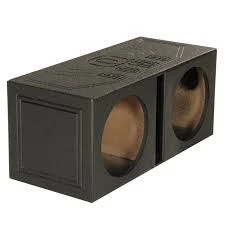

When designing a powerful car audio system, your subwoofers might be the stars of the show—but they won’t shine without the right enclosure. Whether you’re looking for punchy mid-bass, deep low-end rumble, or a combination of both, choosing the right sub box for 2 10s can make or break your sound.
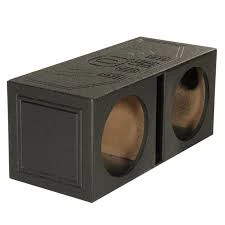
In this article, we break down everything you need to know about dual 10-inch subwoofer enclosures—how they work, why they're so popular, and what design choices matter most when you're chasing clean, controlled bass in any vehicle.
Why Two 10-Inch Subwoofers?
Before diving into box types, it’s worth understanding why 10-inch subs remain one of the most versatile options in car audio:
- Fast Response: Their smaller cone diameter makes them more responsive, perfect for quick bass hits.
- Balanced Size: Big enough to push low frequencies, but small enough for a compact enclosure.
- Versatility: Great for all genres—rock, pop, EDM, hip-hop—and suitable for sealed or ported boxes.
Pairing two of these together increases overall cone area, giving you more output without taking up as much space as dual 12s or 15s would.
What to Consider When Choosing a Sub Box for 2 10s
1. Airspace Requirements
Each subwoofer has a recommended volume range—usually between 0.8 to 1.2 cubic feet per sub for sealed boxes, and 1.2 to 1.5+ cubic feet for ported setups. Multiply those numbers by two and account for bracing and displacement to ensure your box matches your subs.
2. Box Type: Sealed or Ported?
Sealed Enclosure
- Tight and Accurate: Delivers crisp, clean bass.
- Smaller Footprint: Ideal for sedans and smaller trunks.
- Best For: Listeners who prefer precision and detailed bass.
Ported Enclosure
- Louder and Deeper: Ports allow for more airflow, enhancing low-end output.
- More Efficient: Uses amplifier power more effectively for SPL.
- Best For: Bass-heavy music genres and higher volume needs.
If you're going for daily driving and want tight bass with clarity, a sealed sub box for 2 10s is ideal. But if your goal is thunderous, booming bass, a properly tuned ported box is the way to go.
Design Factors That Impact Performance
1. Subwoofer Placement
- Front-Firing: Common in SUVs and hatchbacks.
- Down-Firing: Often used in trucks to maximize space.
- Rear-Firing: Best for sedans, often delivers louder bass via cabin reinforcement.
2. Port Design
In ported boxes, the size and placement of the port are critical. A well-designed slot or round port can drastically improve low-frequency output without causing turbulence or port noise.
3. Material and Build
- Use ¾-inch MDF for solid walls that resist vibration.
- Seal all internal joints with wood glue or silicone.
- Add internal bracing if the box exceeds 2.5 cubic feet to prevent flexing.
4. Mounting Depth
Always double-check that your subwoofers fit the enclosure—especially if you’re dealing with shallow-mount or oversized motor designs.
Prefab vs Custom Enclosures
Prefab Boxes
- Pros: Quick and cost-effective.
- Cons: May not match your subwoofer's exact airspace needs or vehicle dimensions.
Custom-Built Boxes
- Pros: Tailored to your subs, amp, music taste, and car layout.
- Cons: More expensive and time-consuming to design and build.
If you’re using high-performance subwoofers or want the absolute best bass possible, investing in a custom sub box for 2 10s can unlock your system’s full potential.
Matching Your Sub Box to Your Vehicle
A box that fits one vehicle perfectly might be totally wrong for another. Here are a few general tips:
- Trucks: Choose low-profile or under-seat designs.
- SUVs: Consider large, rear-firing ported boxes to take advantage of open cabin space.
- Sedans: Go sealed or rear-firing ported, ensuring the box still fits through the trunk opening.
- Hatchbacks: Use the cabin's air volume to your advantage with front or rear-firing boxes.
Tips for Tuning After Installation
Once your enclosure is in place, it's not just "plug and play." Here’s how to optimize performance:
- Set Gain Properly: Avoid distortion or damage by matching amp gain to the signal input.
- Adjust Filters: Use your LPF (low-pass filter) to eliminate highs and set the subsonic filter to protect the box.
- Phase & Polarity: Experiment with phase settings to correct cancellation issues.
- Secure the Box: Prevent movement and vibration with proper mounting or strapping.
Conclusion
A sub box for 2 10s is more than just a container—it’s the foundation of your bass performance. Whether you're chasing clean, accurate response or high-SPL thunder, getting the right enclosure makes all the difference.
From choosing between sealed and ported to considering space, materials, and vehicle type, every design choice shapes the sound you’ll hear and feel. Build or buy smart, and your dual 10 setup can compete with systems twice the size—and sound even better doing it.
























Sign in to leave a comment.