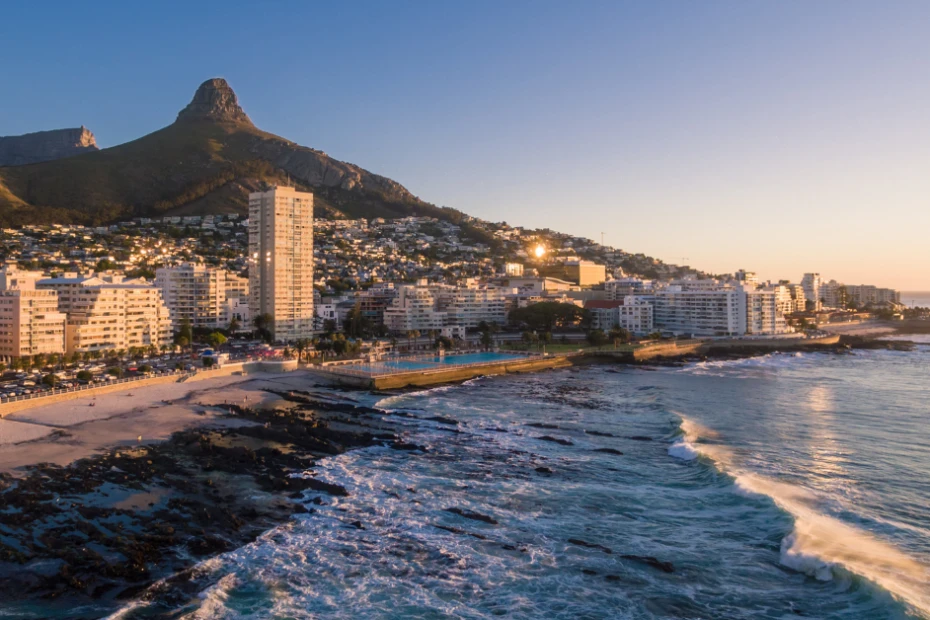

Cape Town draws people from across South Africa and around the world. The mountain, the ocean, the wine farms, and the creative energy make it unlike anywhere else in the country. Some come for a holiday and never leave. Others plan their move years in advance, saving and researching until they can finally make it happen. The city has a magnetic pull that is hard to explain until you have experienced it yourself.
The search for apartments in Cape Town can feel overwhelming at first. The city stretches from the Atlantic Seaboard to the Southern Suburbs, from the City Bowl to the Northern Suburbs. Each area has its own character, price range, and lifestyle. Narrowing down where to focus takes time, but getting this decision right sets the foundation for happy living in the Mother City.
Understanding Cape Town’s Geography
Table Mountain sits at the heart of everything. It divides the city into distinct areas and creates microclimates that affect daily life. The Atlantic Seaboard faces west and catches beautiful sunsets but can be windy. The Southern Suburbs are sheltered by the mountain and tend to be greener. The City Bowl is central but busy. Understanding how the geography shapes each neighbourhood helps buyers choose wisely.
Cape Town apartments in the City Bowl put residents close to the action. The CBD, Company’s Gardens, Long Street, and the V&A Waterfront are all within easy reach. Walking and cycling become practical options for daily errands. The downside is higher density, more noise, and limited parking. For young professionals who value being at the centre of things, City Bowl living has strong appeal.
The Atlantic Seaboard includes areas like Sea Point, Green Point, Clifton, and Camps Bay. These neighbourhoods command premium prices for ocean views and proximity to the beach. Apartments here range from modest older buildings to luxury penthouses worth tens of millions. The lifestyle is outdoor focused, with the promenade, beaches, and Signal Hill all close by.
The Southern Suburbs stretch from Observatory through to Constantia. Areas like Claremont, Newlands, and Rondebosch attract families with their leafy streets and good schools. Apartments are less common here than in the City Bowl, but newer developments have added options for those who want suburban convenience without house maintenance. The Southern Suburbs feel calmer and more established than the trendy Atlantic side.
Price Expectations
Cape Town property prices are among the highest in South Africa. The combination of limited space, high demand, and desirable lifestyle pushes values well above the national average. Buyers moving from other provinces often get a shock when they see what their budget will buy. A R1.5 million apartment in Cape Town might be smaller and further from the centre than what the same money would get in Johannesburg or Pretoria.
When searching for property for sale Cape Town, setting realistic expectations from the start saves frustration. Entry level one-bedroom apartments in decent areas start around R1 million to R1.5 million. Two-bedroom units in popular suburbs typically run from R2 million to R4 million. Premium locations with views or beachfront access can easily exceed R5 million for even modest-sized units.
The Northern Suburbs and areas further from the mountain offer better value for money. Suburbs like Durbanville, Bellville, and Brackenfell have modern developments at prices well below the Atlantic Seaboard or City Bowl. The trade-off is longer commutes and less of the iconic Cape Town scenery. For buyers who prioritise space and affordability over location, these areas deserve consideration.
The Water Situation
Cape Town’s 2018 water crisis left a lasting mark on the city. Day Zero, when taps were predicted to run dry, was narrowly avoided, but the experience changed how residents think about water. Many buildings installed rainwater tanks, greywater systems, and boreholes. Buyers should ask what water-saving measures a building has in place.
Water restrictions remain part of Cape Town life. Even in good rainfall years, usage is monitored and limited. Gardens cannot be watered freely. Cars cannot be washed with municipal water. Pools face restrictions. Living comfortably in Cape Town means accepting that water is a precious resource and adapting habits accordingly.
Apartment living actually suits the water-conscious lifestyle well. Shared gardens mean shared responsibility for water use. No individual lawn needs watering. Modern developments often have efficient fixtures and water recycling systems built in. For buyers concerned about water security, an apartment in a well-managed complex can be a sensible choice.
Getting Around
Traffic in Cape Town can be brutal. The N1 and N2 highways clog during peak hours. Routes over the mountain have limited capacity. Living close to work makes a significant difference to quality of life. Spending two hours commuting each day adds up to wasted time and frustration. Choosing a location that minimises travel time is worth the extra cost for many buyers.
Cape Town property in walkable areas commands a premium, but the lifestyle benefits are real. Being able to walk to shops, restaurants, and entertainment changes how residents experience the city. The MyCiti bus network connects many popular areas and provides a reliable alternative to driving. Apartments near MyCiti routes gain practical value from this access.
Parking remains a challenge in the denser parts of the city. Street parking is limited and often paid. Many older apartment buildings have no parking or only one bay per unit. For households with two cars, checking parking availability before buying prevents daily headaches. Newer developments typically include parking, but the allocation varies by unit size and price.
The Cape Town Lifestyle
People move to Cape Town for the lifestyle as much as for jobs or family. The outdoor opportunities are unmatched. Hiking trails cover the mountain. Beaches stretch along both coasts. Wine farms are an hour’s drive away. Cycling, surfing, kiteboarding, and rock climbing all have strong local communities. For active people, Cape Town provides endless options.
The food and drink scene has grown remarkably over the past decade. Restaurants range from casual beachfront spots to award-winning fine dining. Craft breweries, coffee roasters, and artisan food producers have multiplied. Weekend markets offer everything from fresh produce to street food to handmade goods. Eating and drinking well is part of what makes Cape Town special.
The creative energy of the city attracts artists, designers, filmmakers, and entrepreneurs. Galleries, studios, and co-working spaces fill converted warehouses and historic buildings. Fashion, design, and tech industries have strong presences. For people in creative fields, Cape Town offers a supportive environment with like-minded communities.
The flip side of Cape Town’s appeal is the competition for limited resources. Jobs in certain sectors are scarce. Housing demand keeps prices high. Inequality is visible in ways that can be confronting. Living here means engaging with these realities rather than ignoring them. The city is beautiful but not without its challenges.
Buying in Cape Town is a commitment to a particular way of life. The mountain, the ocean, and the culture come with higher costs and unique challenges. For those who fall in love with the city, the trade-offs feel worthwhile. Doing proper research, understanding the different areas, and being realistic about budgets leads to purchases that bring long-term satisfaction. Cape Town rewards those who come prepared.
































Sign in to leave a comment.