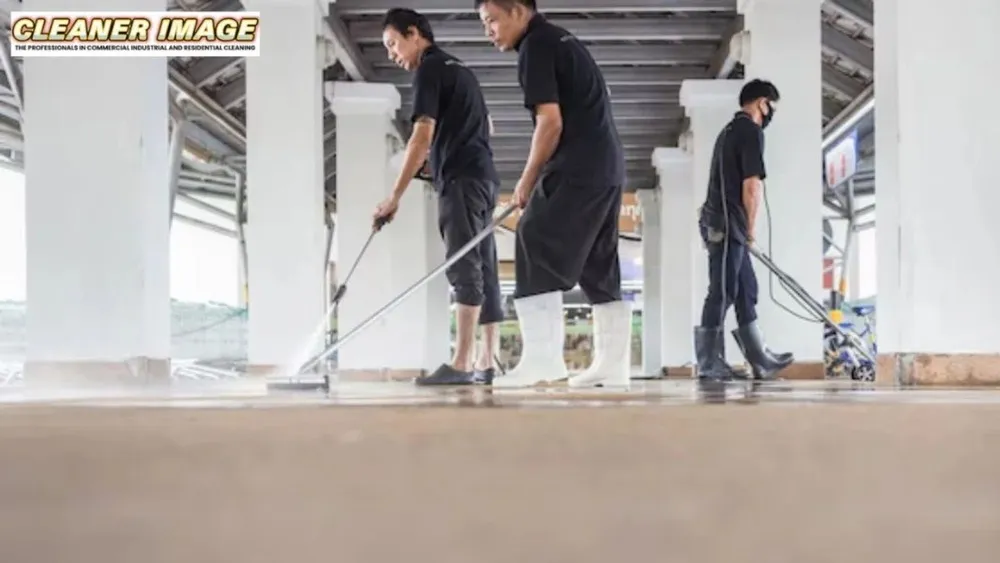

The final stage of building in Los Angeles is often framed as a visual transition from construction to completion. In practice, the more consequential shift is environmental. Post construction cleaning services in Los Angeles operate at the intersection of air quality, material integrity, and occupancy readiness. The work is less about removal and more about stabilization.
This matters now because construction density across LA County has increased while building envelopes have become more sealed. Dust no longer dissipates as easily as it once did. Instead, it circulates, settles, and reactivates. Understanding how post construction cleanup in Los Angeles interacts with this closed-loop environment is essential to interpreting what “clean” actually means in a modern structure.
The Misread Signal in Post Construction Cleaning
Prevailing commentary treats construction cleaning as a final sweep. The assumption is linear. Build, clean, occupy.
This framing ignores a critical shift. Dust is not a one-time byproduct. It behaves more like a system input that continues to influence indoor conditions after visible debris is removed.
Concrete example. A newly completed interior may appear clean under standard inspection. Within days, surfaces show a thin film of residue. The instinct is to attribute this to missed cleaning.
Interpretation. In many cases, the issue is not missed cleaning but recirculated particulate matter embedded in vents, soft surfaces, and micro-crevices.
Industry insight. The market still evaluates outcomes visually, while the underlying dynamics are environmental and ongoing. This gap defines the difference between surface readiness and actual completion.
Dust as a Persistent System, Not a Residual Problem
Construction dust in Los Angeles has shifted in composition. Engineered materials, composite woods, and fine particulate adhesives generate smaller, more mobile particles.
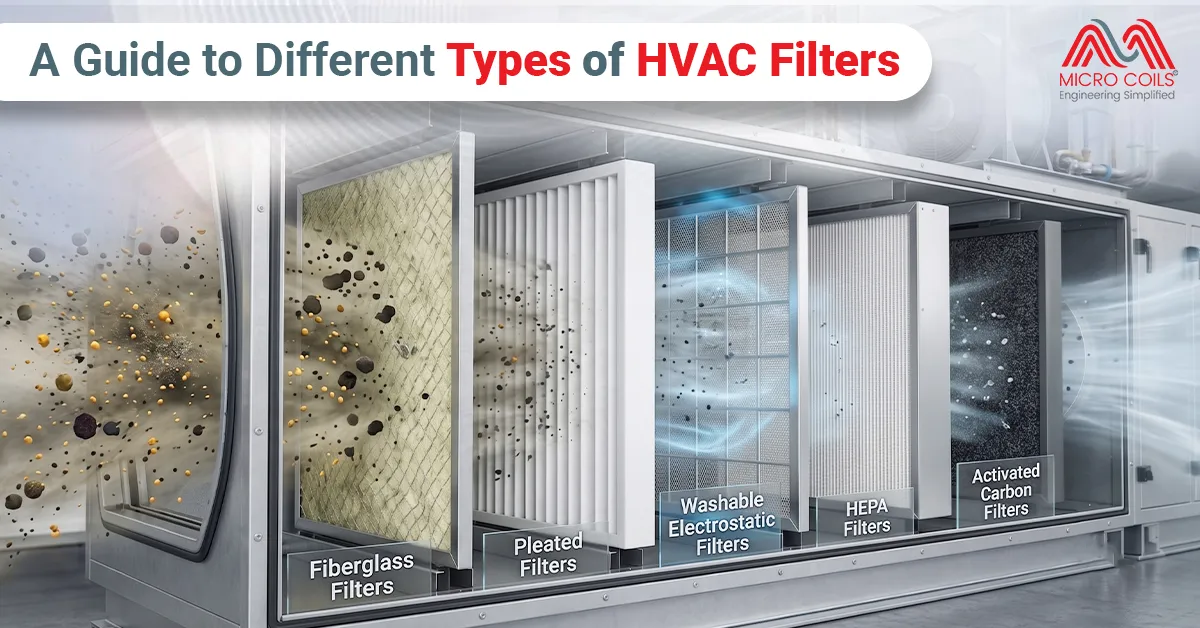
Data-informed trend. Studies of indoor particulate matter show that fine dust can remain airborne for extended periods, especially in sealed environments with active HVAC systems.
Operational consequence. Cleaning that focuses only on horizontal surfaces leaves vertical and airborne pathways unaddressed. Dust re-enters circulation, settling again after each disturbance.
Concrete example. Air vents, recessed lighting, and upper wall edges often release dust hours or days after initial cleaning.
Interpretation. The cleaning process must account for airflow dynamics, not just surface conditions.
Industry insight. This reframes post construction cleaning from a removal task to an environmental reset process.
Material Sensitivity and the Risk of Premature Degradation
Newly installed materials are particularly vulnerable during the post construction phase. Surfaces have not yet stabilized under regular use.
Behavioural shift. Property owners increasingly prioritize immediate occupancy, compressing timelines between construction completion and use.
Under-discussed risk. Fine dust particles act as abrasives. When combined with improper cleaning methods, they accelerate wear on flooring, fixtures, and finishes.
Concrete example. Micro-scratches on glass or dulling of polished floors often originate during post construction cleanup rather than long-term use.
Interpretation. Aggressive cleaning can amplify damage rather than resolve it.
Industry insight. The expectation of instant readiness is in tension with the need for controlled, material-aware cleaning processes.
Air Circulation as the Hidden Driver of Cleaning Outcomes
Airflow is rarely considered in discussions of construction cleanup, yet it plays a decisive role.
Regulatory implication. Building standards increasingly emphasize energy efficiency, leading to tighter building envelopes and more controlled ventilation systems.
Operational consequence. Reduced natural air exchange means contaminants linger longer indoors.
Concrete example. In multi-unit developments across Los Angeles, identical cleaning protocols can produce different outcomes depending on ventilation timing and system activation.
Interpretation. Cleaning outcomes are influenced as much by when systems are activated as by how surfaces are cleaned.
Industry insight. The sequencing of cleaning relative to HVAC operation is becoming a critical variable in achieving stable results.
The Temporal Gap Between Cleaning and True Completion
There is a growing disconnect between when a space is declared clean and when it actually stabilizes.
Market capability evolution. Developers and contractors are increasingly aware that a single cleaning pass is insufficient for complex builds.
Data-informed observation. Multi-phase cleaning cycles are becoming more common in larger projects, even when not formally specified.
Concrete example. Initial cleaning prepares the site, while subsequent passes address residual dust release and surface settling.
Interpretation. Completion is not a moment but a short process window.
Industry insight. This temporal gap is rarely acknowledged in standard project planning, yet it directly affects occupant experience.
Controlled Futurism: Toward Environmental Calibration
Early signals suggest a shift from cleaning as a discrete service to cleaning as environmental calibration.
Directional change. Technologies that measure particulate levels in real time are becoming more accessible. This introduces the possibility of verifying cleanliness beyond visual inspection.
Behavioural implication. Stakeholders may begin to expect measurable air quality benchmarks before occupancy.
Concrete example. Sensor-based monitoring can identify when particulate levels have stabilized, not just when surfaces appear clean.
Interpretation. Cleaning may evolve into a data-informed process that aligns with broader indoor environmental standards.
Industry insight. The next phase of post construction cleanup in Los Angeles will likely integrate measurement, timing, and method into a more coordinated system.
Reframing Completion in Los Angeles Construction
Post construction cleaning is often positioned as the final step. In practice, it is the transition that determines whether a space functions as intended.
The thesis is straightforward. Dust behaves as a system, not a residue. Materials respond to process, not just effort. Airflow shapes outcomes as much as technique.
Recognizing these dynamics shifts the definition of completion. It is no longer the moment a space looks clean, but the point at which it stabilizes.
























Sign in to leave a comment.