
Introduction :
Fire alarm systems are indispensable for safeguarding lives and property. Whether it's a residential or commercial space, having a properly installed fire alarm system is crucial to ensure early detection and prompt response in the event of a fire. In this comprehensive guide, we will walk you through the essential steps and considerations involved in fire alarm installation. From planning and system design to equipment selection and testing, this guide will provide you with the knowledge and understanding necessary to make informed decisions when it comes to fire alarm installation.
Assessing Your Needs :
Before diving into the installation process, it's important to assess your specific needs and requirements. Consider the size and layout of your property, the number of occupants, and any potential fire hazards present. This information will help you determine the type and scale of the fire alarm system you need. Residential properties typically require a simpler system, while commercial buildings may need more advanced features such as multiple zones, voice evacuation, and remote monitoring.
Planning and Design :
Once you've assessed your needs, the next step is to plan and design the fire alarm system. This involves creating a detailed layout of your property, and identifying the optimal locations for smoke detectors, heat detectors, alarm panels, and other components. Consider the escape routes and ensure that the alarm system covers all critical areas. Additionally, consult local building codes and regulations to ensure compliance. It's advisable to engage a professional fire alarm technician or consultant to assist you in this planning phase, as they have expertise in system design and code requirements.
Equipment Selection :
Choosing the right equipment is crucial for the effectiveness of your fire alarm system. There are various types of detectors, control panels, notification devices, and ancillary equipment available in the market. Select equipment that is reliable, certified and suited to your specific needs. Smoke detectors are the most common type and are available in ionization and photoelectric variants. Heat detectors are suitable for areas with high dust or steam. Control panels serve as the brain of the system, receiving information from detectors and initiating the appropriate response.
Notification devices include horns, strobes, and speakers that alert occupants in case of a fire. Consider factors such as compatibility, maintenance requirements, and expandability when making your equipment choices.
Installation Process :
The installation process should be carried out by trained professionals to ensure the proper functioning of the fire alarm system. Here is a general outline of the installation steps:
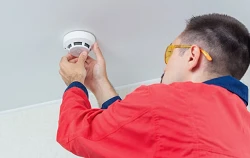
a. Mounting and Wiring: Install smoke detectors, heat detectors, and other devices in the predetermined locations according to the design plan. Ensure that they are securely mounted and properly wired to the control panel.
b. Connecting Power: Connect the fire alarm system to a reliable power source. Consider using backup batteries to ensure functionality during power outages.
c. Network Configuration: If you have a larger property or multiple buildings, configure the fire alarm system to establish communication between different zones or buildings. This allows for centralized monitoring and control.
d. Testing and Commissioning: Once the installation is complete, thoroughly test the system to ensure all components are functioning correctly. Conduct smoke and heat tests, check communication between devices, and verify alarm activation. Document the testing process for future reference.
Ongoing Maintenance and Testing :
A fire alarm system requires regular maintenance and testing to ensure its continued effectiveness. Schedule routine inspections to check for any faults, replace batteries as needed, and clean detectors to prevent dust or debris buildup. Conduct periodic testing of the alarm system, including audible and visual notifications, to ensure proper operation. It's essential to keep detailed records of all maintenance activities and testing results.
Conclusion :
Fire alarm installation is a critical aspect of fire safety. By following this comprehensive guide, you can navigate the process with confidence and ensure that your property is equipped with a reliable and effective fire alarm system. Remember to assess your needs, plan and design the system, carefully select equipment, and entrust the installation to experienced professionals. Regular maintenance and testing are crucial to keep the system in optimal working condition. With a properly installed fire alarm system, you can have peace of mind knowing that you've taken a proactive step in protecting lives and property from the devastating effects of fires.



























Sign in to leave a comment.