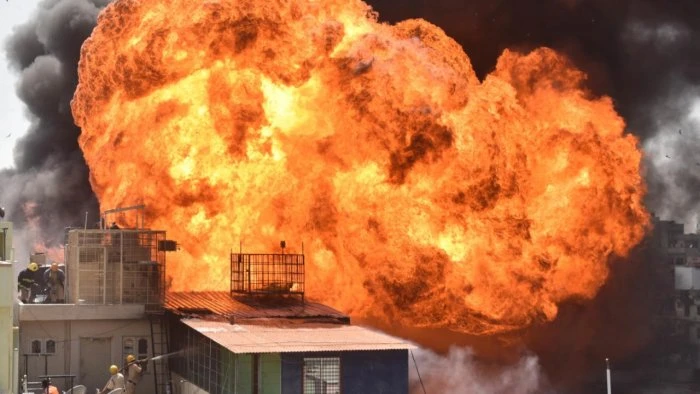

Fire safety is of paramount importance in any community living setup, especially in housing societies where a large number of people reside. Accidents can happen unexpectedly, and being well-prepared with appropriate fire safety measures can save lives and prevent property damage. In this article, we will explore the essential fire safety rules that every housing society should implement to ensure the safety and well-being of its residents.
Housing societies are thriving communities with multiple residential units located in close proximity to one another. While they offer various amenities and a sense of belonging, they also pose unique challenges when it comes to fire safety. Fires can spread rapidly in such densely populated areas, making it crucial for housing societies to adopt comprehensive fire safety protocols.
Also read: Fire safety rules for housing society
The Importance of Fire Safety in Housing Societies
Fire incidents can lead to catastrophic consequences, putting human lives at risk and causing severe property damage. In a housing society, a fire can quickly engulf multiple units, leaving residents with limited time to escape. Hence, prioritizing fire safety is not an option but a necessity.
Installing Smoke Detectors and Fire Alarms
Smoke detectors and fire alarms are the first line of defense against fire outbreaks. Every housing society should have these devices installed throughout the premises. Smoke detectors can sense the presence of smoke and trigger the fire alarms, alerting residents to the danger and allowing them to take swift action.
Conducting Regular Fire Drills
Practice makes perfect, and the same applies to fire safety. Housing societies must conduct regular fire drills to prepare residents for emergency situations. These drills help residents understand evacuation procedures, identify escape routes, and familiarize themselves with the location of fire exits.
Educating Residents About Fire Safety
Raising awareness about fire safety is crucial for preventing mishaps. Housing societies should organize workshops and training sessions to educate residents about fire safety measures.
Understanding Fire Exits and Escape Routes
Residents should be aware of the nearest fire exits and escape routes from their respective units. Clear signage should be displayed to guide them during emergencies.
Knowing How to Use Fire Extinguishers
Fire extinguishers are effective in tackling small fires before they escalate. Residents should be trained in using fire extinguishers properly and should know which type of extinguisher to use for different types of fires.
Maintaining Electrical Safety
Electrical faults are a common cause of fires in housing societies. To mitigate this risk, strict electrical safety measures should be enforced.
Proper Wiring and Regular Inspection
Wiring within the housing society should be up to code and periodically inspected for any potential hazards.
Avoiding Overloading of Electrical Circuits
Overloading electrical circuits can lead to overheating and cause electrical fires. Residents should be advised not to overload sockets with multiple devices.
Safe Usage and Storage of Flammable Substances
Proper handling and storage of flammable substances are crucial in preventing fire accidents.
Handling Gas Cylinders and Stove Safety
Gas cylinders should be placed in well-ventilated areas, away from direct sunlight and heat sources. Stove safety measures, such as turning off the gas supply when not in use, should also be emphasized.
Storing Flammable Liquids and Materials
Residents should be cautious while storing flammable liquids and materials. These items should be kept in designated areas away from potential ignition sources.
Fire Safety Measures in Common Areas
Housing societies have common areas that require specific fire safety measures.
Ensuring Clear Access to Fire Exits
Common areas should have clear paths to fire exits to facilitate smooth evacuations.
Keeping Fire Hydrants Accessible
Fire hydrants should be easily accessible and not obstructed by vehicles or any other objects.
Regular Maintenance of Firefighting Equipment
Firefighting equipment, such as extinguishers and hoses, should be regularly checked for proper functioning.
Collaborating with Local Fire Authorities
Establishing a partnership with local fire authorities can significantly enhance fire safety measures in housing societies.
Seeking Expert Advice for Improved Safety
Consulting with fire authorities can help identify potential risks and implement effective preventive measures.
Conducting Joint Fire Safety Drills
Joint fire safety drills involving local firefighters and housing society residents can improve coordination and response during emergencies.
Conclusion
Fire safety is a collective responsibility that every resident in a housing society must take seriously. By adhering to the outlined fire safety rules, housing societies can create a safer living environment for their residents, reducing the risk of fire accidents and ensuring a prompt and organized response in the event of an emergency.
FAQs
How often should fire drills be conducted in a housing society?
Fire drills should be conducted at least twice a year in housing societies to ensure that residents are well-prepared for emergencies.
Are fire extinguishers mandatory in housing societies?
Yes, housing societies must have fire extinguishers installed at strategic locations to tackle small fires effectively.
What should I do if I discover a fire in my unit?
In the event of a fire, immediately activate the fire alarm, evacuate the premises following the designated escape route, and call the fire department.
Can smoking be allowed in common areas of housing societies?
No, smoking should be strictly prohibited in common areas as it poses a fire hazard.
How can I ensure the electrical safety of my unit?
Regularly inspect electrical connections, avoid overloading circuits, and report any electrical issues to the housing society management for prompt action.











Sign in to leave a comment.