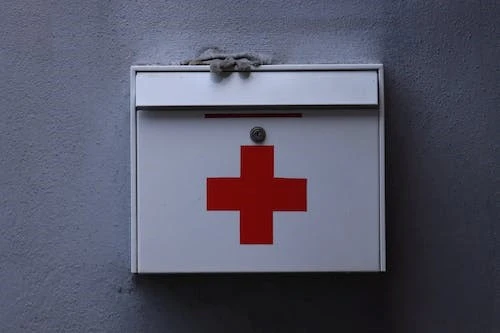

According to a census by St John Ambulance, 7 out of 10 kids believe they wouldn’t be able to help someone if they’re hurt and that they would want to learn first aid. It’s an important and necessary skill for children, and elementary schoolers are smart enough to learn such skills.
You won’t always be near your child when they get hurt, and accidents still happen despite trying our best to avoid mistakes and take preventive measures.
Teaching about hazards and unforeseen circumstances and what to do in such situations should start from a young age. There are various areas of safety you can and should teach your children about to raise awareness of danger and how to safely handle injuries if need be.
Here are some basic life skills you can teach your kid at home, vastly impacting their safety and health.
How and When to Call an Ambulance
When your child is old enough to remember their numbers, teach them how and when to call an ambulance. This should be the first thing you teach your kids about first aid. Tell them if they aren’t safe, injured, or see someone who is, they should immediately call an ambulance.
Also, familiarize them with other emergency helplines in your state and country. List the numbers on paper and put them somewhere around the house where kids and other family members can see and access them.
How to Stop Bleeding
Cuts and scrapes are the most common injuries in children, be it at home, school, or outdoors. Knowing how to treat a wound and stop bleeding is an essential skill to teach a child. Tell them that if they ever cut themselves or see someone else bleeding, they can step up to help. What they need to do is:
Put pressure on the wounded area until the bleeding stops.
Use a wadded-up cloth to apply pressure, and if nothing is available, bare hands work too. If the blood soaks through, put another cloth on top.
If the cut is too deep and bleeding heavily, call 911.
How to Treat a Burn
Curiosity often leads to accidents and injuries. Prepare your kid to react and treat a burn if they ever singe themselves by touching the oven, stovetop, or curling iron. Must-learn tips for cooling burned areas include:
Run the burned area under clean, cool water.
Clean the wound and apply aloe vera or other burn ointment.
Cover it with a cool towel and seek an adult’s assistance.
How to Perform a CPR
Teaching your child how to perform CPR can save lives. The European Resuscitation Council states that 12-year-old children can be taught chest compressions. Children younger than 12 don’t have the physical strength and stamina to perform chest compressions.
For 12 year or older children who can perform proper CPR, teach them how to execute abdominal thrusts, chest thrusts, and back blows. Here are some tips to remember while performing CPR:
Check pulse and breathing before you start. If no signs of breathing or pulse are detected, start CPR.
Perform chest compression 30 times.
Perform two mouth-to-mouth resuscitation.
Repeat until help arrives.
How to Treat a Nosebleed
Nosebleeds are common in all ages and especially in younger children. Most nosebleeds can be managed with minor interventions. Teaching kids how to treat a nosebleed can come in handy. Here’s what they need to do:
Sit in an upright, forward position.
Pinch the nose area around the nostrils (avoiding the bridge) tightly to stop the blood flow.
Call 911 if the bleeding persists longer than 15 minutes.
Learning first aid skills benefits your kids if they find themselves in an unforeseen situation. Make sure you stay calm and comfortable while teaching first aid skills; this will help your child understand and implement the teachings effectively.
Christian Fournier, in his book SAFETY DOG and the Adventures of Emma & Ethan, has shed light on the importance of children’s safety and recognizing the safety hazards. It can be a great source to educate your child about risks and start the conversation about safety and first aid. Grab your copy today on Amazon.











Sign in to leave a comment.