

There’s a moment that happens to many travelers during their first visit to New York City.
It usually occurs somewhere between stepping out of a crowded subway station, staring up at skyscrapers that seem to disappear into the clouds, and realizing that the city is far bigger than it looked on Google Maps.
For months, you've imagined the trip. You saved photos of Times Square at night, added observation decks to your bucket list, and marked dozens of restaurants, museums, and neighborhoods you wanted to explore.
Then you arrive.
And suddenly, New York feels both exciting and overwhelming.
That experience is surprisingly common. In fact, one of the biggest challenges of first-time travel to New York isn't deciding what to do—it's deciding what not to do.
The Pressure to See Everything
New York has a reputation for being a city where something is always happening.
The problem is that first-time visitors often try to experience all of it.
A morning in Central Park, lunch in Chinatown, sunset from an observation deck, a Broadway show at night, and maybe a quick visit to Brooklyn in between. It sounds reasonable when planning from home. It feels very different when you're walking ten miles a day through crowded streets.
Many travelers discover that their favorite memories aren't the famous landmarks they rushed to see.
Instead, it's the unexpected moments.
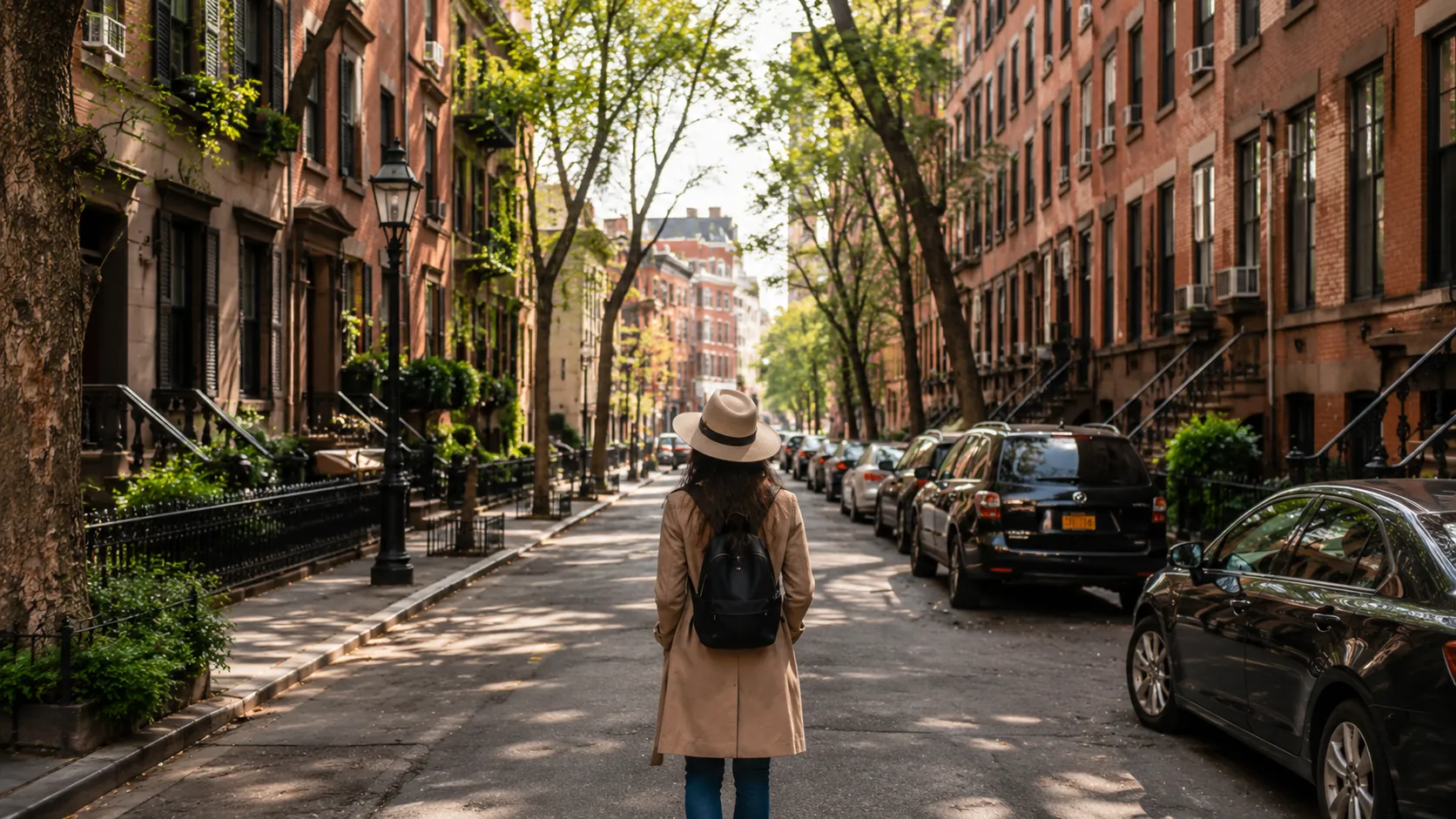
A quiet street in SoHo.
A waterfront view in Brooklyn.
A neighborhood bakery discovered by accident.
The city becomes far more enjoyable when you stop treating it like a checklist.
Why New York Feels More Expensive Than Expected
Most visitors expect New York to be expensive.
What surprises them is how quickly small expenses add up.
A coffee here. A subway ride there. A museum ticket. A quick lunch between attractions.
Before long, the daily budget looks very different from what was planned.
The good news is that some of the city's most rewarding experiences cost almost nothing.
Walking across the Brooklyn Bridge at sunrise.
Exploring Central Park.
Watching the skyline from the Staten Island Ferry.
Sitting in Bryant Park and simply observing the rhythm of the city.
These experiences often stay with travelers long after the trip is over.
The Subway Isn't as Scary as It Looks
Ask any first-time visitor what worries them before arriving, and the subway usually makes the list.
The colorful map appears complicated. The station names seem confusing. The idea of taking the wrong train feels inevitable.
Yet after a day or two, most people realize the subway isn't the obstacle they imagined.
Modern navigation apps make getting around surprisingly straightforward, and learning a few key routes can completely change how you experience the city.
Instead of spending money on rideshares and sitting in traffic, you begin moving through New York the way locals do.
That's often the moment visitors stop feeling like tourists.
Crowds Are Part of the Experience—But They Don't Have to Control It
Every iconic destination attracts visitors.
New York attracts millions.
That's why so many travelers are shocked when they encounter long lines at popular attractions, observation decks, museums, and ferry terminals.
The secret isn't finding places without crowds.
The secret is timing.
Early mornings reveal a different version of New York. Streets feel calmer. Attractions feel less rushed. Even the skyline seems different when viewed before the city fully wakes up.
Many experienced travelers plan their biggest attractions first thing in the morning and leave afternoons for wandering and exploration.
It's a small adjustment that often transforms the entire trip.
The Real New York Exists Between the Attractions
When people imagine New York, they often picture landmarks.
Times Square.
The Empire State Building.
The Statue of Liberty.
One World Observatory.
And while those places deserve their popularity, they aren't the whole story.
The real magic of New York often appears between destinations.
It's found in neighborhood streets, local cafés, waterfront promenades, unexpected skyline views, and conversations with fellow travelers who are experiencing the city for the first time too.
That's why the most successful trips rarely follow a perfect itinerary.
They leave room for discovery.
They leave room for getting a little lost.
And they leave room for the unexpected moments that eventually become the stories travelers remember most.






















Sign in to leave a comment.