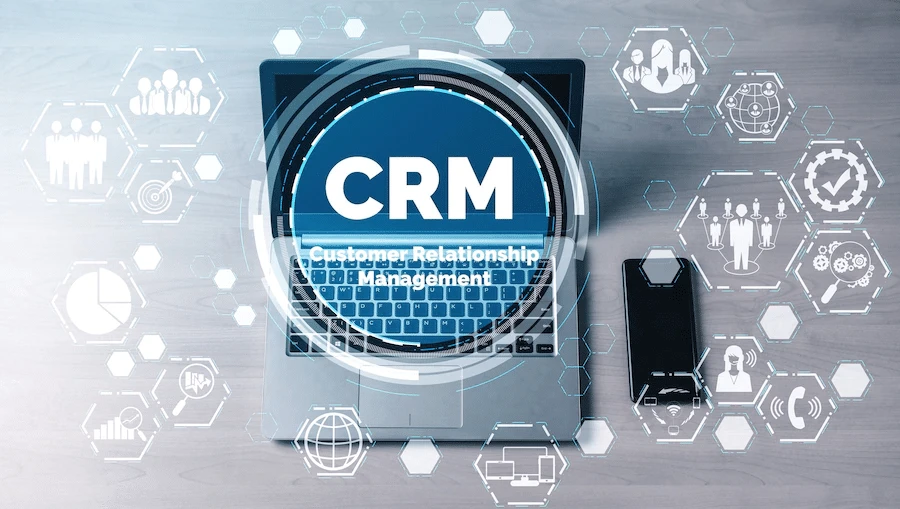

CRM software is the largest software market worldwide. It is because companies compete to win customers.
These are five types of CRM software that you should know and how to choose the one that best suits your business.
According to Gartner, the market for CRM software now accounts for 25% of global enterprise software revenue. It was $193.6 billion in 2018.
Research also suggests that customer relationship management value will continue growing, even through 2025.
It is evident when considering how crucial information has become in this digital age. All companies strive to make the most of their information about customers and prospects. This goal is achieved by custom CRM solutions, leading to better customer service and higher profits.
For those just getting started with CRM tools, I will start by covering the basics. You can skip these sections to learn about the different types of CRM software available and see some examples.
What is CRM software?
Customer Relation Management (CRM) software is a tool that you can use for managing and storing customer data. CRM can manage contact information, purchase history, and open enquires.
Custom CRM software is the best way to go if you have clients or users, no matter your industry or size. CRM software has many benefits, including better customer service, better insights into customers and prospects, better lead management, and more closed deals. It is what you would want.
This solution has many benefits. You can find the right tool for your company based on its size and investment budget.
Make the most of the information you gather about your prospects and customers.
Who is CRM for?
Everybody involved in sales, customer service, and business development can use a CRM system to manage their external relationships better.
CRM tools allow you to store contact information of prospects and customers, track service issues and manage marketing campaigns. You can also make all customer interactions available to any employee within your company.
It's easier to collaborate with others and increase productivity when you have easy access to the data. Everybody in your company can see who customers have communicated with, how they bought it, when they last bought it, what they paid and many other details.
Companies of all sizes can use CRM to drive business growth. It can also benefit small businesses, which often need to find new ways to do more with less.
You need to be familiar with the different types of CRM software.
This article does not cover custom CRM development services. It is creating your very own tool. Instead, I will cover all types of CRM so that you are aware of what is possible.
There are five types of CRM software.
Operational - This type lets you better manage your company based on customer data.Analytical - This type of CRM allows data visualization. It gives you greater insight into your customers and their interactions with your company.Collaborative - Here, the emphasis is on how you can interact and share customer data with your distributors and vendors.Campaign Management - A combination of operational and analytical CRMs used to manage sales or marketing campaigns based on the information in the system.Strategic - This type places customers first and allows you to use market trends and customer information to make better business decisions.Here are the five types of CRM software
Operational CRMs
Operational CRMs allow your sales, marketing, and customer service departments to serve your customers better.
It allows you to organize information about your contacts and establish standard procedures. This tool can also use for automation.
Marketing automationSales automationService automationIt allows different departments to work together in securing, nurturing, and closing deals for your business.
Integration with tools such as MailChimp and Outreach can allow leads from different marketing channels to be uploaded automatically to the CRM. These tags can use to assign them to the appropriate stages of your sales cycle, and then they can be further investigated by the sales team.
Your company's efficiency will improve if all information is available in one place. There's also less chance of miscommunication or "losing" deals.
Analytical CRMs
This information can include customer preferences and channels, contact points, interests, etc.
Data mining components can then gather additional information, including trends, and help recognize patterns in data sets based on contact data.
Collaborative CRMs
While most operational CRMs focus on sales and marketing, this CRM focuses on customer service.
Collaborative CRMs allow better information exchange between sales, marketing, and support departments. It is much easier to manage customer relationships in collaborative CRMs.
CRMs for Campaign Management
They combine the features that allow for the use of customer data and insights to create marketing or sales campaigns.
However, it is important to differentiate this type of CRM solution if you primarily use contact information to plan and manage better campaigns.
It is what I have mentioned in the section on operational CRMs.
This example shows that the action can reverse. The CRM is used to create a campaign, and then it is distributed via email integration software.
Strategic CRMs
Strategic CRM is often included in the definition of collaborative CRMs. It focuses on customers. This example shows how collecting customer information and their interactions with your business can help improve their relationship.
Strategic CRMs are this type. This CRM gives you insight and adjusts or customizes how you interact with customers over time. It is a great solution if your business focuses on long-term relationships and not short-term sales.
How do you choose the right CRM for your business?
You can see that some types of CRMs are available in the same tools like Salesforce, Hubspot, and Zoho. These examples show you which CRM type is best for your needs.
Describe your business goals if you are having trouble choosing a CRM.
Are you looking to automate sales and marketing?Are you searching for ways to analyze your customers?What would you like to see in your company?Are you able to build long-lasting relationships with customers?These questions will help you determine the features that your custom CRM should include.
You can also invest in custom CRM development services. Your CRM is completely customized to your business goals and needs.
Consider how you want to manage your prospects and customers. Next, analyze out-of-the-box solutions to see if these meet your needs.
0
0









Sign in to leave a comment.